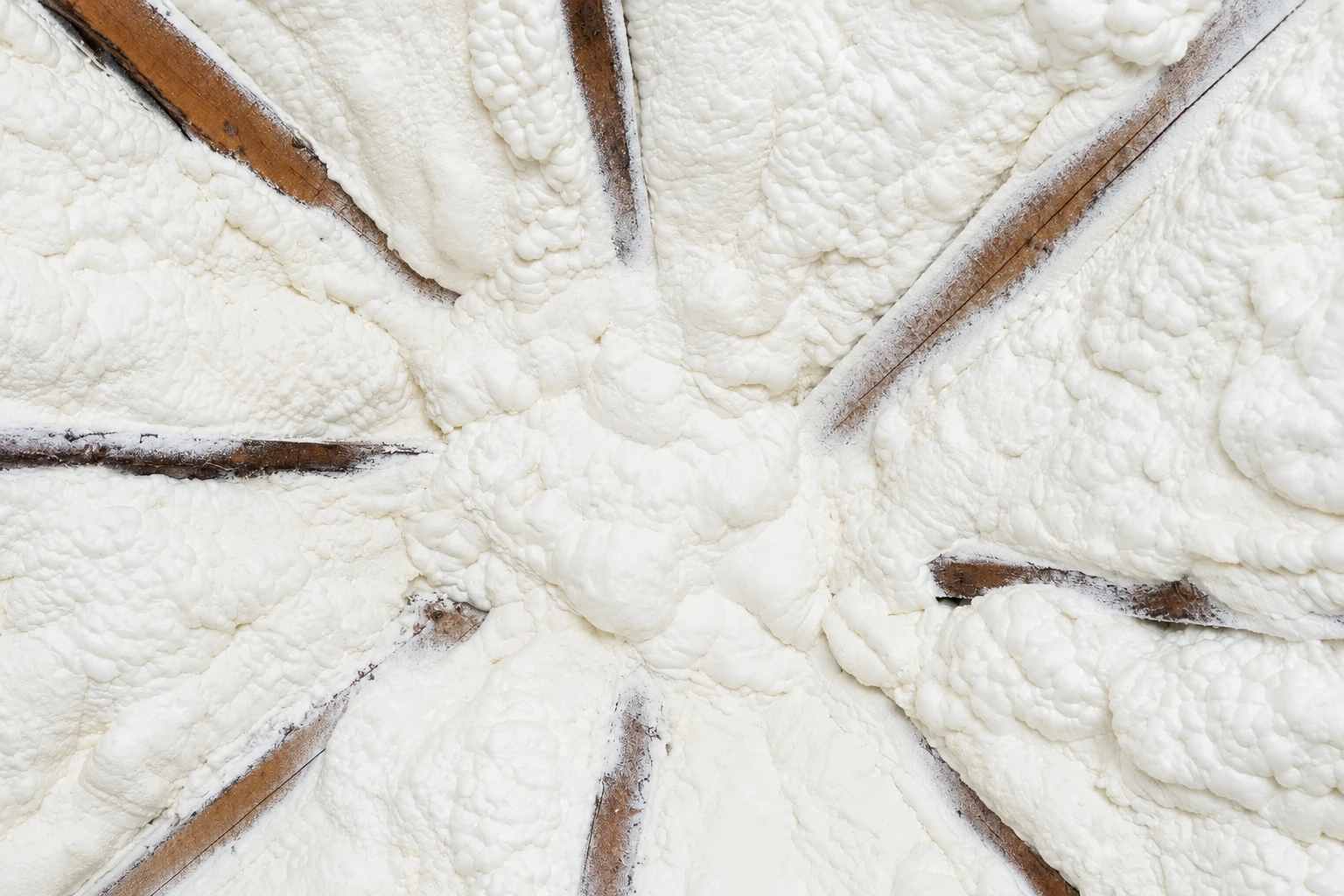
Drafty rooms and cold floors
If you feel air near outlets, baseboards or the attic hatch, the house is pulling air through gaps, and sealing them does more for that draft than adding insulation would.
Drafty rooms or a hot upstairs usually mean air is slipping through gaps. We find them, check the attic first, and seal them.
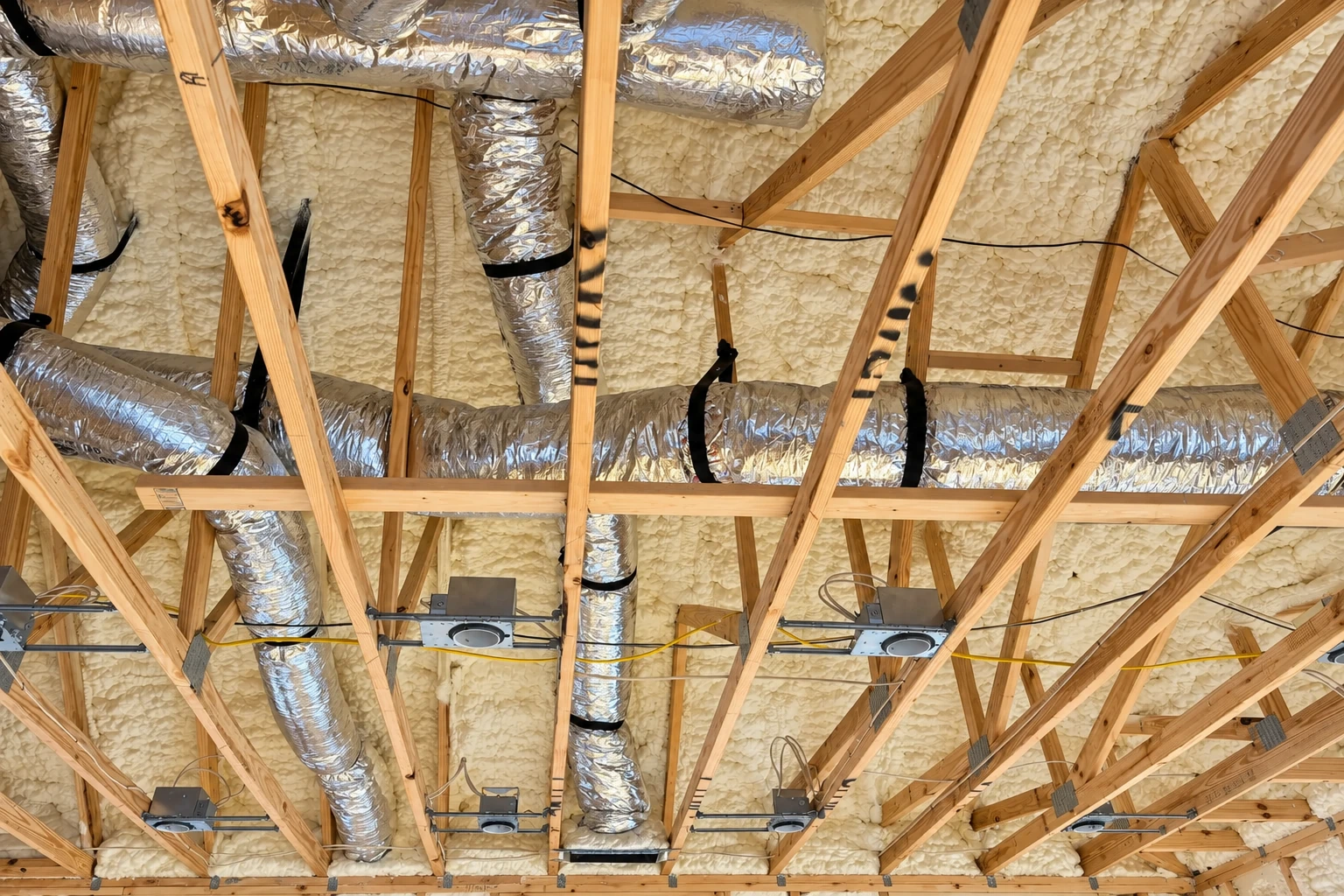
Air sealing in Pico Rivera means closing the cracks, holes and gaps that let air move in and out of your house, using caulk, one-part spray foam or rigid blocking, so rooms stop feeling drafty and your insulation can do its job.
Most people call us because a room feels drafty, the floors stay cold, or the room over the garage cooks in summer while the power bill keeps climbing. Insulation slows heat, but it doesn't necessarily stop air moving through gaps, so sealing is a separate job that usually comes first. Many houses around here are older, and their attics hide decades of holes cut for wires, pipes and lights.
The price mostly turns on how big the attic is, how easy it is to get into and how much old insulation sits on top of the leaks, since it has to be pulled back or hauled out if it's soaked or full of droppings. The schedule turns on what the attic check finds, because a roof leak or old wiring should be fixed before we seal anything. Your written estimate, with photos of what I found, gives you the figure for your house.
I show you what's in your attic and explain it in plain words before I quote anything, so you can make a good choice now and spot a bad one later.
Before starting this business in Pico Rivera in 2020, I spent years crawling attics and under houses for a property manager, which is where I learned how leaks, roofs and wiring affect each other.
I spent years working in homes where people were living, so our installers protect your floors, keep the mess near the attic hatch and clean up before they leave.
Some leaks you can seal yourself, and I'm glad to point those out on the estimate visit. The hidden ones under old attic insulation are where we come in, and before anyone seals anything I check the attic for live knob and tube wiring, the old style strung on porcelain knobs, plus vermiculite fill, roof leaks and bathroom fans blowing into the attic instead of outside. Old wiring and roof leaks get fixed first, because sealing over them only hides the problem.
Then our installers pull back the old insulation where the leaks are and seal around can lights, pipes, wires and the attic hatch with caulk, one-part spray foam or rigid blocking, depending on the size of the gap. We keep the vents under the eaves, the ridge and gable vents and any ducts that feed air to a gas furnace or water heater clear, because those openings are there on purpose and the attic has to breathe. After that the insulation goes back level, with full depth out at the edges and not just piled in the middle.
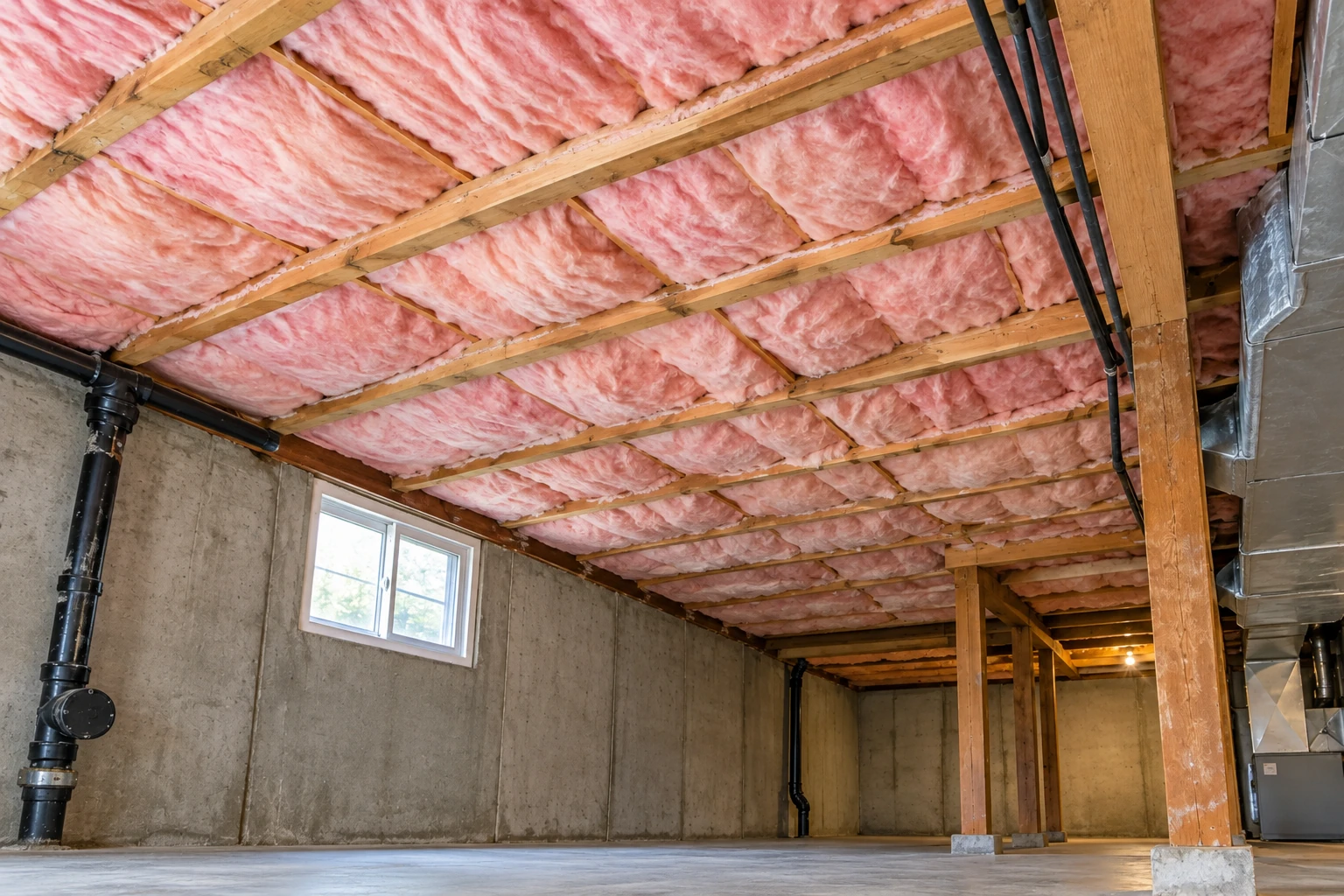
If your ducts run through the attic, closed-cell foam insulation, a dense foam that blocks air and moisture, can earn its higher price because it seals and insulates in one pass. Otherwise, sealing the gaps and topping up loose fill usually gets you more for your money, and that's what I'll steer you toward. Houses with a basement leak along the top of the foundation walls too, and we take care of that with basement insulation.
If you feel air near outlets, baseboards or the attic hatch, the house is pulling air through gaps, and sealing them does more for that draft than adding insulation would.
Gaps around lights, pipes and the hatch are easiest to reach before fresh insulation covers them, and sealing first keeps the new insulation from fighting a draft for years.
Rooms over a garage and upstairs bedrooms often pick up air through gaps in the ceiling and floor framing, which is a big reason they run hotter than the rest of the house.
Landlords and property managers call us when a unit sits empty, because the attic is easy to reach and a problem found now costs less than one that gets covered up.
Send the form and we'll get back to you within one business day to set a visit. I come out, look at the attic and leave you a written estimate with photos, with no obligation.
Your estimate comes with photos from the attic, so you can see the gaps, the old insulation and anything that needs fixing first, instead of just taking my word for it.
I write the estimate and our installers do the work, then I walk through it with you before we call it done, so the person who quoted the job checks it.
We're fully licensed and insured. Satisfaction guaranteed, and if anything about the job doesn't make sense to you, ask and I'll explain it in plain words.
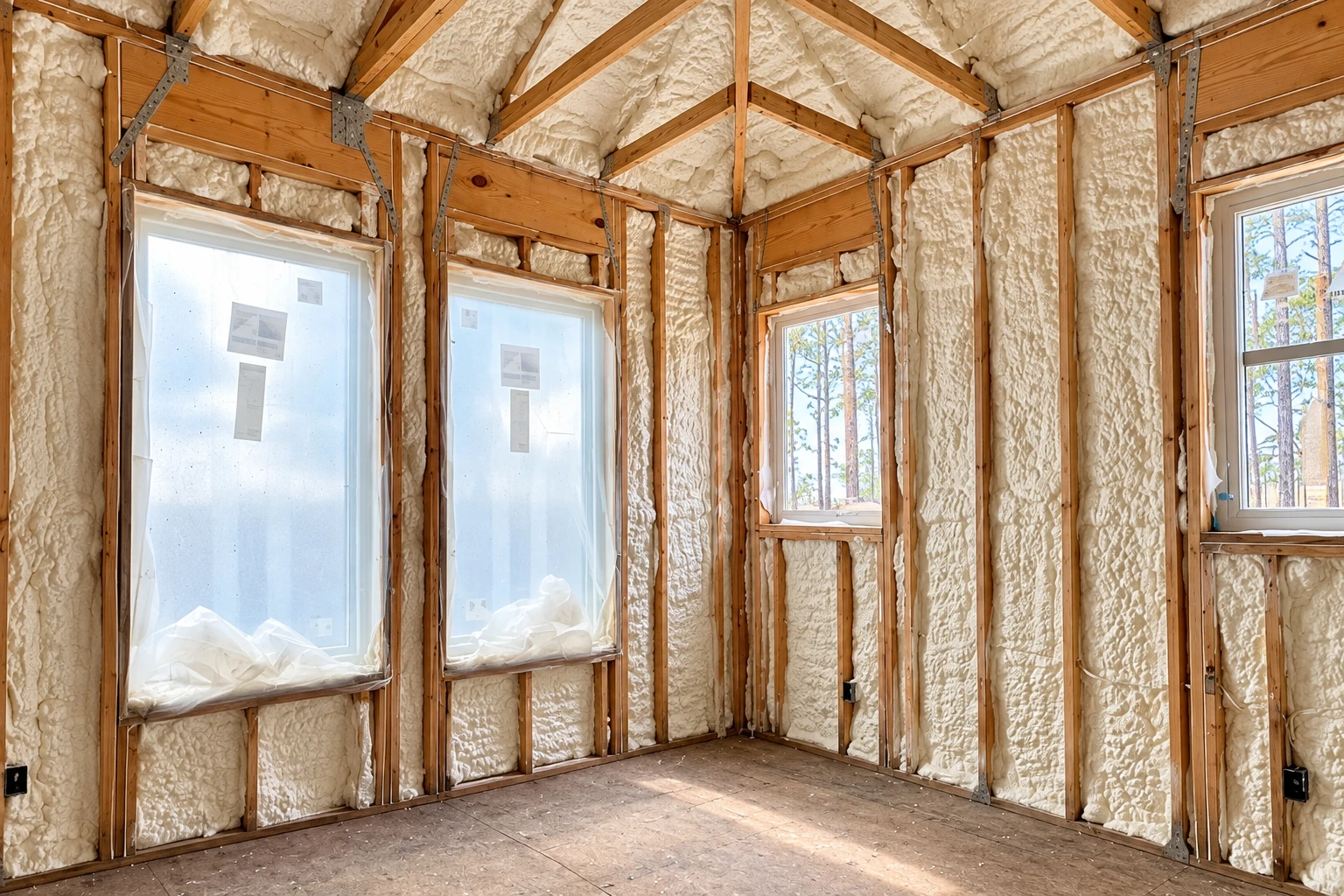
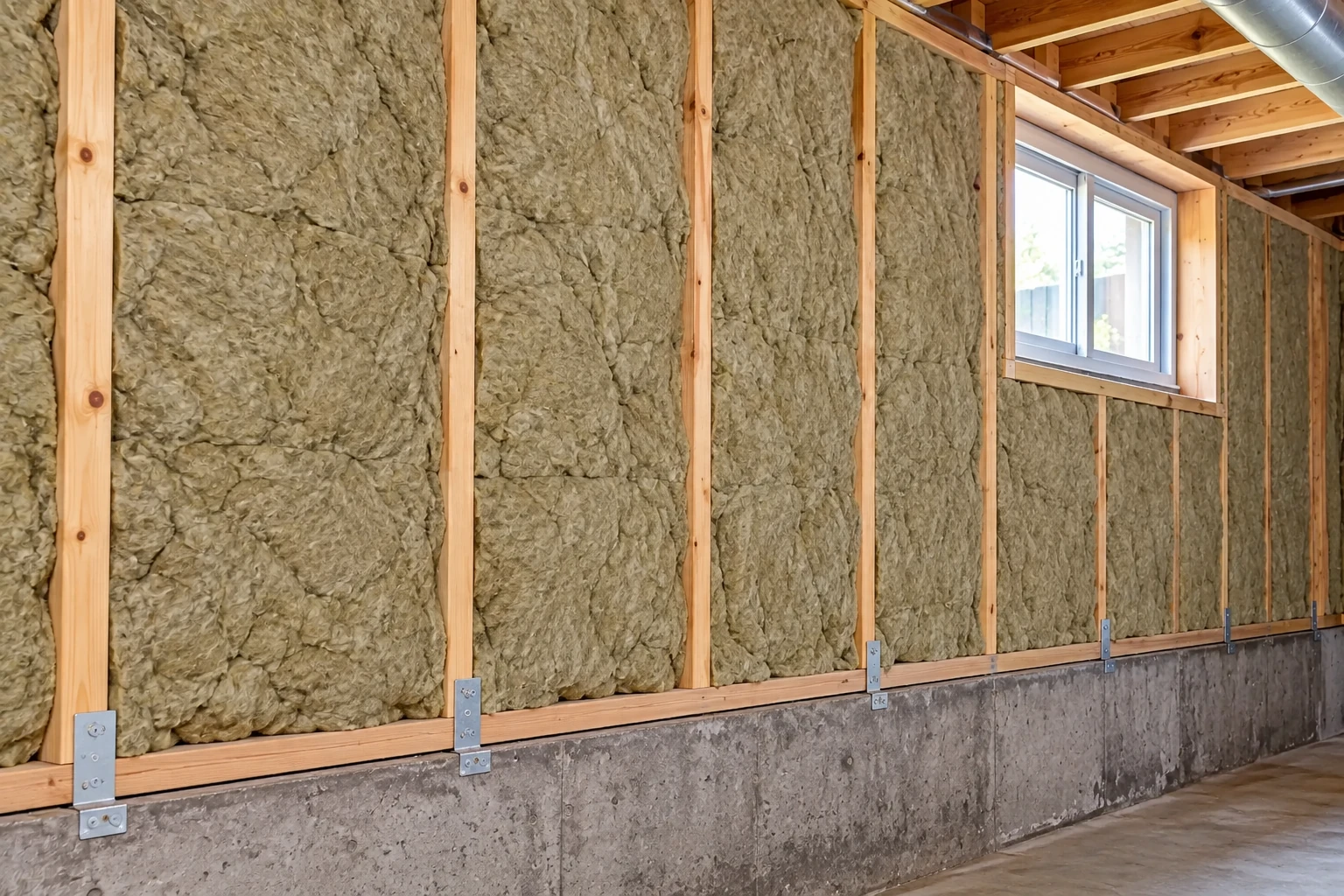
These photos show the kinds of gaps, sealants and attic layouts we can talk through, from can lights and pipe openings to hatch covers.
These are the questions Pico Rivera homeowners ask most about sealing air leaks, from doing it yourself to permits, safety and cost.
Yes, for the obvious ones. Caulk and foam work well around door frames and where pipes, vents and wires come through walls. What doesn't work as a weekend job is the small leaks hidden under old attic insulation, because they're hard to find and you can't seal what you can't see, so that's the part we handle.
In the Los Angeles area, an insulation project that includes air sealing usually costs about $1,200 to $5,800 per job. That's the going range for that kind of project, not our price. Where yours lands depends on what's in your attic, which is why I look before I quote. We work in Pico Rivera and many of the cities around it.
Air sealing isn't named on the city's permit list, but HVAC and electrical work are, so it's worth checking before work starts. The city's Building Division takes permit applications and enforces the building rules for homes. We check with the office that covers your address, city or county, and if your job calls for a permit, we handle the paperwork and inspections.
Yes, as long as the gas appliances get checked as the house gets tighter. National building guidance calls for a combustion safety test, a check that gas appliances still send their exhaust outside, at the end of each workday while sealing is underway, and any backdrafting has to be fixed before testing goes on. Tell me about gas fireplaces too.
It can pull in some dirt and pollen and lift loose vinyl flooring, so a little prep helps. The test lowers the air pressure inside so a smoke candle can show leaks around doors, windows, baseboards and outlets. It's been known to lift vinyl that isn't glued down, so point out any loose vinyl before testing begins.
Some residents can get air sealing at no cost. Qualifying Pico Rivera residents can receive no-cost home energy upgrades through the Equitable Building Decarbonization Program, and depending on what the home needs, those could include weatherization and air sealing. It's worth finding out whether you qualify before you plan the work on your own.
Notes on attic access, roof leaks, bathroom fans and gas fireplaces help me plan the visit, so call (562) 271-1051 or send the form.