
Spray foam insulation
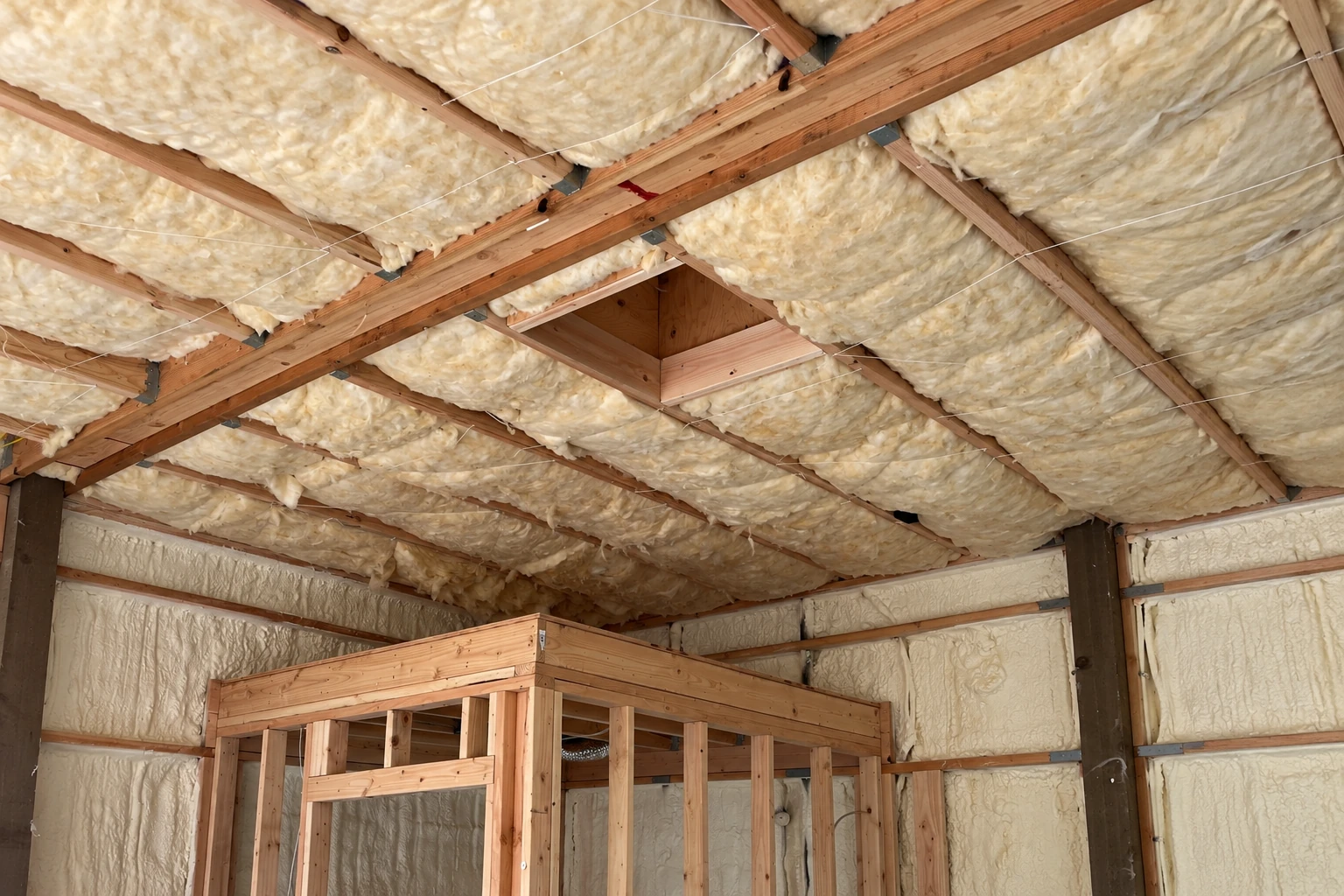
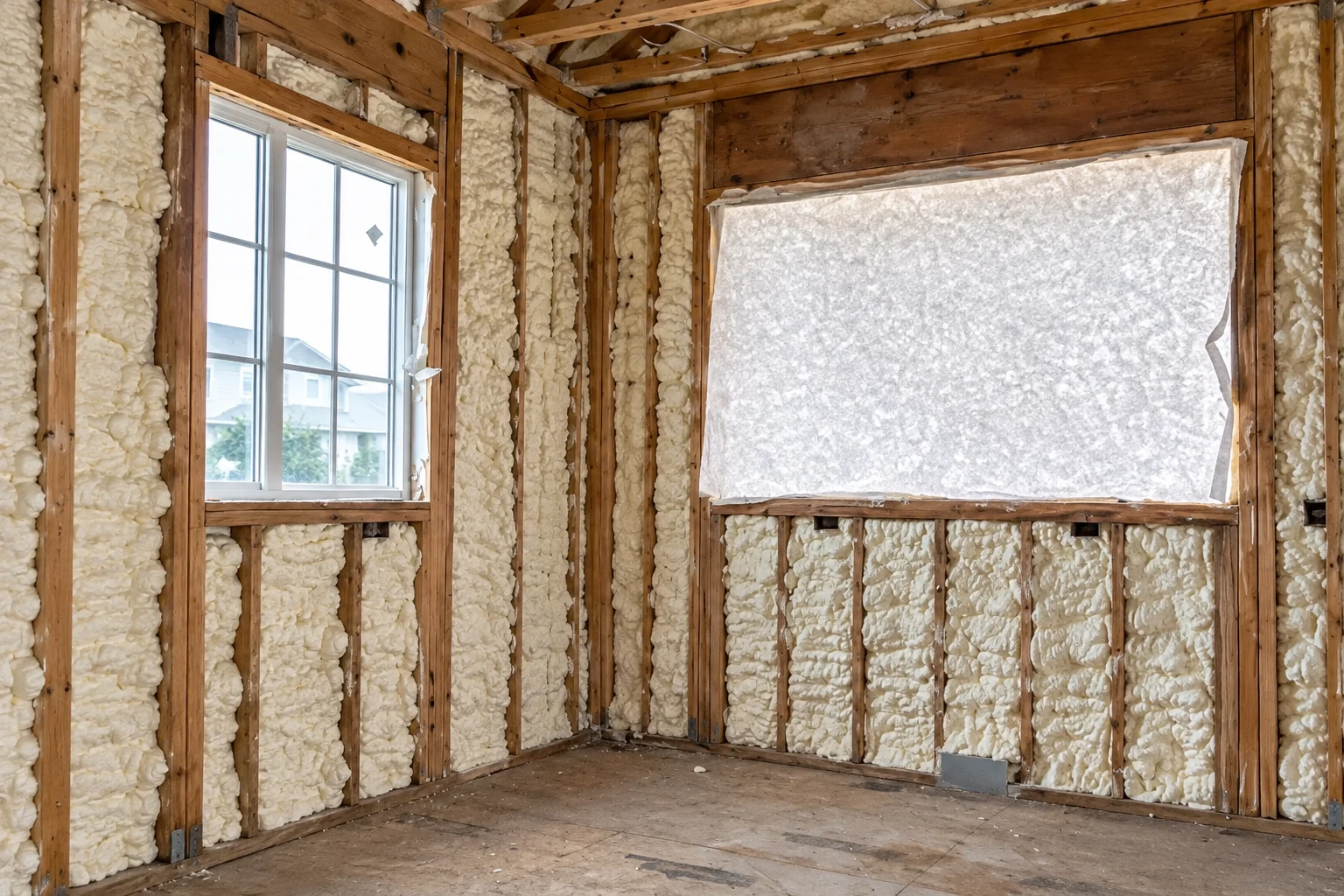
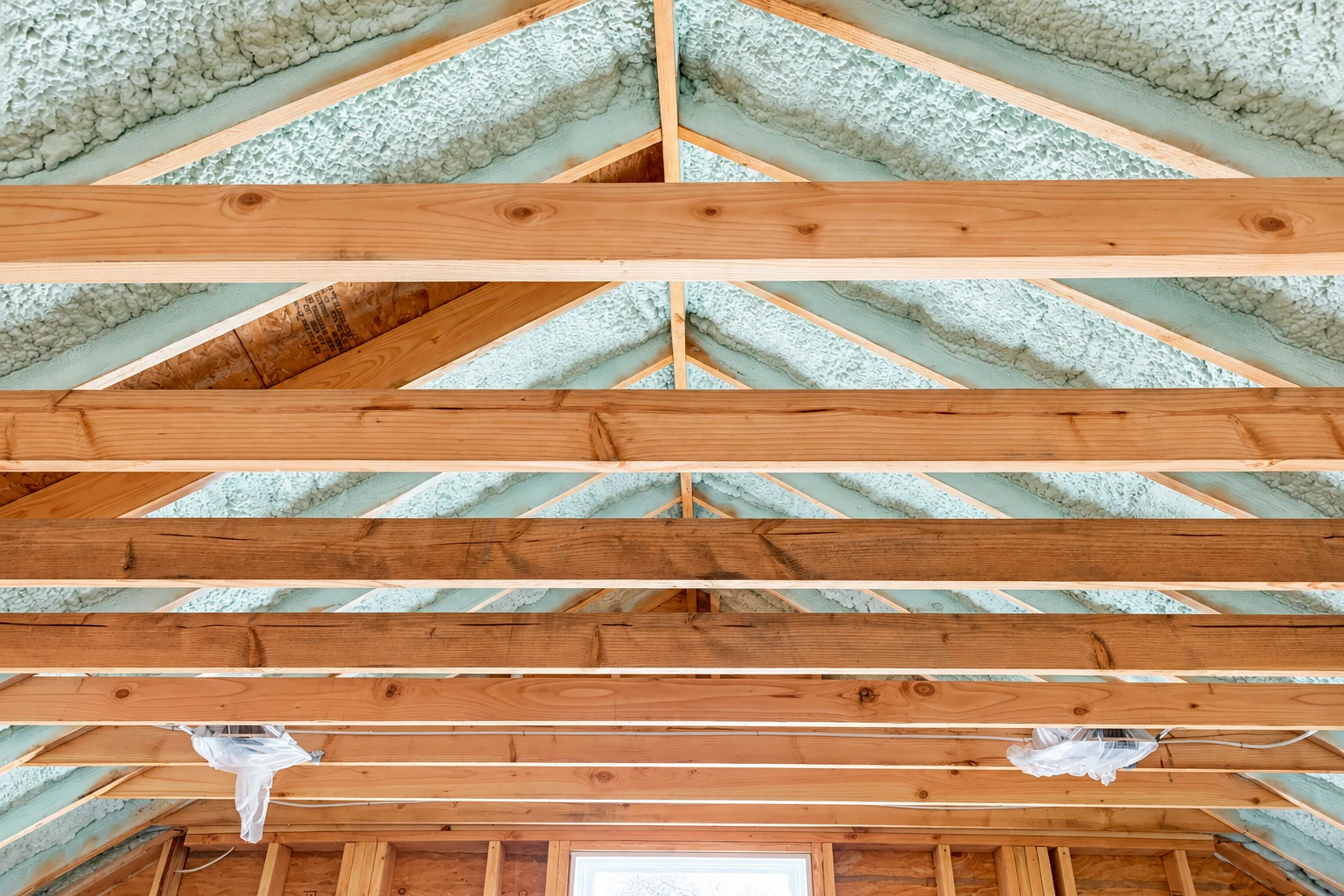
Foam seals air while it insulates, and it costs more for that. In houses here with ducts in the attic, it's often worth it. Everyone stays out until the foam maker's re-entry time has passed.
B&J Pico Rivera Insulation Company insulates attics, walls and crawl spaces in Pico Rivera, CA. We seal drafts, pull out old material that's gone bad, and explain what's up there in plain words.
I started this business in Pico Rivera in 2020, after years of crawling through attics and under houses between tenants for a property management company. A lot of the homes we open up here are single-story, and many have the ductwork running through the attic. Foam costs more and seals air while it insulates. Sealing the gaps and topping up loose fill usually wins, unless the ducts live up there, so I look before I recommend either one.
Your price comes down to how many inches are already up there and in what shape, how many gaps need sealing, and whether old material has to come out first because it's soaked or full of droppings. The schedule mostly turns on removal, on any roof leak or old wiring that should be fixed before we cover it, and on whether the city wants a permit. Your written estimate comes with photos of what I found, so you can see the reason behind each line.
We do the same work in Downey, Montebello and Whittier, and the attics there raise a lot of the same questions.
The city's Building Division oversees construction on houses here. Before work starts, we check what your job needs, and if it calls for a permit we handle the paperwork and inspections.
If I find a roof leak or old wiring, I'll tell you to fix it before we insulate, because fresh insulation hides the problem and makes it harder to find later.
We keep insulation deep out to the eaves and clear of the eave vents, so the edges aren't left thin and the attic keeps breathing instead of holding moisture in the framing.
Foam seals air while it insulates, and it costs more for that. In houses here with ducts in the attic, it's often worth it. Everyone stays out until the foam maker's re-entry time has passed.
Most calls start with a hot bedroom or a high power bill, and the attic is usually why. I measure how many inches are already up there and check the hatch, can lights and eave vents.
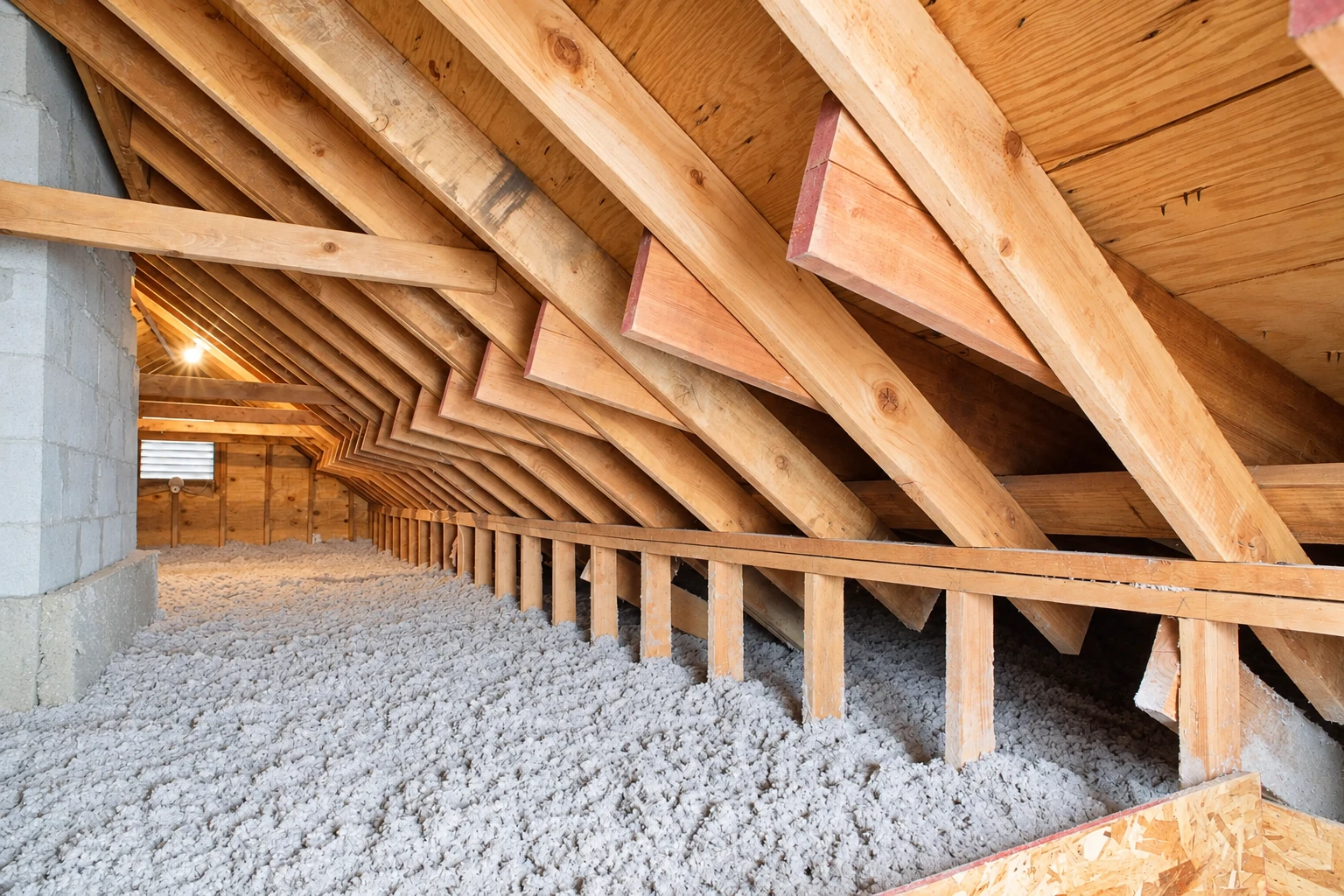
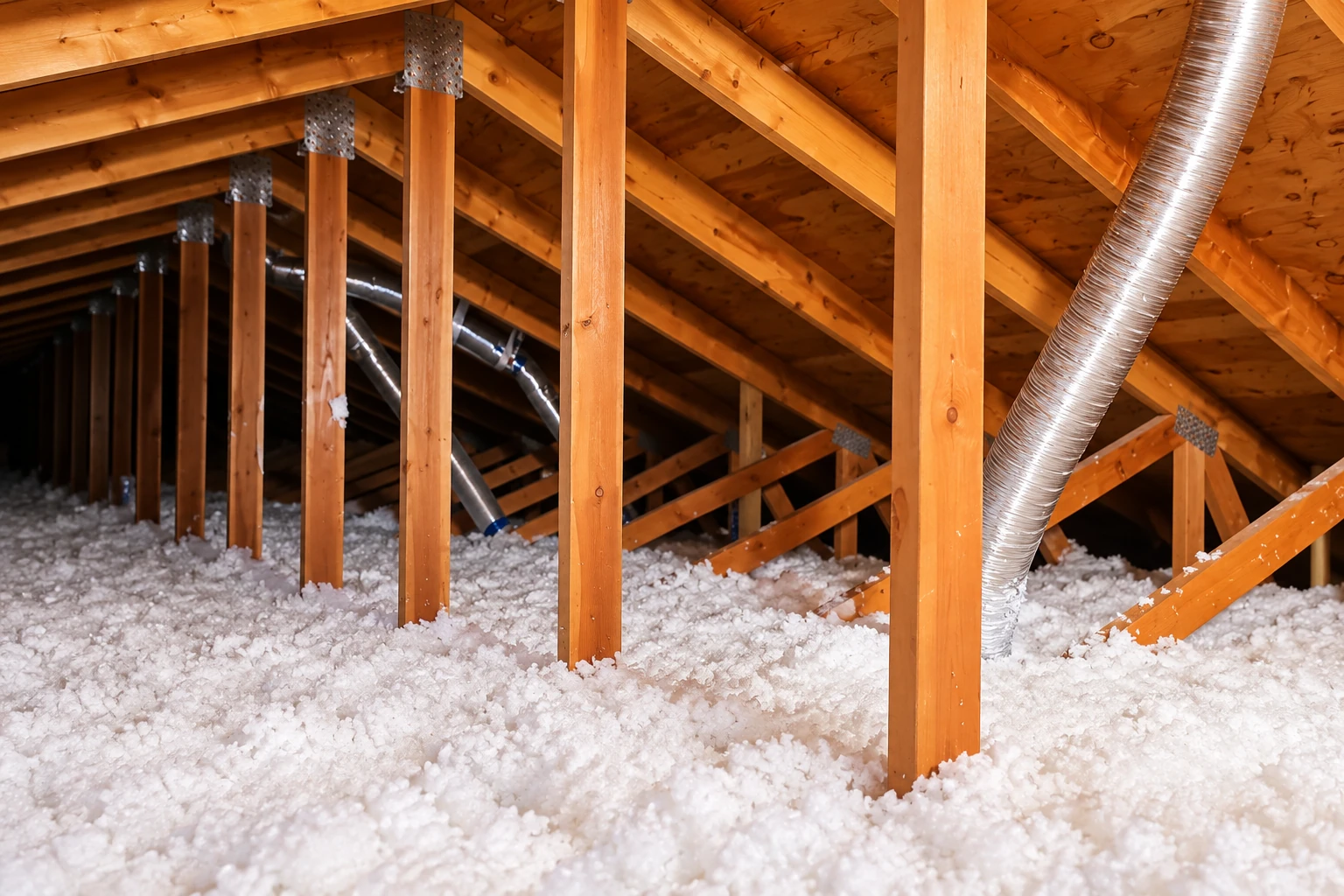
Blown-in is loose fill blown through a hose, and it's the easiest way to top up an older attic. We spread it evenly out to the edges instead of piling it deep in the middle.
When several rooms feel drafty or the room over the garage never gets comfortable, we look at the whole house, attic, walls and floors, and tell you which part to fix first.
If the old insulation is soaked or full of droppings, it comes out before anything new goes in. Laying fresh material on top just keeps the problem up in your attic.
Cold floors in a raised-floor house usually trace back to the crawl space. We check for damp spots, pipes and gaps first, then insulate between the floor joists so it stays in place.
Walls in older houses are often empty or close to it. We fill them through small holes from inside or outside and patch them, so you don't have to open up whole walls.
Air sealing means closing the gaps before insulating, around pipes, wires, can lights and the attic hatch. Skip it and new insulation spends its life fighting a draft.
Not many houses here have a basement, but when yours does, or has a below-grade room, we look for moisture first and then pick a material that won't trap it against the walls.
Closed-cell foam is dense foam that also blocks moisture. We use it where a wall or floor sits close to damp ground, or where you need the most insulation in a thin space.
Open-cell foam is softer and costs less than closed-cell. It fills odd rooflines and wall cavities well and quiets sound between rooms, though it won't stop moisture.
We insulate shops, offices and rental buildings too. Property managers call us between tenants, and we plan the work around move-out dates so units aren't held up waiting on us.
A crawl space vapor barrier is plastic sheeting laid over the dirt so ground moisture stays out of the framing and insulation. We overlap the seams, seal them and run it up the walls.
A vapor barrier has to go on the right side of the insulation. Put on the wrong side, it traps water inside the wall or ceiling, so we check how yours is built first.
Before new insulation goes up, we seal the attic floor around can lights, plumbing stacks, wiring holes and the hatch, so air from the rooms below stops leaking up into the attic.
Retrofit work adds insulation to a house that's already built and lived in. We lay down covers along the path to the hatch and clean up each day before we leave.
Send the form and we'll reply within one business day to set a time. I come out, look at the job and leave you a written estimate with photos, free and with no obligation.
The photos show how many inches are up there, any wet or dirty spots and the open gaps, so you can judge the estimate yourself and spot a bad one later.
Once you say yes, our installers handle the job, and I go over the finished work with you before we call it done. Fully licensed and insured, and satisfaction guaranteed.
If you own or manage rentals in Pico Rivera, we can look between tenants and give you the photos for your records, so a problem doesn't get covered up and forgotten.
These are the questions Pico Rivera homeowners ask most before insulation work, about permits, timing around other projects and whether you can stay home.
Insulation isn't on the city's list of work that needs review before a permit, so we check with the Building Division for your job before we start. Work around it can change that. The city's permit FAQ says new outlets and rewiring almost always need a permit, and so does installing or changing HVAC, so moving ducts or fixing old wiring counts.
After, in most cases, so new insulation isn't soaked, stepped on or pulled up to reach ducts. Pico Rivera sends re-roofing and HVAC work through zoning review, plan check or both before it issues a permit, so plan for that. Once issued, a building permit expires after a year if work hasn't started or isn't moving.
For blown-in fill or batts in the attic, usually not, because the work stays up there and we cover the path to the hatch. Spray foam is different. You, the kids and the pets stay out until the re-entry time, the wait the foam maker sets before you come back, and I'll give you that with the estimate.
These are the cities with their own page on our site, and we work in others too. If your address isn't listed, call or send the form and ask.
We answer seven days a week, 7 AM to 11 PM, so you can call (562) 271-1051 after work or send the form tonight.