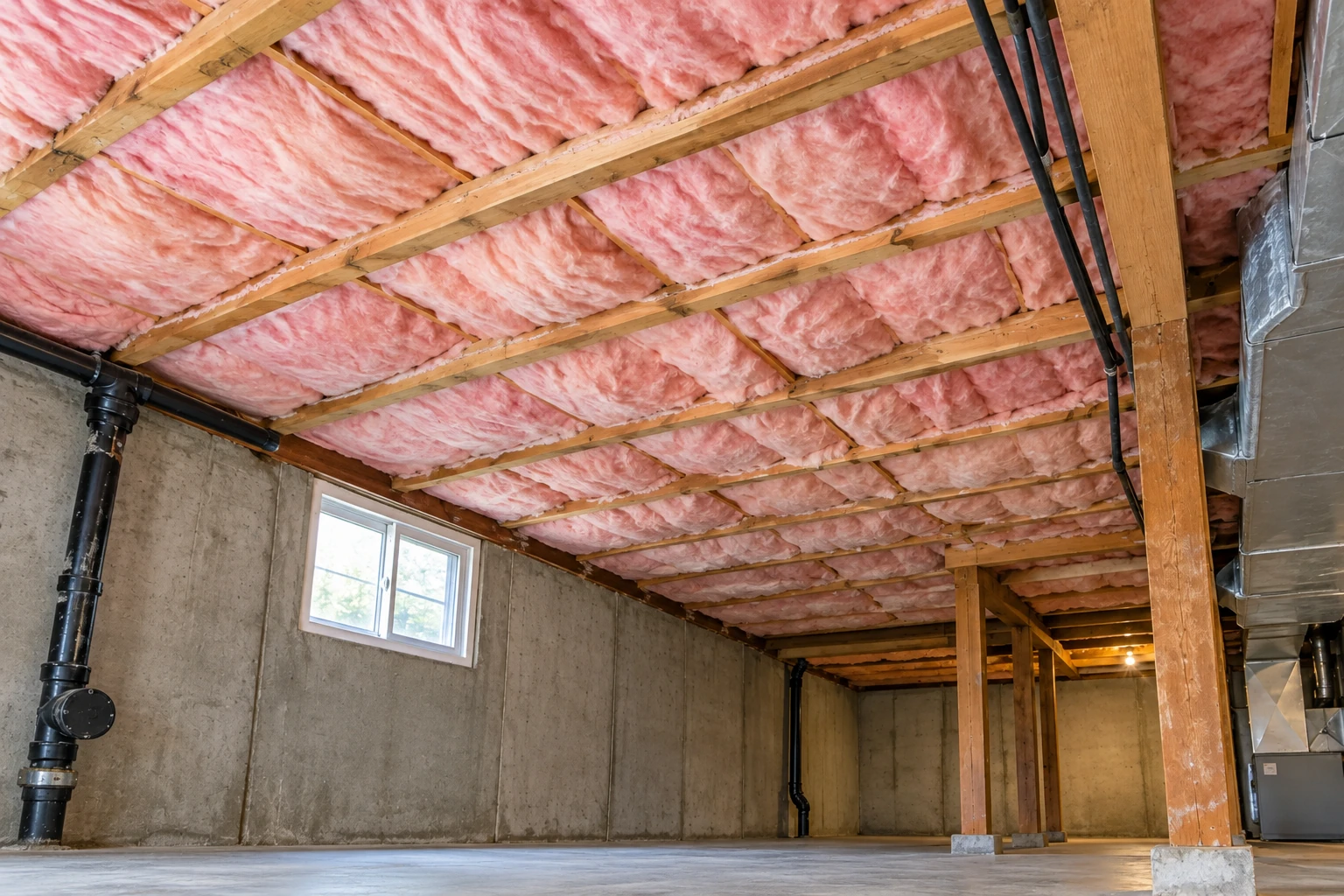
Spray foam insulation
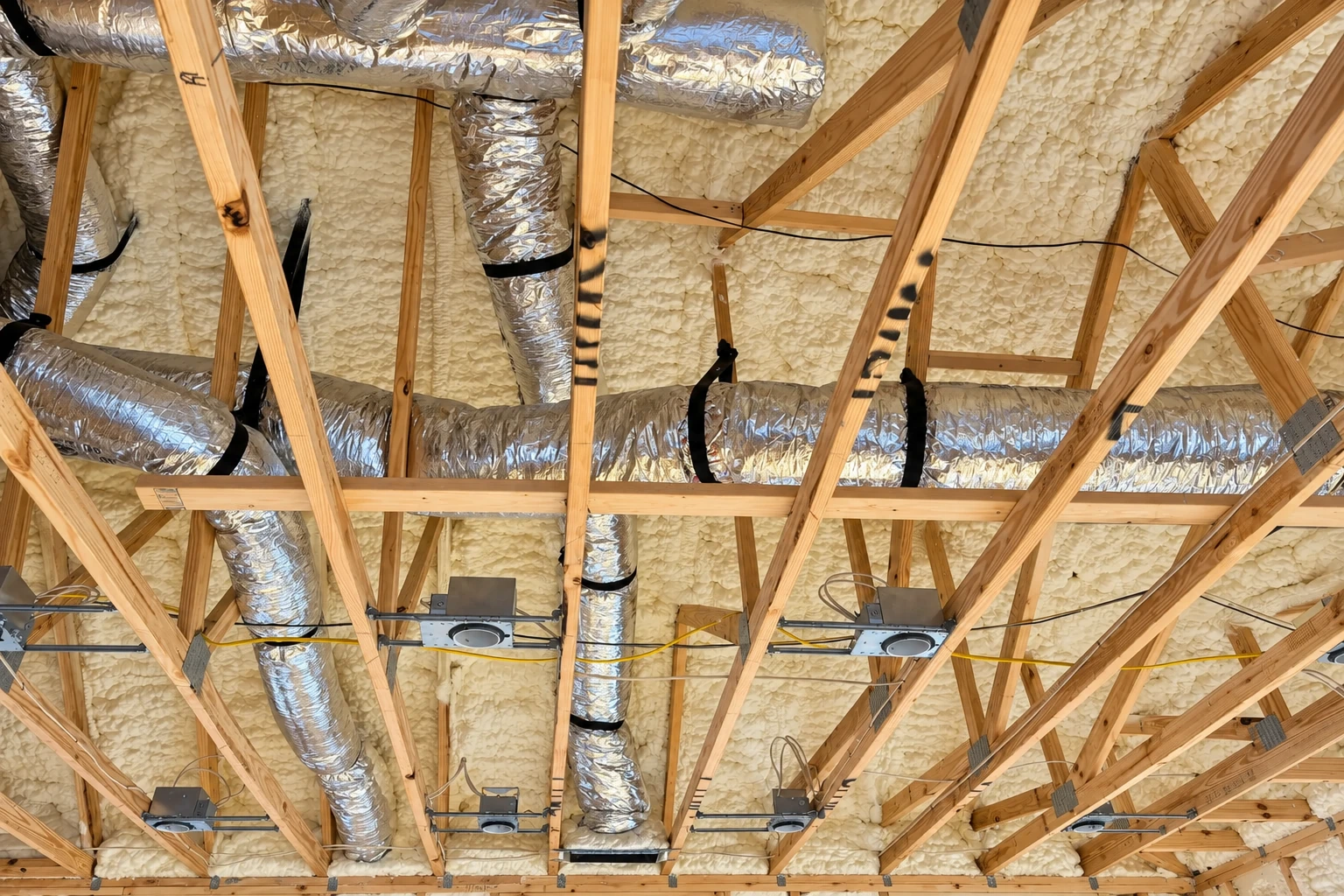
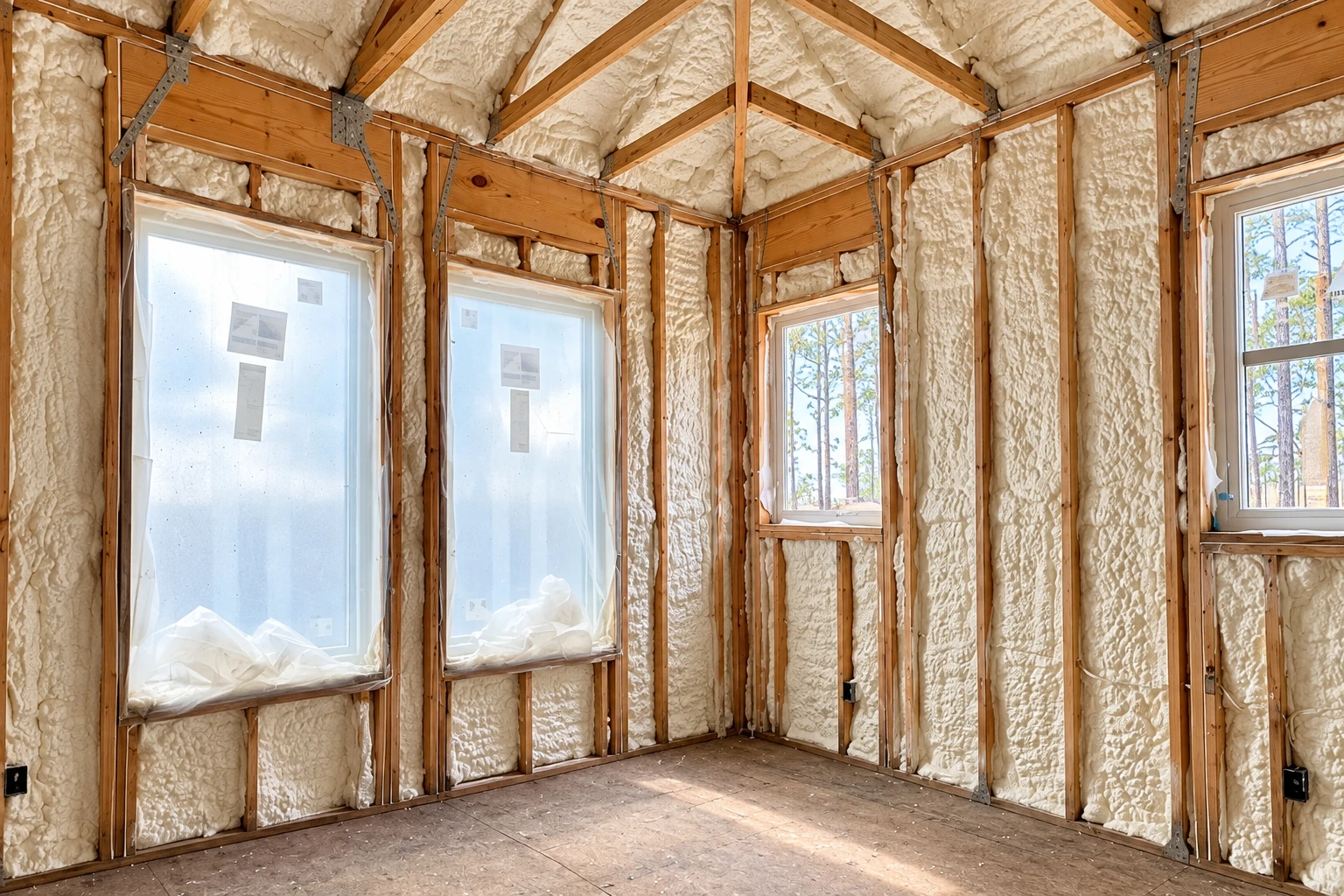
Spray foam fills and seals in one pass, so it works on sloped ceilings and the room over the garage, where loose fill won't stay put. It costs more, so I'll tell you when it's worth it.
B&J Pico Rivera Insulation Company is an insulation contractor based in Pico Rivera. We insulate attics, walls and crawl spaces in East Los Angeles, and we seal the air gaps before any new insulation goes in.
East Los Angeles isn't its own city. It's one of the unincorporated areas of Los Angeles County, so the building office for your house is LA County Public Works, not a city hall, and that's who we deal with when a job needs a permit.
A lot of the houses we see here are older, and the attic usually shows it. We tend to find a few inches of flattened insulation, open gaps around the hatch and the can lights, and sometimes old wiring or a roof stain that needs attention before anything new goes in. The other common calls are cold floors over a crawl space and a hot room over the garage.
The price moves with how much old material has to come out, how many gaps need sealing, how hard the attic is to move around in, and whether loose fill or foam suits your house. The schedule turns on those same things, plus any permit the county asks for. Once I've been up there, the written estimate and photos give you the numbers for your own house. We work the same way next door in Montebello, out in El Monte, and at home in Pico Rivera, where we're based.
I go up into the attic and photograph what's there, so you see how many inches you already have and what shape they're in before you decide anything.
If I find a roof leak or old wiring, I'll tell you to fix that before we insulate, because new material over a problem only hides it until it gets worse.
Foam costs more and seals air while it insulates. Sealing the gaps and topping up loose fill usually wins, unless your ductwork runs through the attic.
Spray foam fills and seals in one pass, so it works on sloped ceilings and the room over the garage, where loose fill won't stay put. It costs more, so I'll tell you when it's worth it.
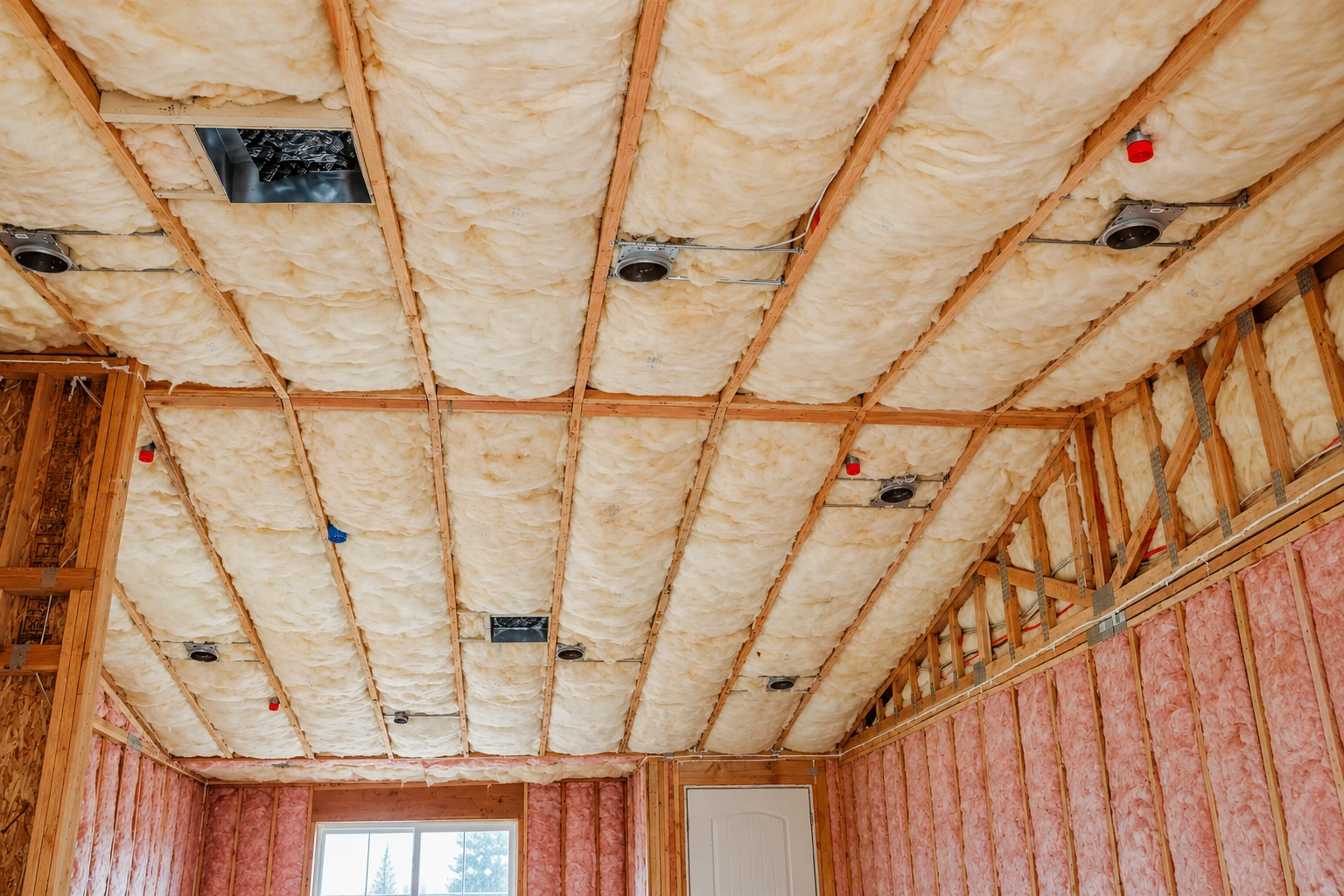
Many older attics here have a few inches of tired insulation that runs thin at the edges. We seal the gaps, keep the eave vents clear and bring the depth up evenly across the whole floor.
Blown-in insulation is loose fill blown through a hose, so it gets into the tight corners around joists and wiring. We make sure the edges get as much as the middle, since that's where heat slips through.
When the whole house feels drafty or the power bill keeps climbing, I look at the attic, walls and floors together and tell you which one to fix first, so your money goes where it helps.
If the old insulation got soaked from a roof leak or is full of droppings, we vacuum it out and clean the attic before anything new goes in, because covering it keeps the problem.
Cold floors usually trace back to the crawl space. We check for moisture and pests before we insulate under the floor, because insulation over a damp or chewed-up crawl space doesn't hold up.
Older houses often have walls that are empty or nearly so. We usually fill them through small holes and patch them afterward, so you get warmer rooms without opening up the drywall.
Air sealing means closing the gaps air slips through. Around the house we find them at outlets on outside walls, plumbing under sinks and the wall shared with the garage, and we seal them so drafts stop.
Basements aren't common in the houses we see here, but where there's one or a below-grade room, we insulate the walls with moisture in mind, since damp concrete ruins the wrong material.
Closed-cell foam is a dense foam that also blocks moisture, so it's the one we pick for a damp crawl space wall or a spot where water would soak into anything softer.
Open-cell foam is softer and lighter than closed-cell and usually costs less. It's a good fit for sealing and quieting a roofline or inside walls where moisture isn't the worry.
We insulate shops, offices and rental units too. Property managers call us because we work around tenants, keep the site clean and send photos of what's behind the drywall before it's closed up.
A vapor barrier is a sheet laid over the dirt in the crawl space to keep ground moisture out of your floor framing. We overlap and seal the seams so it does its job.
We also put vapor barriers in walls and ceilings where moisture could reach the framing, and we check which side each one belongs on first, because a barrier on the wrong side traps water.
Before we add anything in the attic, we seal around the can lights, pipes, hatch and the tops of walls, so the air from your rooms stops leaking up and the new insulation isn't fighting a draft.
Retrofit means adding insulation to a house that's already built and lived in. We plan around your furniture and family, protect the floors and clean up as we go, because you're living there.
Send the form and we'll get back to you within one business day to set a time. I come out, look over the job, and you get a written estimate with photos, free and with no obligation.
I look at the job and write the estimate. Our installers do the work, and I go over it with you before we call it done.
You see what I saw up there, including the depth, any wet or dirty spots and the gaps, so you can judge the quote and spot a bad one later.
I spent years working in homes where people were living, so our crew covers the floors, keeps the dust in the attic and cleans up before leaving. Satisfaction guaranteed.
Here are the questions East Los Angeles homeowners ask us most about permits, licenses and what happens on the day we insulate.
The county decides that, so we ask before we start. Its permit list names roofs, windows, and electrical, plumbing and mechanical work, but it doesn't name insulation by itself. We check your address with the county's East Los Angeles Building and Safety Office, and if your job calls for a permit, we handle the paperwork and the inspections.
The county wants the first inspection requested within 12 months of getting the permit. After that, an inspection every 6 months keeps the permit active. When we pull a permit for your insulation job, scheduling those inspections is part of the paperwork we handle, so you don't have to keep track of the dates.
Yes, for most jobs. The Contractors State License Board requires a license when a project needs a building permit, uses any extra workers, or comes to $1,000 or more in labor and materials, and the contractor has to hold that license before bidding. We're fully licensed and insured, and you can ask about it when I come out.
Usually not for blown-in insulation or air sealing, because the work stays up in the attic and you can stay home. Spray foam is different. Everyone, kids and pets included, leaves until the re-entry time, which is the wait the foam maker sets before people can come back inside. I'll tell you that wait before we book the job.
These are the cities with their own page on our site. If yours isn't listed, call or send the form with your address and I'll tell you if we cover it.
Call (562) 271-1051 or send the form, and you'll know what's in your attic before you spend anything on it.