
Attics where the ducts run
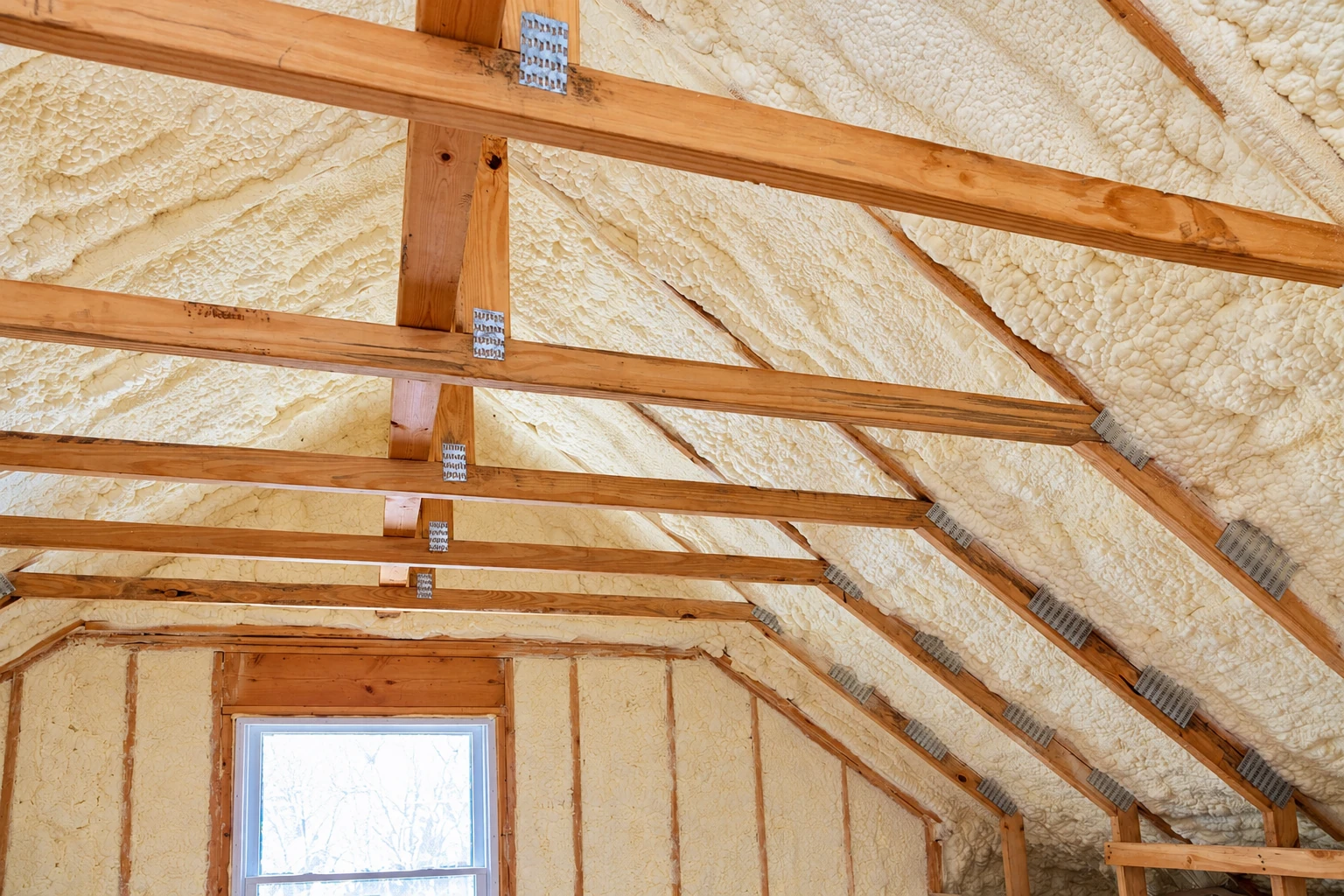
When your ductwork lives in the attic, foam on the underside of the roof brings the ducts inside the sealed space. That's where foam usually beats sealing gaps and adding loose fill.
Drafty room over the garage, damp crawl space or ducts cooking in the attic? We spray dense foam that blocks air and moisture vapor.
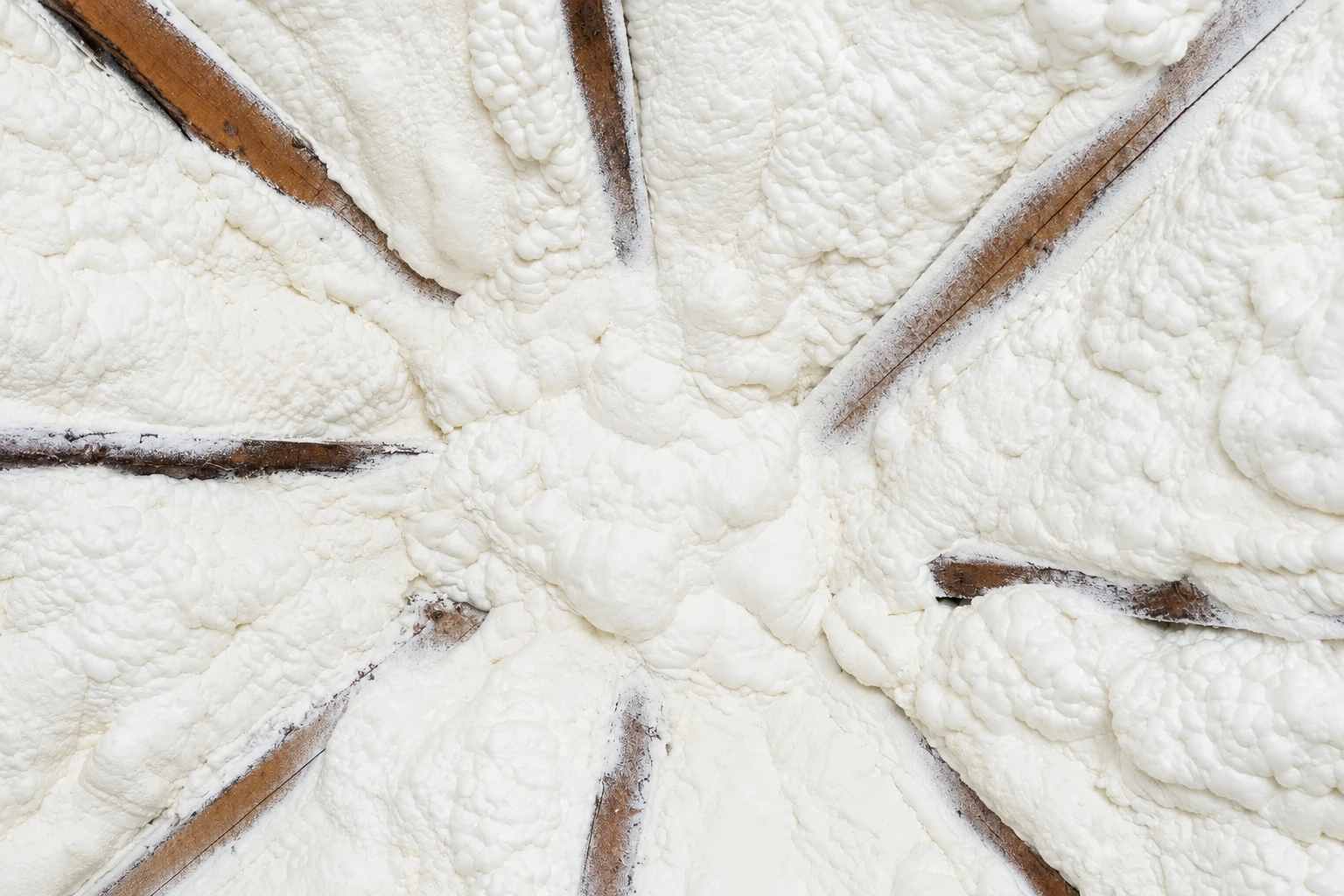
B&J Pico Rivera Insulation Company sprays closed-cell foam insulation in Pico Rivera homes and buildings. It's a dense foam that insulates, air-seals and holds back moisture in one layer on roof decks, crawl space walls and rim joists.
Most calls start with a room over the garage that won't cool down, cold floors over a damp crawl space, or ducts sitting in a hot attic. Closed-cell foam suits those spots because it's rigid, it seals air leaks while it insulates and it doesn't take on water.
The price turns on how many square feet we cover and how thick, how easy the space is to reach, and whether old insulation has to come out first. The schedule turns on that prep and on the time your household spends away while the foam goes in and cures, and your free estimate puts a figure on your own job. We're fully licensed and insured, and we sort out any permit with the building office before work starts.
If I find a roof leak or old wiring, I'll tell you to fix it first, because foam sprayed over a problem hides it and makes the repair harder later.
I spent years working in homes where people were living, so our crew covers floors and belongings on the way in and leaves your house clean on the way out.
Our installers do the spraying, and I go over the finished work with you before we call it done, so you know what's up there. Satisfaction guaranteed.
Closed-cell foam costs more than open-cell over the same area, so before I quote it I lay out what the extra money buys you, which is moisture control and a stronger layer. I'll also tell you plainly where open-cell foam insulation would be enough, or where sealing the gaps and topping up the loose fill already up there makes more sense than any foam.
Once foam is the right call, we get the space ready. Old insulation that's soaked or full of droppings comes out first, because spraying over it keeps the problem in your house. Our installers then spray an even layer all the way to the edges, where coverage tends to run thin, so the foam closes the gaps around pipes and framing as it builds.
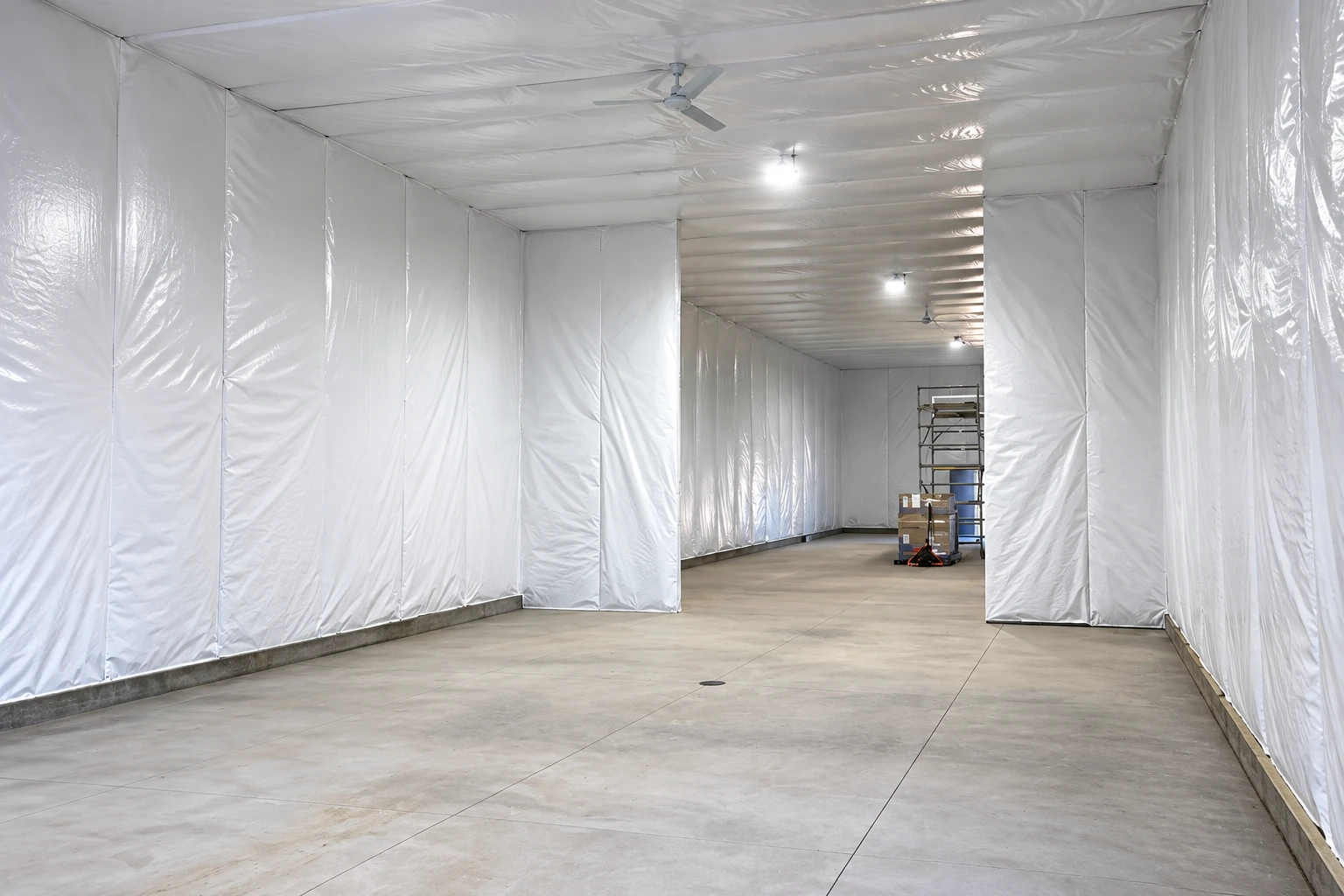
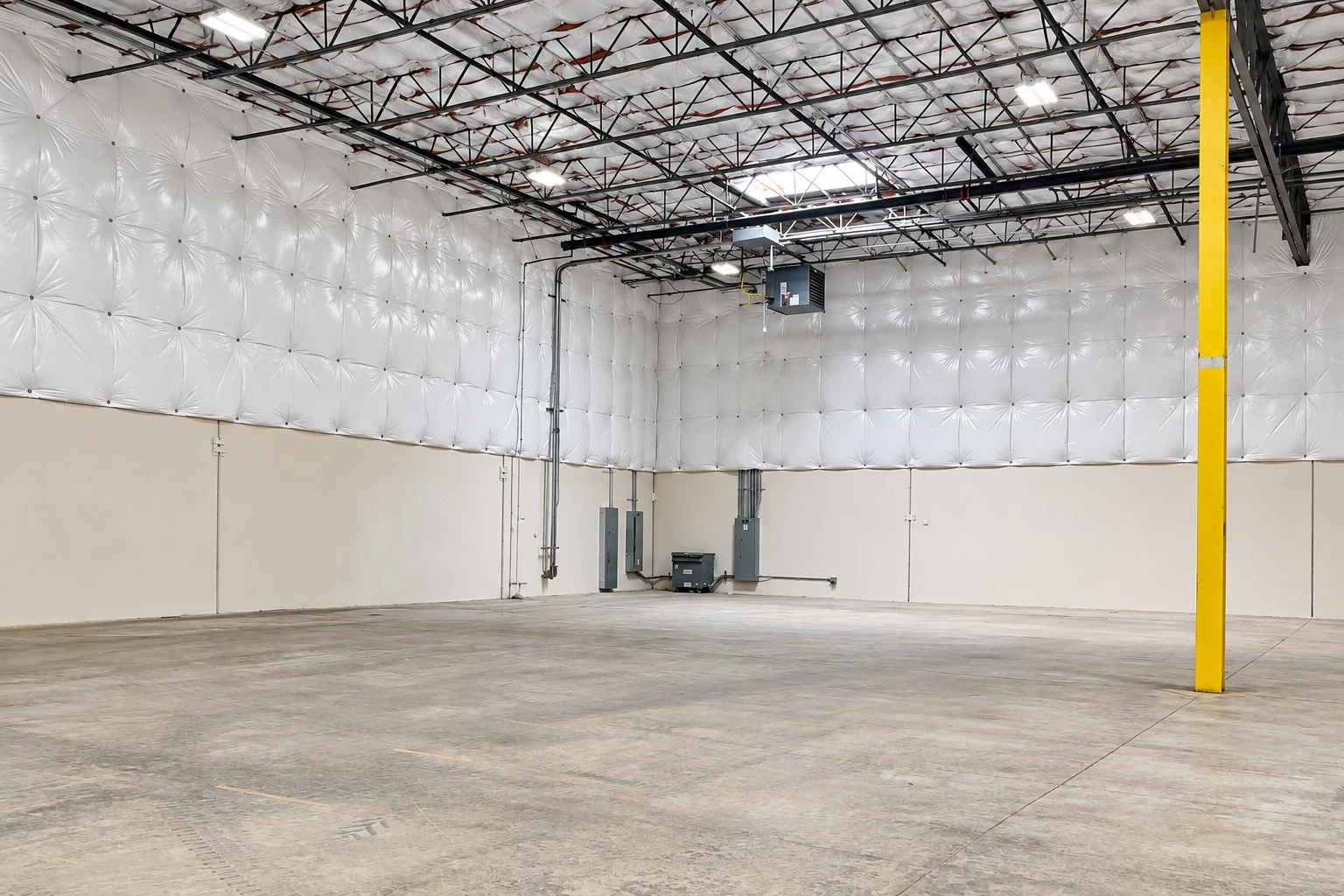
Landlords and building owners call us for the same look-first approach on commercial insulation, where closed-cell foam's moisture control matters just as much.
When your ductwork lives in the attic, foam on the underside of the roof brings the ducts inside the sealed space. That's where foam usually beats sealing gaps and adding loose fill.
Closed-cell foam repels water instead of soaking it up, so it holds up on crawl space walls where the ground stays damp and the floors above feel cold.
The rim joist, the board that sits on top of the foundation wall, leaks air at every seam. Spray foam seals and insulates it in one step, so you skip a separate sealing job.
Framing over a garage often leaves little depth to work with. Closed-cell foam packs more insulation into each inch, so a hot or drafty bonus room gets more from the space it has.
Send the form and we'll reply within one business day to set a time. I come out, look at the spaces and give you a written estimate, with no obligation to go ahead.
The estimate is free and done at your house, because I can't price foam honestly until I've seen the framing, the access and how many inches are already up there.
You get photos with the written estimate, so you can see the old insulation, the gaps and any leaks for yourself and compare our quote with anyone else's.
List the spaces you're thinking about, whether that's the attic, the crawl space, the garage room or the walls, so I set aside time to get into each one.
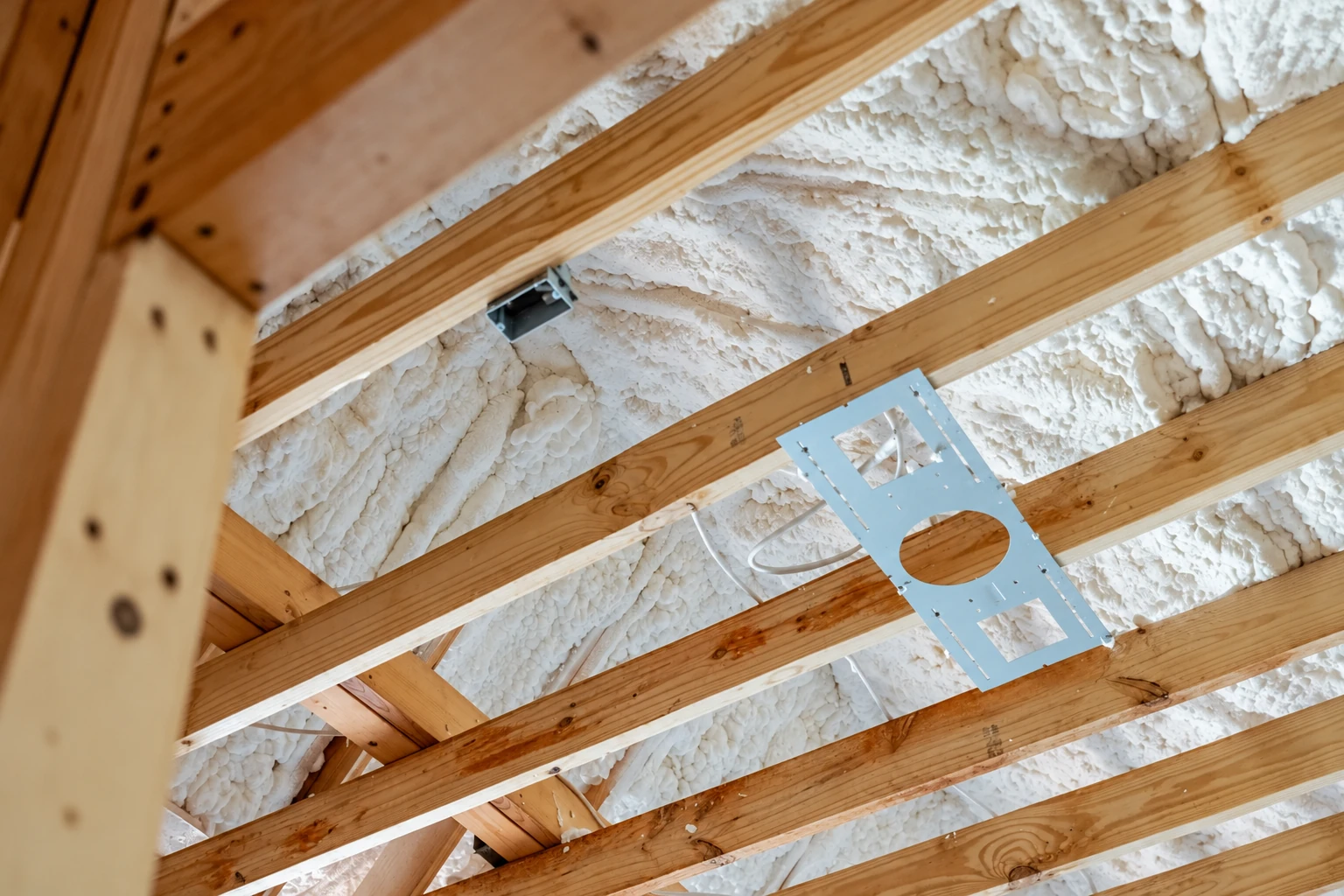
These illustrative photos show sprayed foam on roof decks, rim joists and crawl space walls, examples to talk through when we plan your layout.
Here are straight answers to what homeowners ask us about closed-cell foam, from cost and time away to permits and later repairs.
Closed-cell is the better choice when you want moisture control along with air sealing, and open-cell can be enough when stopping air is the main goal. Federal energy guidance puts typical closed-cell at R-6 per inch, R-value being how well insulation slows heat, against about 3.6 for open-cell. At its usual thickness closed-cell lets almost no moisture vapor through, and open-cell doesn't stop vapor.
Spray foam insulation in Los Angeles usually costs about $2 to $5 per square foot, and that range covers spray foam in general, not closed-cell alone. Closed-cell costs more than open-cell over the same area, because it expands less and takes more material to fill the space. Your free estimate gives you the figure for your own job.
EPA guidance says everyone who lives in the house should be out while the foam goes in, so take the pets along too. For professional systems, some makers recommend waiting 24 hours before coming back, though the re-entry time, the wait before you return, varies by product. We'll tell you which product we're using so you can confirm its time with the maker or supplier.
The city's Building Division regulates all home construction, and every project must meet the Municipal Code and state rules, including the California Residential Code, the Title 24 energy code and the green building standards, plus the county fire code. Its express permit list doesn't name insulation, so we check with the city or county office covering your address and handle any permit paperwork and inspections.
It can. A federal energy guide reports that closed-cell foam in the cavities of frame walls substantially increases their racking strength, their resistance to being pushed out of square, and calls that an advantage when building in areas prone to earthquakes. It's one of the things I weigh with you when your walls are open.
They can work around it, but they shouldn't heat it or grind it. EPA advises plumbers and electricians to leave spray foam unheated and unground, because heating or grinding can potentially give off toxic emissions. If you're planning wiring or plumbing work after we insulate, pass that along to whoever you hire.
Call (562) 271-1051 or use the form, with a few dates in mind when your household could be away during the install.