The hot room upstairs
Upstairs bedrooms bake when the attic above has thin or settled insulation and open gaps, so that's the first place I look when one floor runs hotter than the rest.
Hot upstairs, cold floors or a power bill that keeps climbing? We find where heat gets through and fix it in the right order.
Home insulation in Pico Rivera means putting insulating material where your house gains and loses heat, mostly the attic, so your rooms hold a steadier temperature, stay quieter and stop working against the power bill.
Most calls start with a hot upstairs, a drafty room over the garage or cold floors, and the cause is rarely just thin insulation. The price moves with the size of the space, how many inches are already up there and whether they're worth keeping, any repairs that have to come first, and whether you go with foam or loose fill. The schedule turns mostly on those repairs and on any old material that has to come out. You get your own figure on the written estimate, with photos of what I found.
Before work starts, we check with the building office that covers your address, which in Pico Rivera is the city's Building Division, and if your job calls for a permit we handle the paperwork and inspections. The city holds construction plans to the California Energy Code, which sets its standards for a home's outer shell by climate zone, so the rules your job follows depend on where your house sits. We're based in Pico Rivera and work in many of the cities around it, plus nearby county areas where the county handles building permits.
I go up in the attic and under the house myself, take pictures and walk you through them, so you see what's wrong before you ever see a number.
If there's a roof leak or old wiring, I'll tell you to deal with it first, because new insulation laid over a problem just hides it until it costs more.
I spent years working in houses where people were living, so our installers cover what needs covering and clean up as they go instead of leaving it for the end.
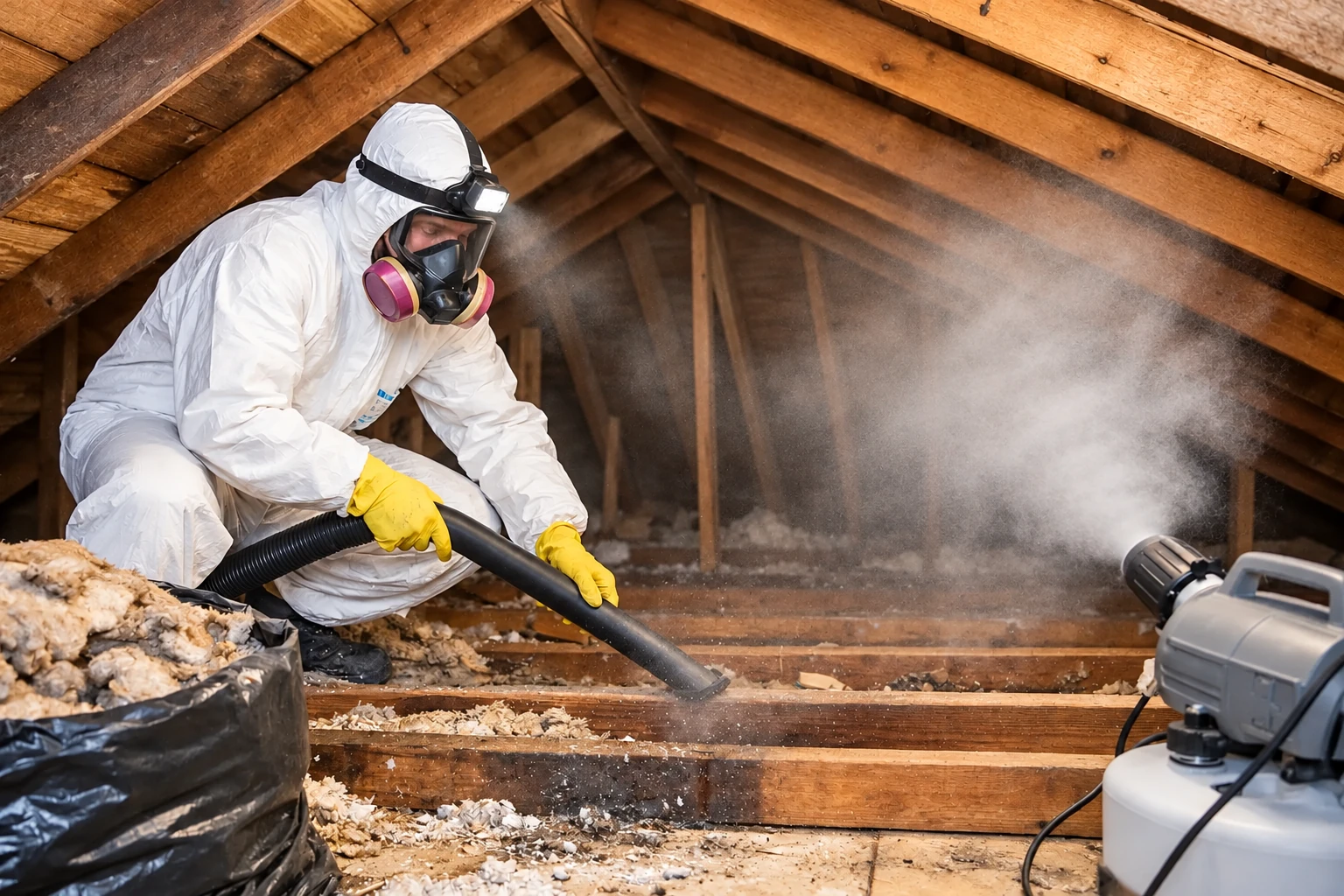
I start by looking at the whole house, not just the attic, because most homes need work in a certain order. I tell you what to repair and seal before any money goes into insulation, so your budget goes where it does the most good. If the old material up there is soaked or full of droppings, new insulation on top just keeps the problem, so we pull it out first with insulation removal.
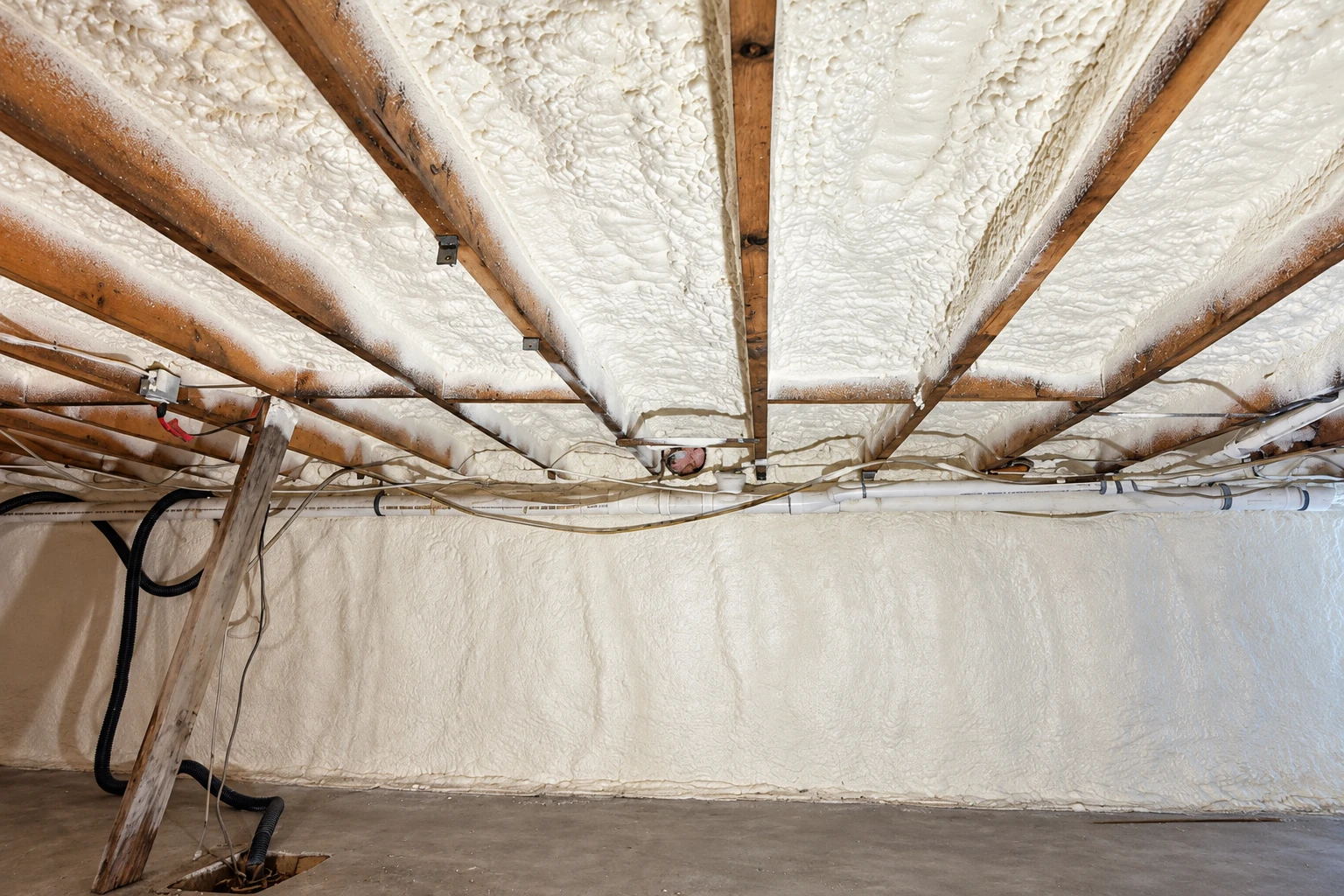
Then our crew does the air sealing, closing the gaps around can lights, pipes and the attic hatch so the new layer isn't fighting a draft. We keep the eave vents clear so the attic can still breathe, and we carry the depth all the way out to the edges instead of piling it up in the middle. Cold floors usually point under the house, and that's where crawl space insulation comes in.
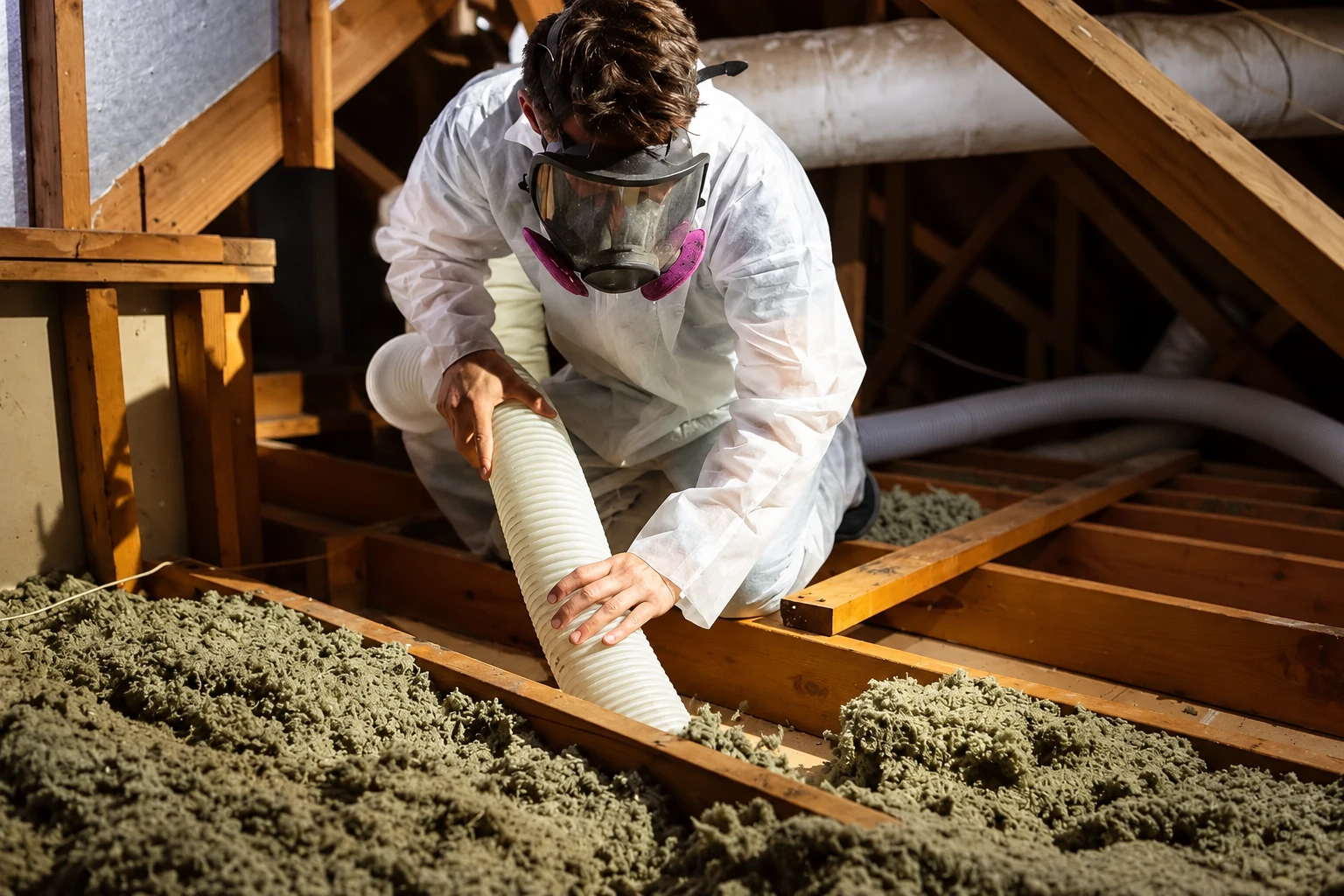
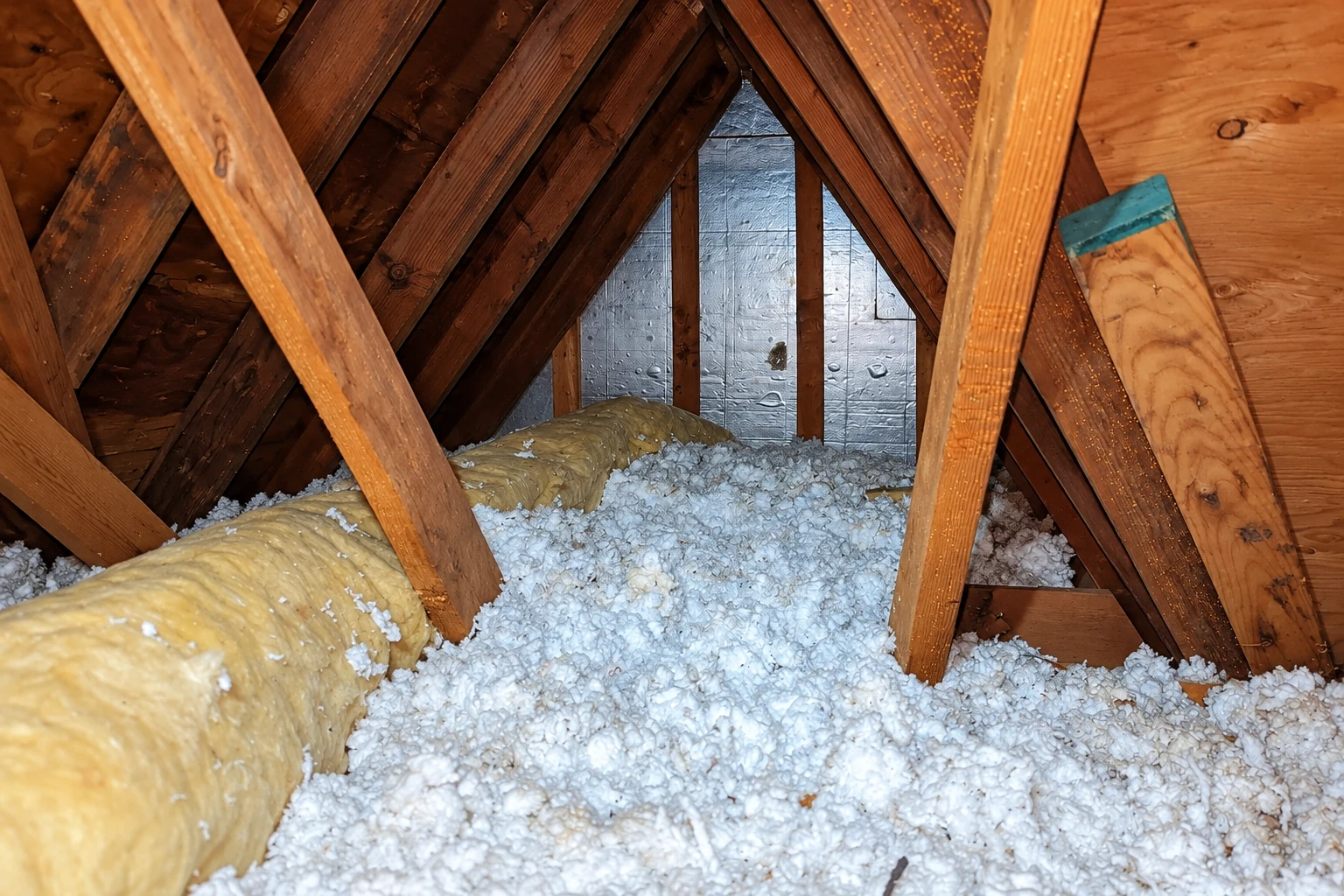
Foam costs more and seals air while it insulates. For most attics I'd rather seal the gaps and top up with blown-in insulation, loose fill we send up through a hose, unless your ductwork runs through the attic, because that's when foam usually earns its price.
Upstairs bedrooms bake when the attic above has thin or settled insulation and open gaps, so that's the first place I look when one floor runs hotter than the rest.
That room has garage air under it and roof over it, so it swings hot and cold faster than the rest of the house and usually needs work above and below.
Floors feel cold when the space under the house has little or nothing between the outside air and you, so we check down there before anyone blames the heater.
Older homes often have insulation that's packed flat, stained from an old leak or something that shouldn't be touched, so we check what's there before adding anything new.
Send the form and we'll get back to you within one business day to set a time. I come out, look the house over and you get a written estimate with photos, free and with no obligation.
I'm the one who climbs up there and writes your estimate, so the person explaining what's wrong is the same person pricing the fix.
You keep the pictures from the attic and crawl space, so you can see the problem for yourself and compare our estimate with anyone else's.
That's our promise on the work, and it's why I go over the finished job with you myself before we call it done.
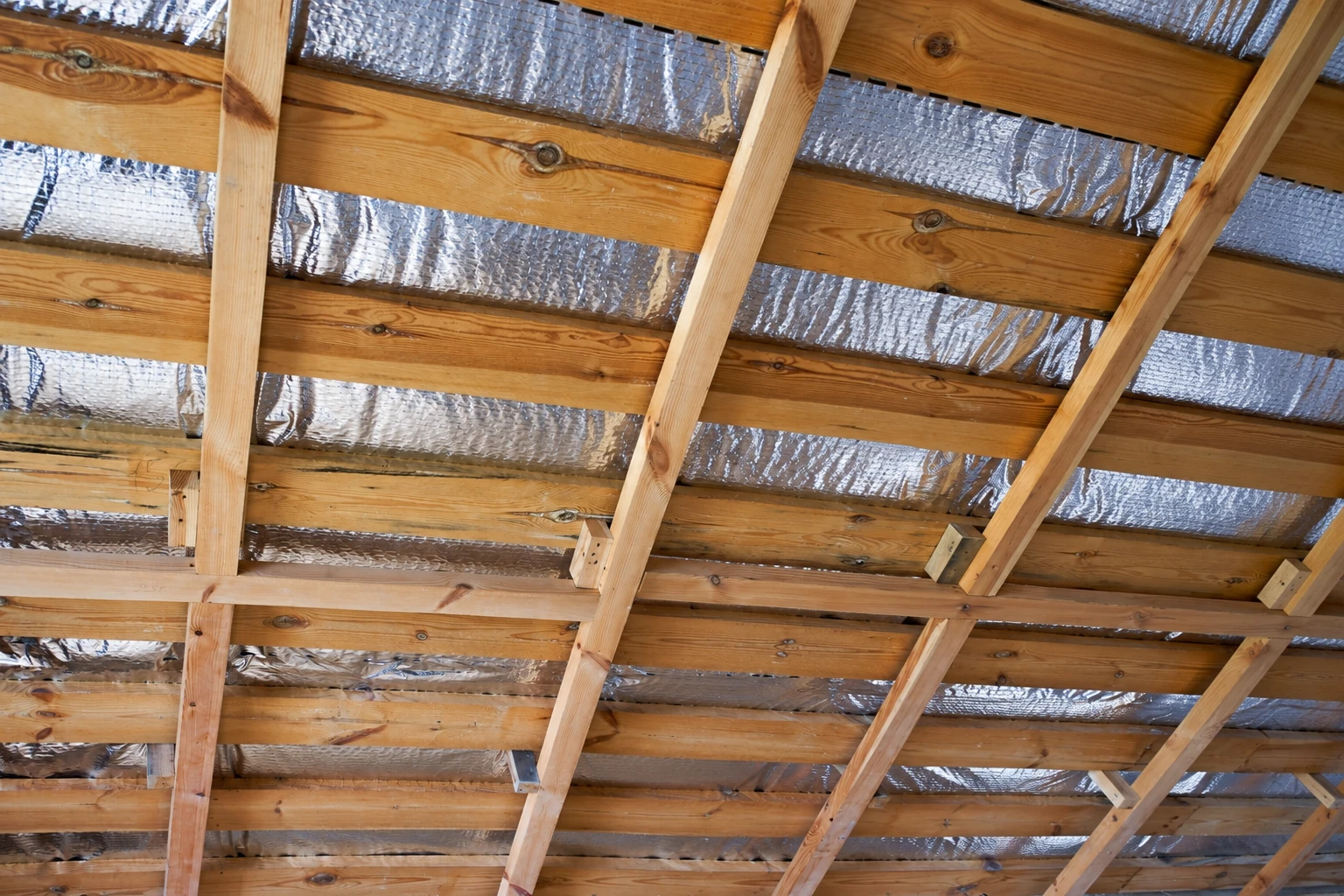
These example photos show blown-in attics, foam and sealed gaps, so you can point to the finish you're curious about when I come out.
These are the questions homeowners ask me most when they're planning an insulation job and trying to decide what comes first.
Insulation installation in the Los Angeles area usually costs about $2 to $7 per square foot, and that's the going rate across the market, not our price. Where your job lands depends on the material, what has to come out or be repaired first, and how easy the space is to reach. The written estimate after my visit gives you your own figure.
Yes. ENERGY STAR's national attic guidance says to seal the air leaks first and finish the insulation after, so if you're planning both, book them in that order. If you have gas appliances, ask for a drafting test before and after sealing, because in some cases a tighter house can send combustion gases back inside.
ENERGY STAR recommends having a professional correct wet insulation from a leaky roof, mold or rot, an attic with little ventilation, or old knob and tube wiring before insulating. Those repairs belong first in your plan and your budget. I'll point them out in the photos, and I'd rather send you to a roofer or electrician now than bury the problem.
Leave it alone. EPA's national guidance is to keep vermiculite undisturbed, because disturbing it may release asbestos fibers that are a health risk when breathed in. It looks like pebbly pour-in fill, usually gray-brown or silver-gold, so look without touching. If you choose removal, EPA says a trained, accredited asbestos abatement contractor, separate from whoever assessed it, should do the work.
Insulation work in California falls under the state's C-2 Insulation and Acoustical Contractor license, the class for contractors who install insulating material to control temperature or sound. Ask any company you're considering whether they hold the right license before you sign anything. We're fully licensed and insured.
Call (562) 271-1051 or use the form, and have your attic's rough square footage handy, since insulation is priced by the square foot.