
A room that never feels right
A bedroom with outside walls that's always hotter or colder than the rest of the house often has little or nothing in those walls, and plenty of older houses went up that way.
A room that stays hot all summer or drafty all winter often has empty walls. We fill them full and leave your house clean.
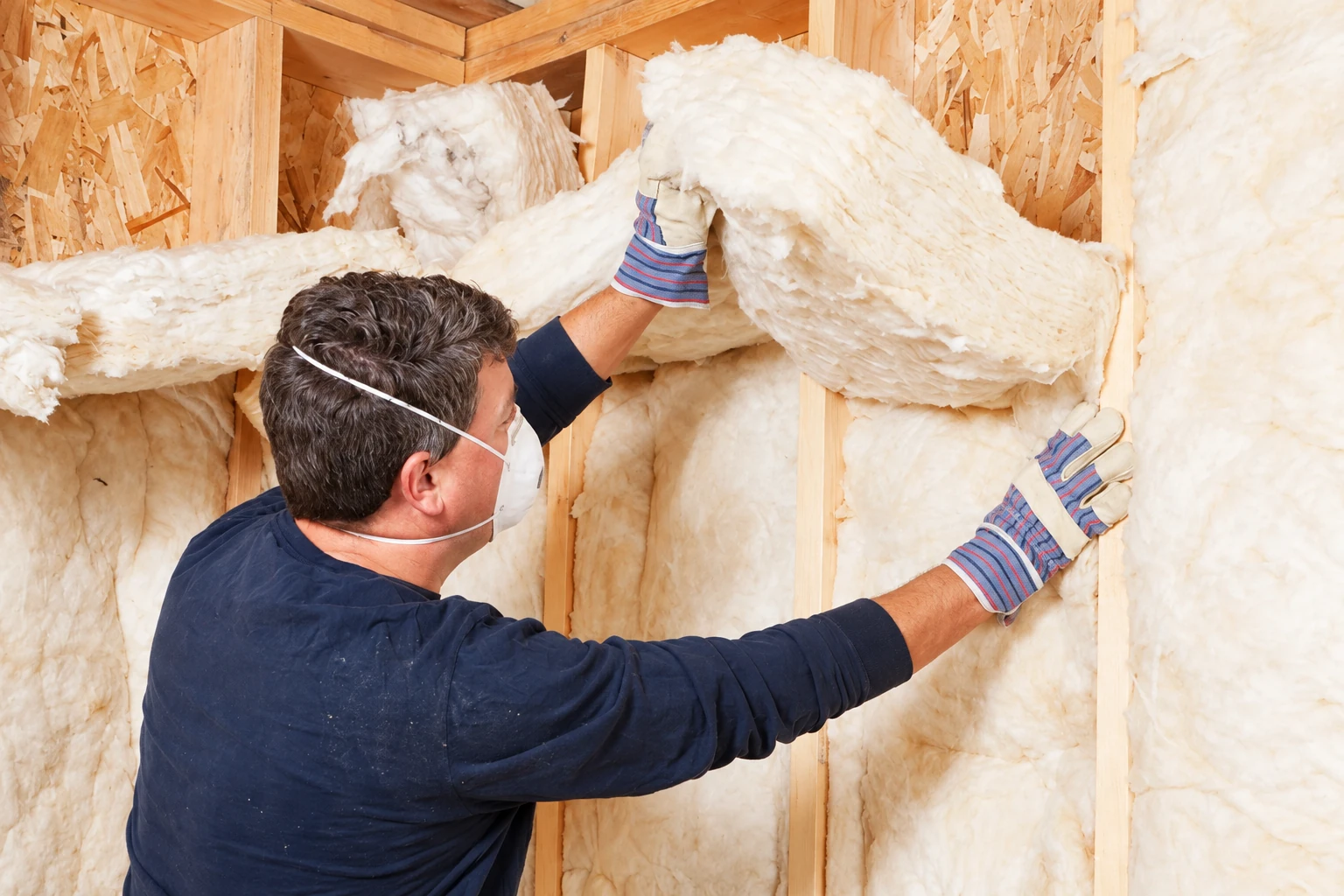
Wall insulation in Pico Rivera means filling the hollow spaces inside your wall framing with insulating material, so your rooms hold their temperature better and less outside noise comes through.
The price mostly comes down to how much wall we're filling, whether the walls are open or finished, and which method fits, because drilling and patching a finished wall takes more labor than filling open framing. The schedule depends on how many rooms we're working in, whether something like old wiring has to be fixed first and whether the job needs a permit. I write your estimate after seeing the house, and it gives you your actual figure.
Before work starts, we check with the building office that covers your address, city or county, and if the job calls for a permit, we handle the paperwork and inspections.
I come out, look at how your walls are built and explain what I find in plain words before quoting anything, so you can make a good call now and spot a bad pitch later.
If I find old wiring or signs of a leak, I'll tell you to fix that first, because new insulation packed around a problem just hides it until it gets worse.
Our installers do the work, and I go over it with you before we call the job done, so nothing gets closed up without a second look.
I start by looking at how your walls are framed and where we'd need to drill, because that decides whether blown-in insulation or batts makes more sense, and I'll walk you through that choice before you see a number. Blown-in is loose fill we send through a hose into each cavity, and batts are precut blankets fitted between the studs.
We also look for any wall cavity that carries heating or cooling air, because those have to stay free of insulation, and we leave them empty. When we drill from inside, we cover the floors and close off the room so the dust stays put. When we work from outside, we plug and seal every hole so rain stays out of the wall.
Insulation slows heat, but it can't stop a draft coming through gaps around outlets and pipes, so we often pair this job with air sealing services, which close those gaps first. If a cold room sits over a basement, basement insulation may help that room as much as the walls do.
A bedroom with outside walls that's always hotter or colder than the rest of the house often has little or nothing in those walls, and plenty of older houses went up that way.
Rooms over a garage or added on later often got skipped or done thin when they were built, so they're some of the first walls I check on a visit.
Traffic or a neighbor's AC unit on the other side of a wall usually comes through less once the cavity is filled, which is why some people call about one bedroom wall.
When the drywall is already off for a remodel, there's no drilling or patching to do, so it's the easiest time to fill those walls before they close back up.
Send the form and we'll get back to you within one business day to set a time for me to come out. The estimate is free, done on site, and there's no obligation.
I'm the one who comes to look at your walls, so your estimate comes from someone who has actually seen your framing and where we'd need to drill.
Along with the written estimate, you get photos of what I found, so you can see inside your own walls and hold any other quote up against the same thing.
A rough idea of which rooms and how much wall you want done helps me plan the visit. You can also email it to sales@picoriverainsulationcompany.com.
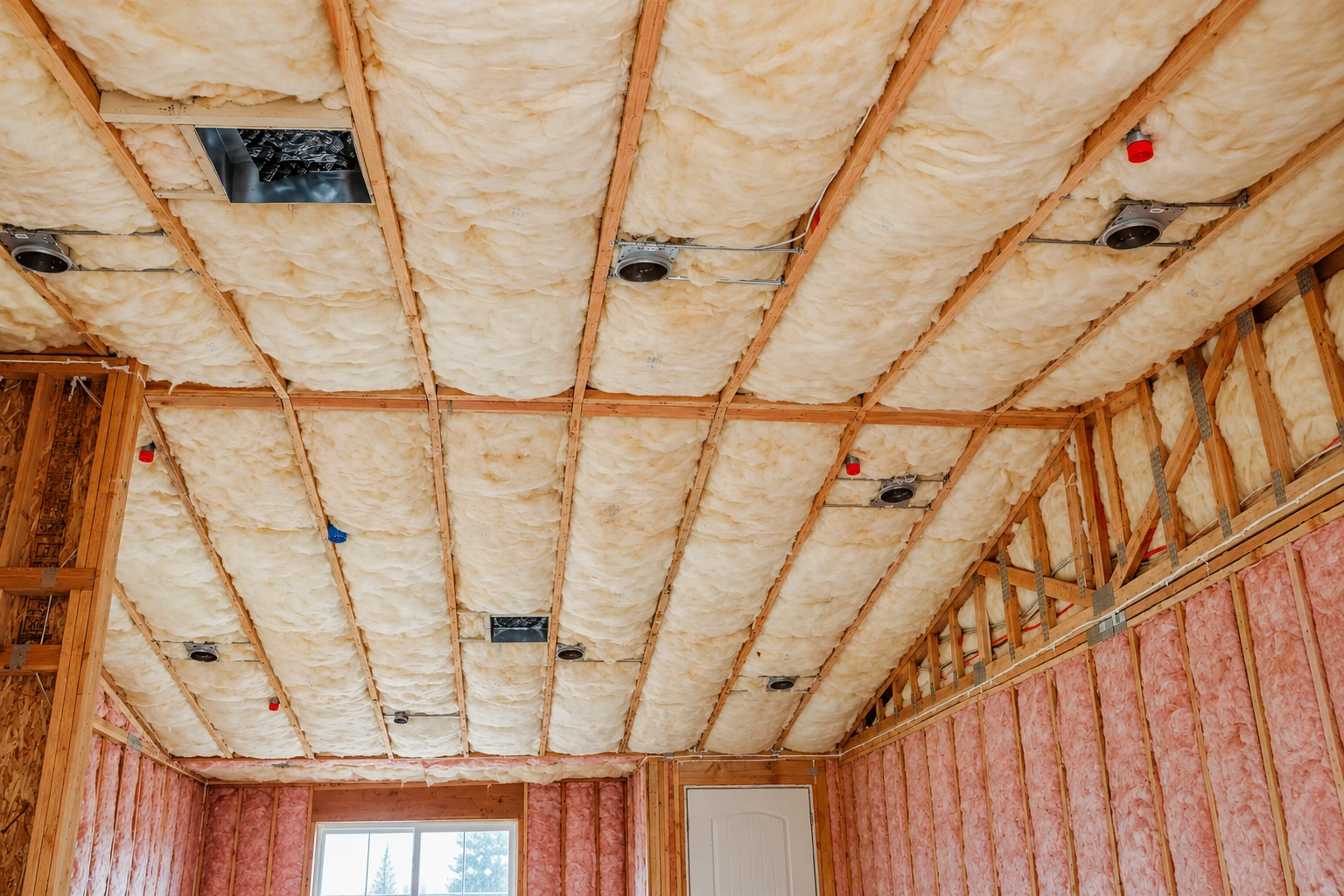
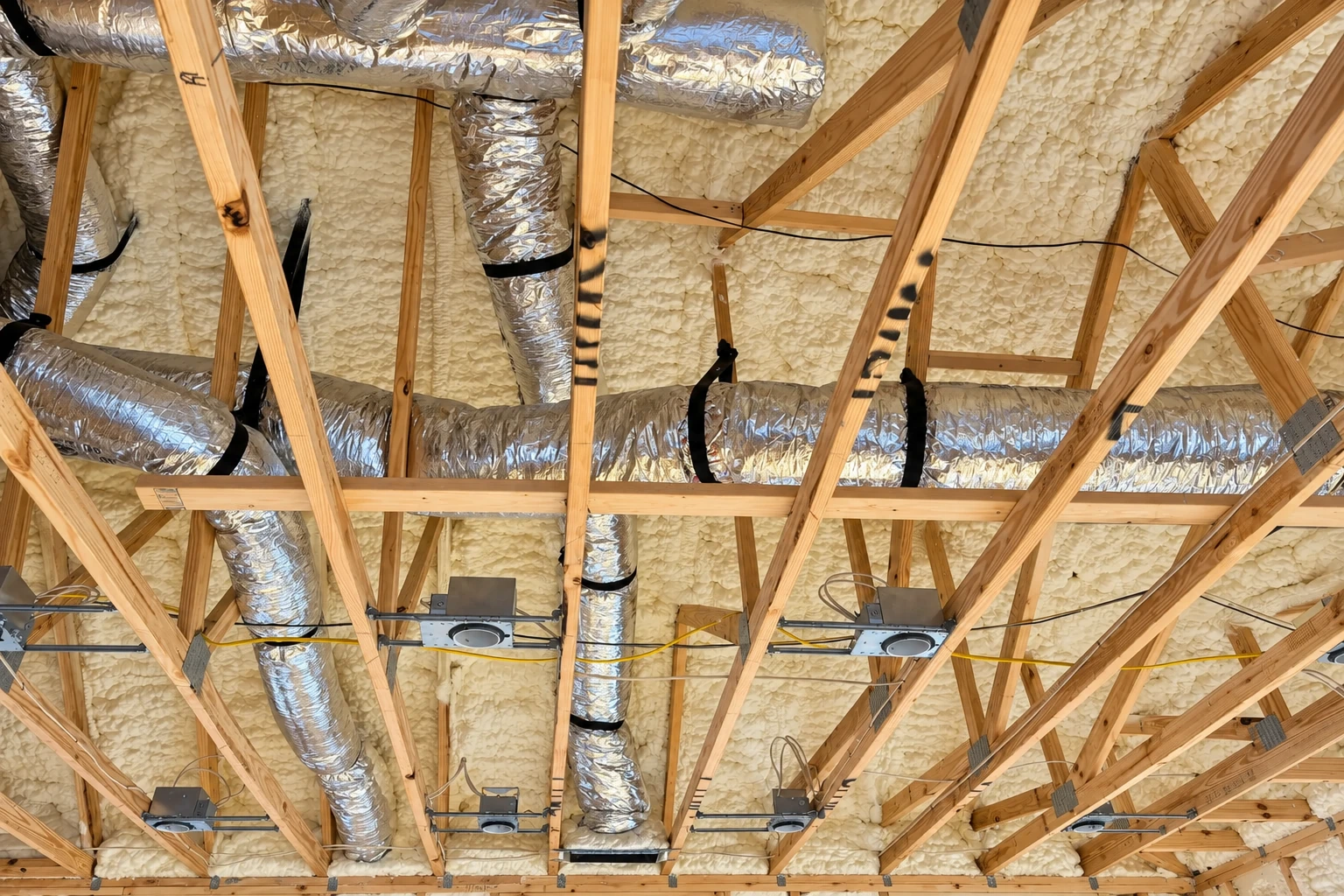
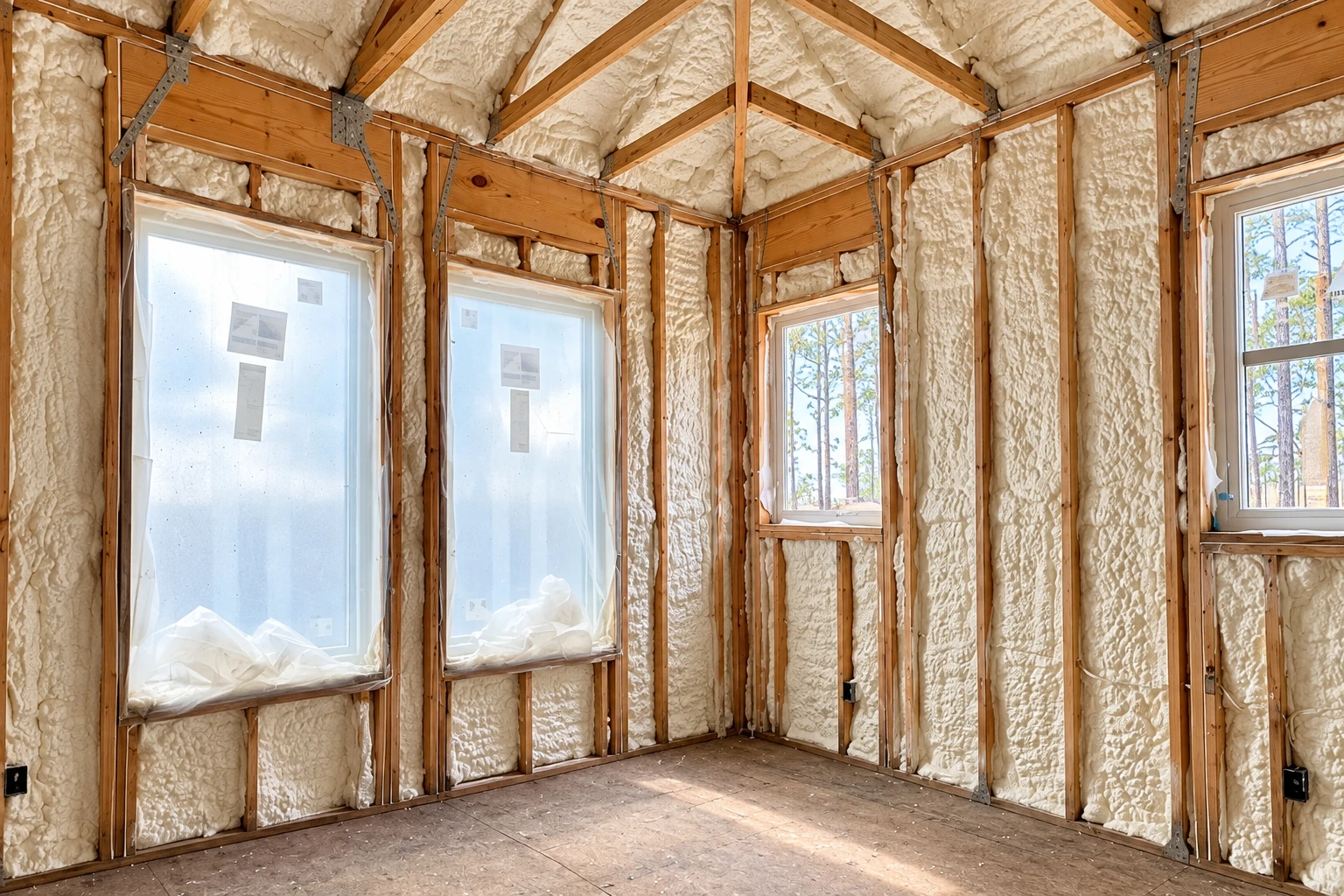
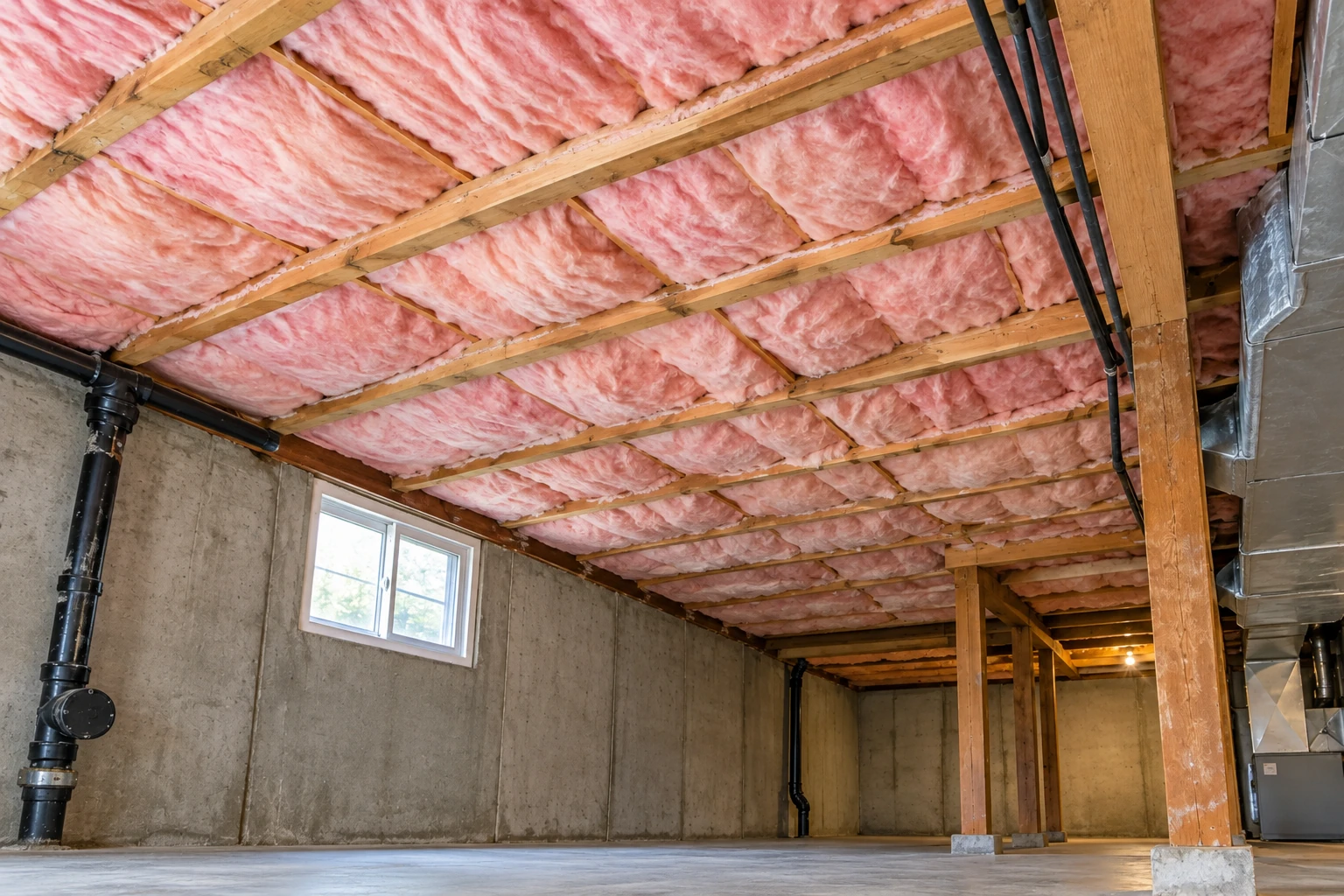
These example photos show blown-in fill, fitted batts and patched drill holes, the options we'll talk through for your walls.
Here are straight answers on cost, choosing blown-in or batts, how long it lasts, permits and licensing for walls in Pico Rivera.
Insulating walls in the Los Angeles area usually costs about $1 to $4 per square foot, and that's the going range across the market, not our price. Treat it as a starting point. Where your walls land depends on the area, the method and how much drilling and patching is involved, and your written estimate gives the real figure.
Blown-in usually suits closed walls and odd, hard-to-reach cavities, while batts can be very cost effective in open framing where the spaces match the batt size. Federal guidance says blown-in has to fill each cavity completely and go in dense enough not to settle, and batts have to be cut to fit snugly around pipes and wires without being squeezed.
The cellulose makers' trade group says properly installed cellulose can keep working well for decades, so how it goes in matters as much as what goes in. A wall that's packed full keeps doing its job, and one with gaps lets you down early. Our work is satisfaction guaranteed.
The city's guidance doesn't settle it, because permits there depend on the scope and type of work, and its list names jobs like electrical work and interior demolition, not insulation. The Building Division is the place to ask, at 6615 Passons Boulevard or (562) 801-4360, Monday through Thursday, 7:30 a.m. to 5:00 p.m. We check with them before we start.
California's contractor licensing rules have a class just for this trade, the C-2 Insulation and Acoustical Contractor class, and it covers installing any insulating material. So insulation is a licensed trade of its own in this state, not something anyone with a hose can take on. We're fully licensed and insured.
Tell us the year your house was built when you call (562) 271-1051, since a home from before 1978 calls for lead-safe planning.