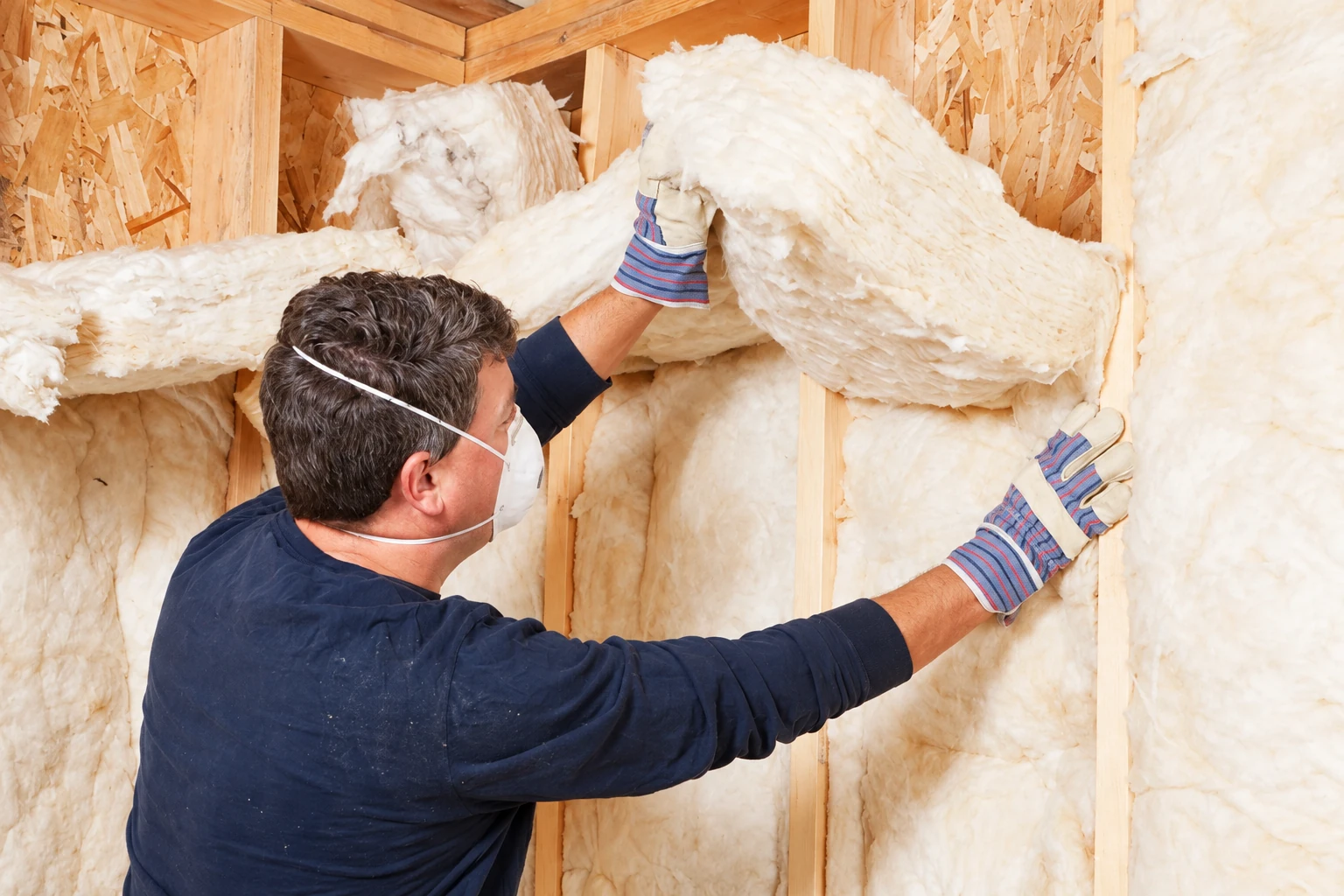
Spray foam insulation
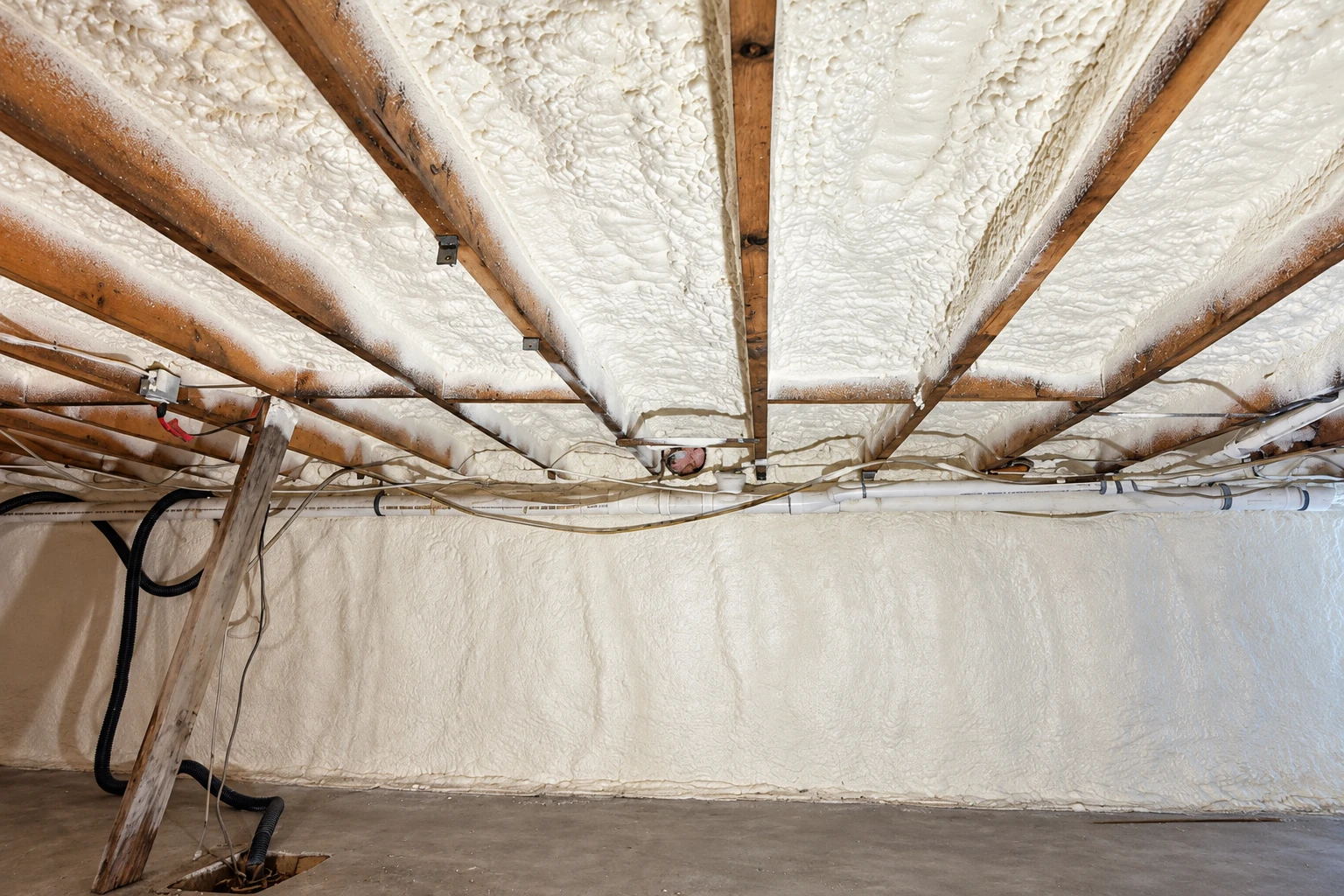
Spray foam seals air and insulates in one pass, which helps most when your ductwork runs through the attic. It costs more than loose fill, so we'll tell you when sealing and topping up does the job.
B&J Pico Rivera Insulation Company is an insulation contractor serving South Whittier homeowners and landlords. We seal air leaks, clear out old or dirty insulation, and add new insulation to attics, walls and crawl spaces.
South Whittier isn't a city of its own. It's unincorporated land run by Los Angeles County, so the building side of an insulation job here goes through LA County Public Works instead of a city hall. We look up which office covers the address on every job, including in Whittier and West Whittier-Los Nietos, because the office that covers a house isn't always the one its mailing address suggests.
On jobs here we mostly see older houses with a few inches of insulation that's flattened over the years, gone thin at the eaves and often dirty from rodents. Rooms over garages and back additions tend to run hot or drafty because nobody sealed them well. Landlords call us between tenants, and owners call when a back bedroom won't stay comfortable or the power bill keeps creeping up.
The price turns on how much old material has to come out, how many gaps need sealing, how easy your attic is to get into and whether foam or loose fill fits the job. The schedule turns on removal, any roof leak or wiring that has to be fixed first, and a permit if the job needs one. The estimate gives you your own figure, in writing, with photos.
I take photos of your attic or crawl space on the estimate visit and walk you through them, so you see the old insulation, the gaps and the vents before we talk money.
If I find a roof leak or old wiring, I'll tell you to fix that before we insulate, because new insulation laid over it just hides the problem until it's worse.
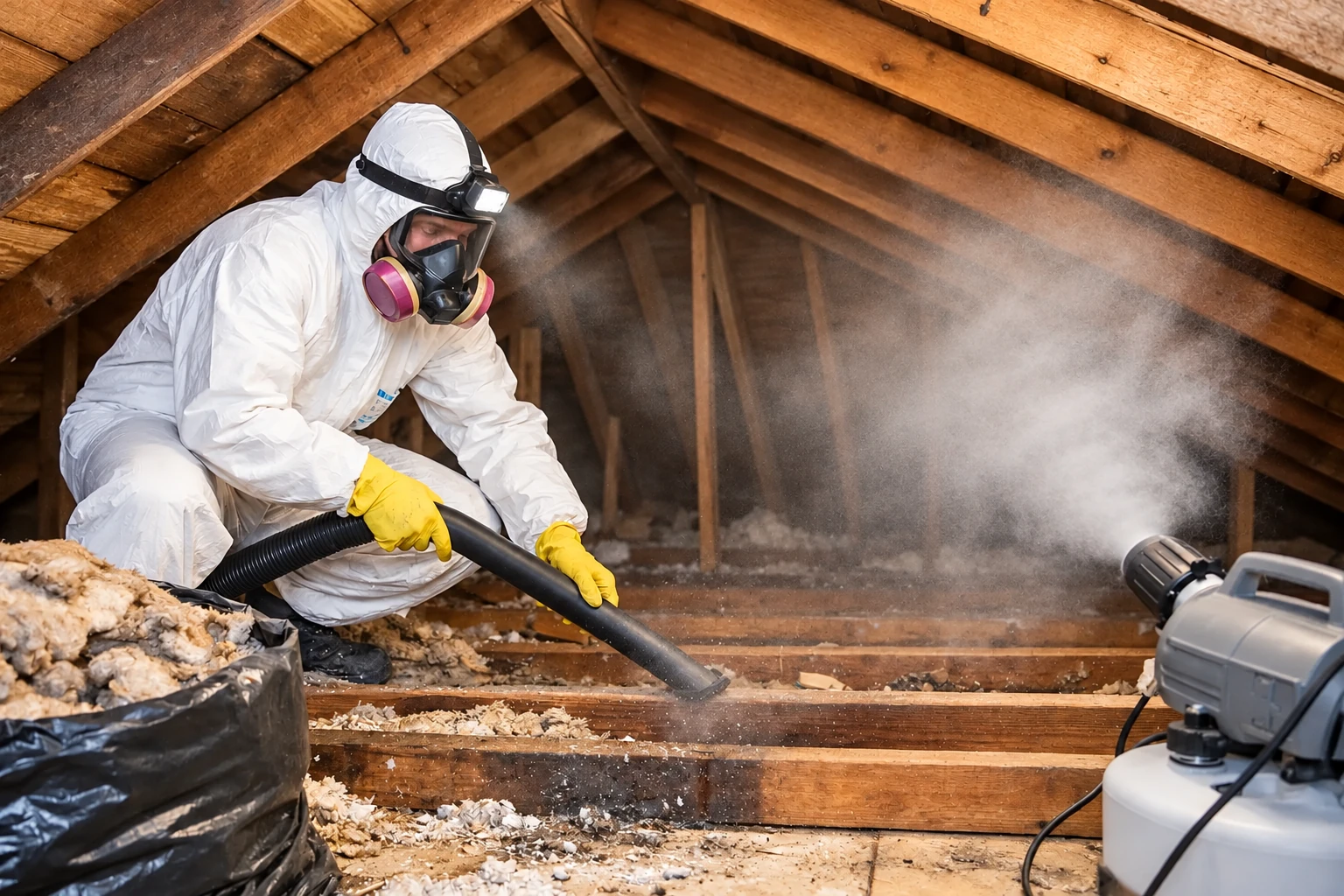
Our installers cover floors and furniture, bag the old material and keep the dust in the attic, since most of the houses we work in have people living in them.
Spray foam seals air and insulates in one pass, which helps most when your ductwork runs through the attic. It costs more than loose fill, so we'll tell you when sealing and topping up does the job.
Most attics we open have a few inches of old material, flattened and thin at the edges. We seal the gaps first, keep the eave vents clear, and fill the edges as deep as the middle.
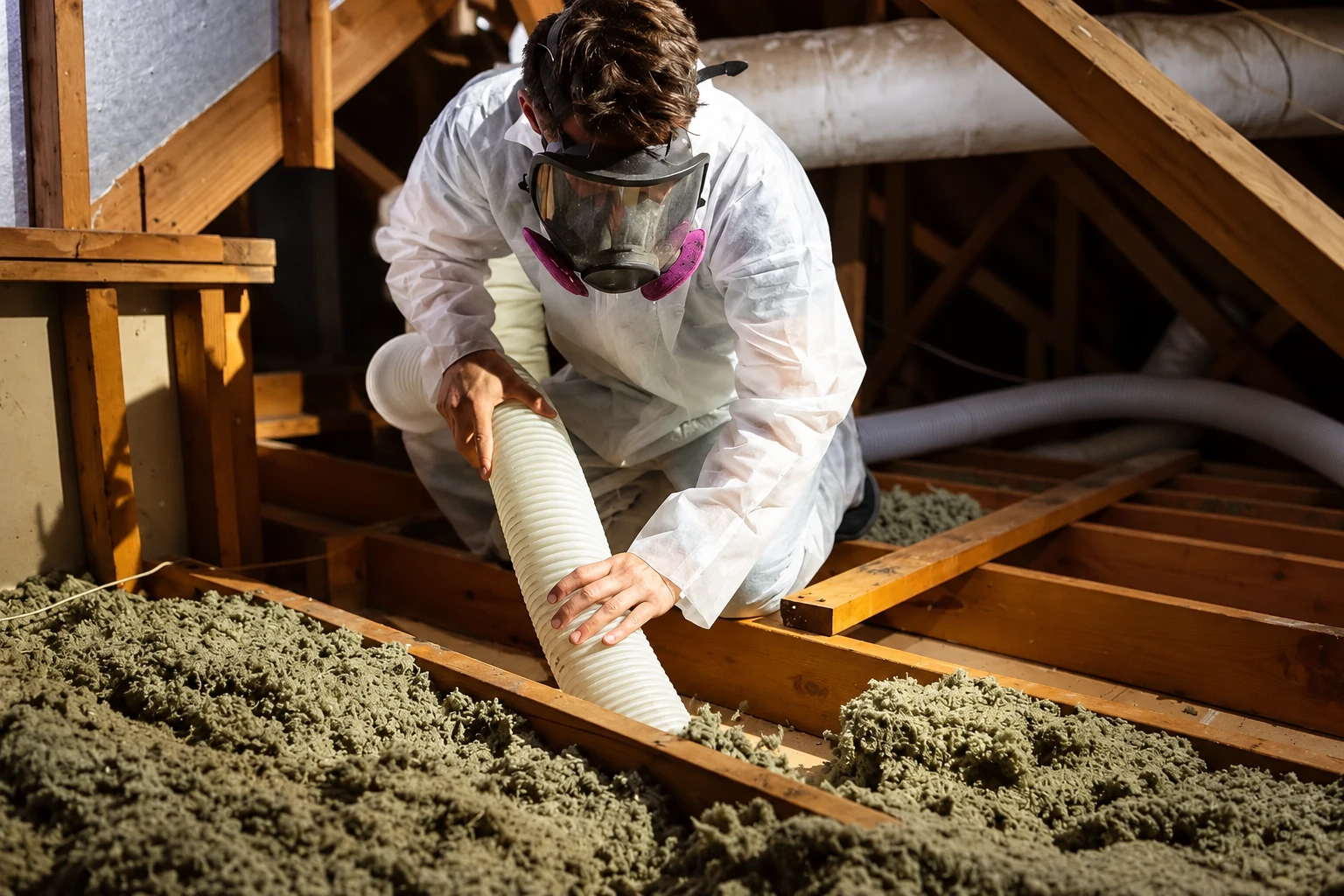
Blown-in insulation is loose fill sent through a hose, so it reaches around joists, wiring and tight corners that batts miss. We measure what's already up there and level it so no spot ends up bare.
When the whole house feels drafty or the power bill keeps climbing, we look at the attic, walls and floors together. Then we tell you which part matters most, so you can spend in the right order.
Old insulation that got soaked or filled with droppings has to come out before anything new goes in, or the problem stays. We bag it, clean the attic floor and keep the mess out of your rooms.
Cold floors usually trace back to bare framing under the house. We check for damp spots and plumbing leaks before insulating between the floor joists, because insulation hung over a wet crawl space won't last.
Older walls are often empty or close to it, and the rooms against them feel it. We can fill closed walls through small holes and patch them, or insulate open walls during a remodel.
Air sealing means closing gaps before insulating, around the whole house: plumbing holes, rim joists and the wall between the garage and the room over it. It's often the least costly fix for a drafty room.
When a house has a basement or a below-grade room, cold walls and damp air are the usual complaints. We find where moisture gets in before choosing a material that won't hold it against the wall.
Closed-cell foam is dense foam that blocks moisture as well as heat. It suits spots that see damp, like crawl space rim joists, and we'll tell you if a cheaper material would work just as well.
Open-cell foam is softer and lighter, and it seals air and quiets sound in walls and rooflines. It lets moisture pass through, so we keep it out of places that stay damp.
For rentals, small offices and shops, we work around tenants and business hours and keep work areas clean. Landlords and property managers get the same photos and plain explanation homeowners do.
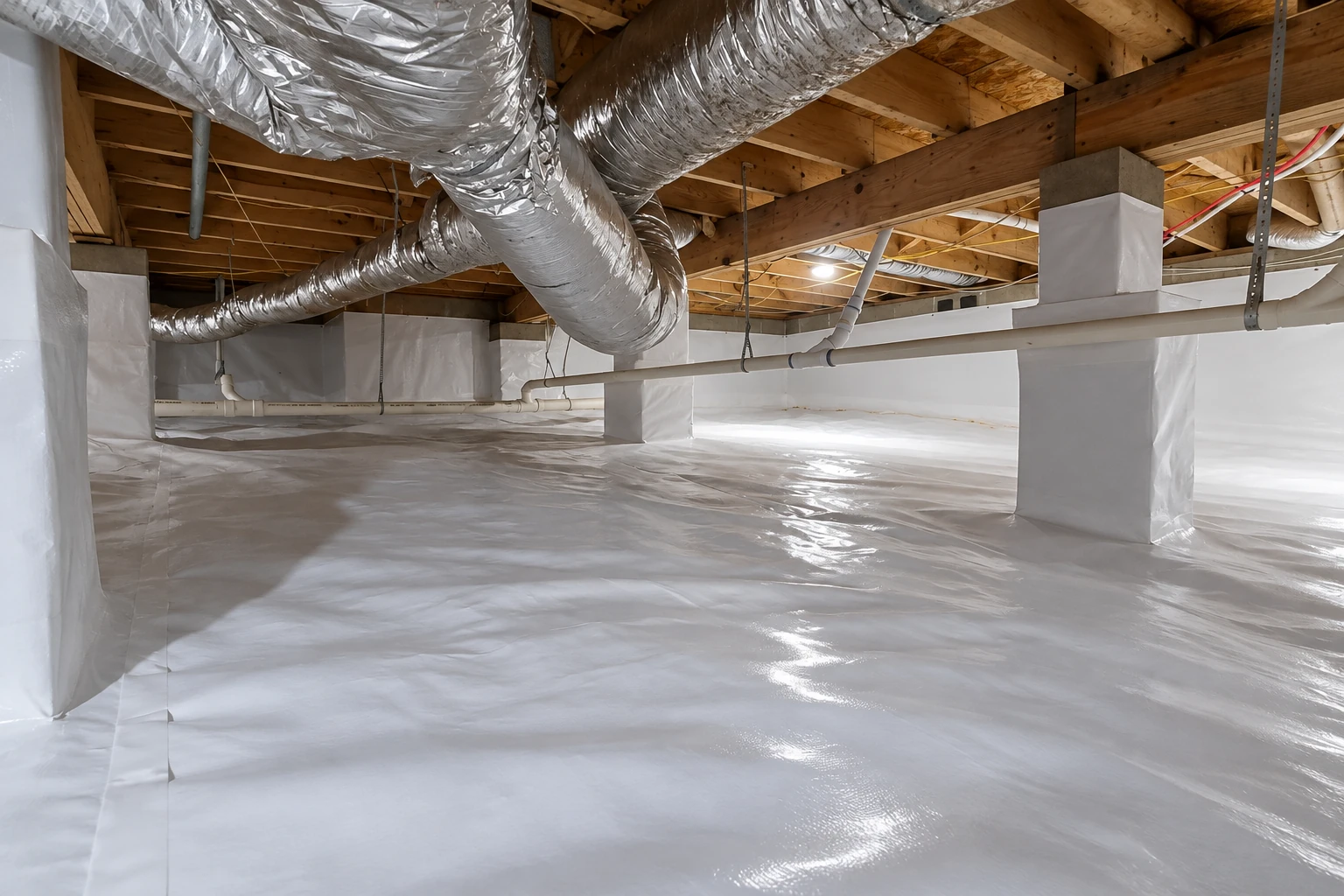
A crawl space vapor barrier is a heavy plastic sheet laid over the dirt under the house to keep ground moisture out of the framing. We overlap and seal the seams so it keeps working after the next crawl-through.
Where a wall, ceiling or floor needs one, a vapor barrier keeps damp air from soaking into the insulation. Put on the wrong side, it can trap moisture, so we explain which side it goes on and why.
Attic leaks hide under the insulation, around can lights, plumbing stacks, wire holes and the hatch. We pull back the old material, seal each one, then lay the coverage back even across the floor.
Retrofit work adds insulation to a house that's already finished and lived in. We work through attics, crawl spaces and small wall openings, and we cover floors and furniture so your day keeps going.
Send the form and we'll get back to you within one business day to set a time. I come out, look over the job, and you get a written estimate with photos of what I found, with no obligation.
Open the attic hatch with a flashlight and look for how many inches are up there, any droppings and any dark stains. It helps, but don't crawl across the joists to find out.
Mention the house's age, which rooms run hot or cold, and whether ductwork runs through the attic. That tells me whether to plan for loose fill, foam or removal.
I come out and write the estimate myself. Our installers do the work, and I go over it with you before we call the job done.
Straight answers to what South Whittier homeowners ask us about permits, licensing, payments and being home while we work.
LA County Public Works does, and its South Whittier District Office in Norwalk processes building permits for the area. The county's list of permit-free work covers things like small pipe repairs and portable heating or cooling units, not insulation, so we ask that office before the job starts. If a permit is needed, we handle the paperwork and inspections.
In most cases, yes. The Contractors State License Board lets unlicensed people do minor work only within a $1,000 limit, and only when the job needs no permit and they have no one working for them on it. So a crew of two, or a job that needs a permit, calls for a licensed contractor whatever the price. We're fully licensed and insured.
A contractor can't ask for or take a down payment of more than $1,000, and on smaller contracts the cap is lower. That rule comes from the state licensing board and covers all home improvement work. Any other payments have to be listed in the contract and tied to work that's done or materials that have arrived.
For blown-in or batt work, usually not, since the crew stays in the attic and you can go about your day. Spray foam is different, because everyone, kids and pets included, stays out until the re-entry time the foam maker sets has passed, which is when it's safe to come back in. I'll tell you which applies at the estimate.
These cities have their own pages, and we also work in others around Pico Rivera. If yours isn't listed, call or send the form with your address and we'll let you know.
We answer the phone every day from 7 AM to 11 PM, so call (562) 271-1051 or send the form whenever it suits you.