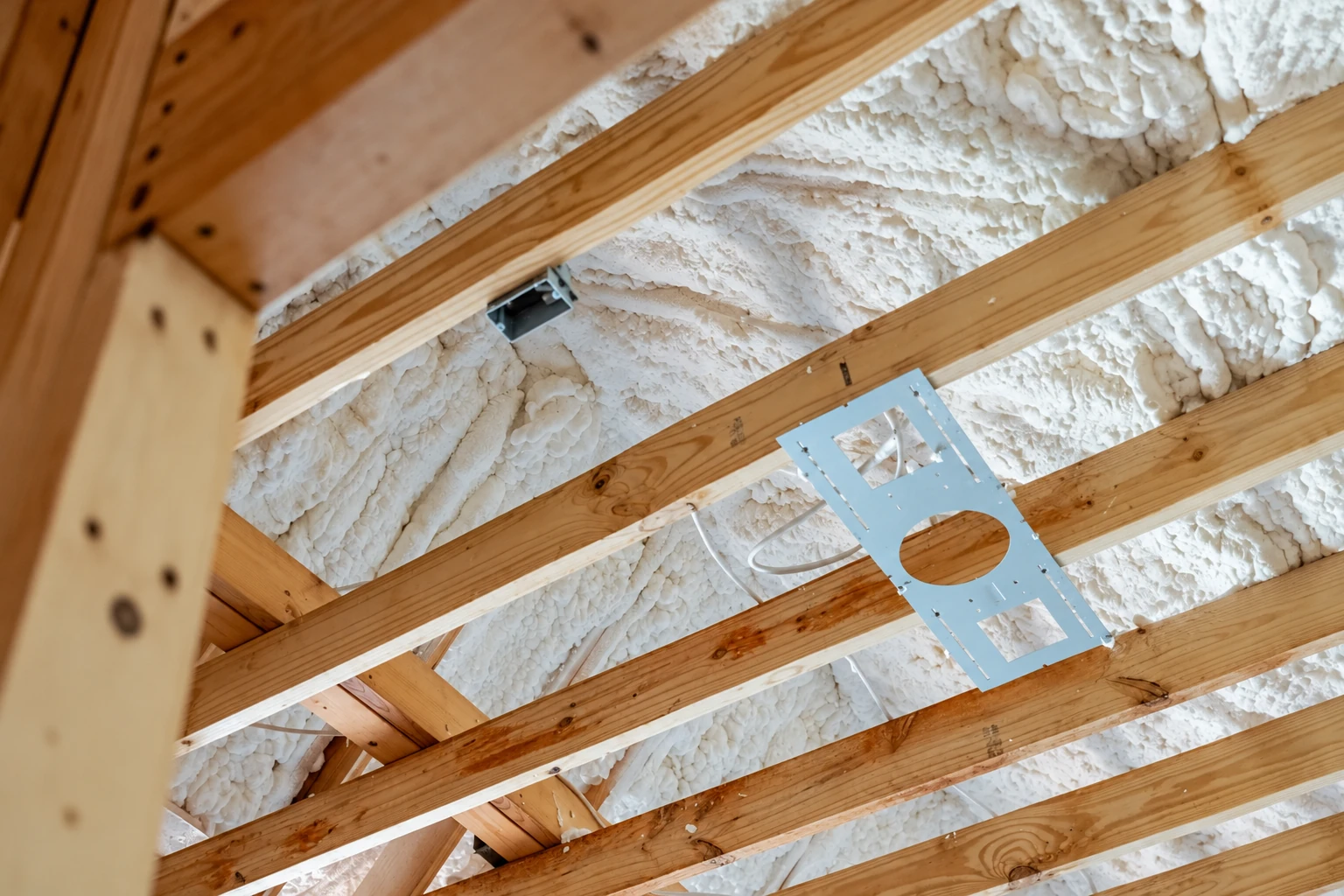
Spray foam insulation
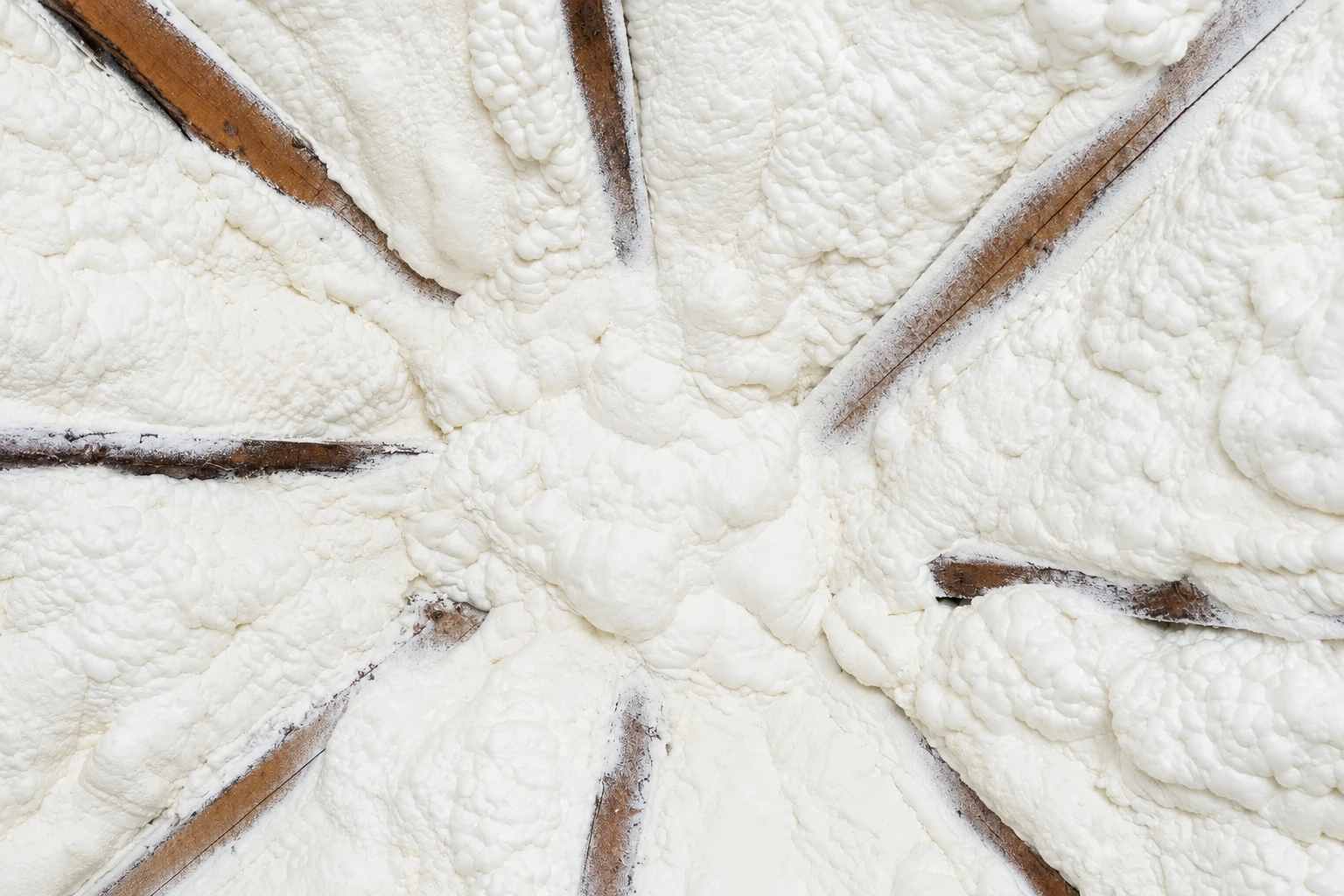
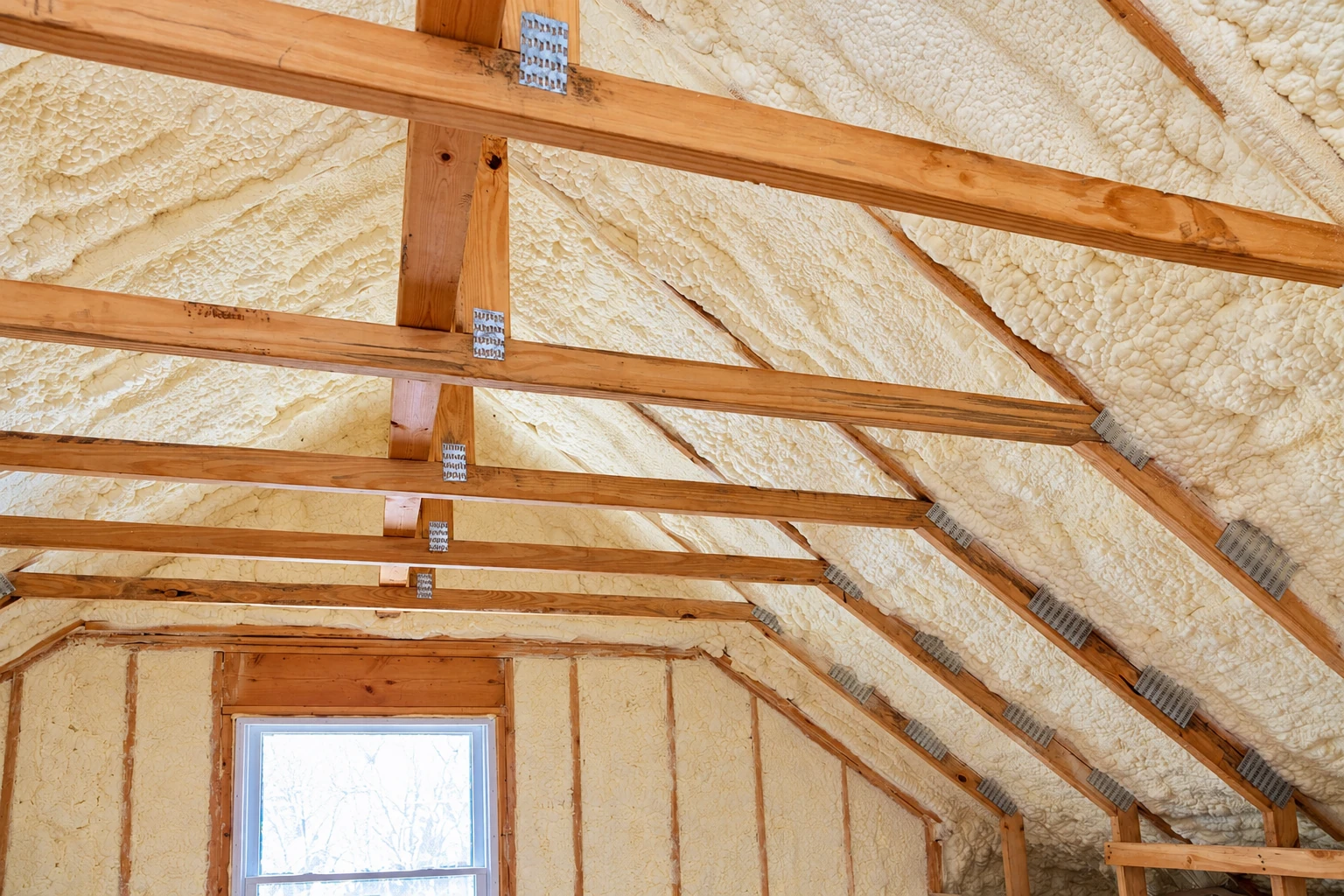
Foam seals air while it insulates, which earns its higher cost when ductwork runs through the attic. Where it doesn't, I'll usually point you to sealing the gaps and loose fill instead.
B&J Pico Rivera Insulation Company is an insulation contractor based in Pico Rivera. We insulate attics, walls and crawl spaces in West Covina homes, seal the gaps that let hot air in, and remove old insulation that's past saving.
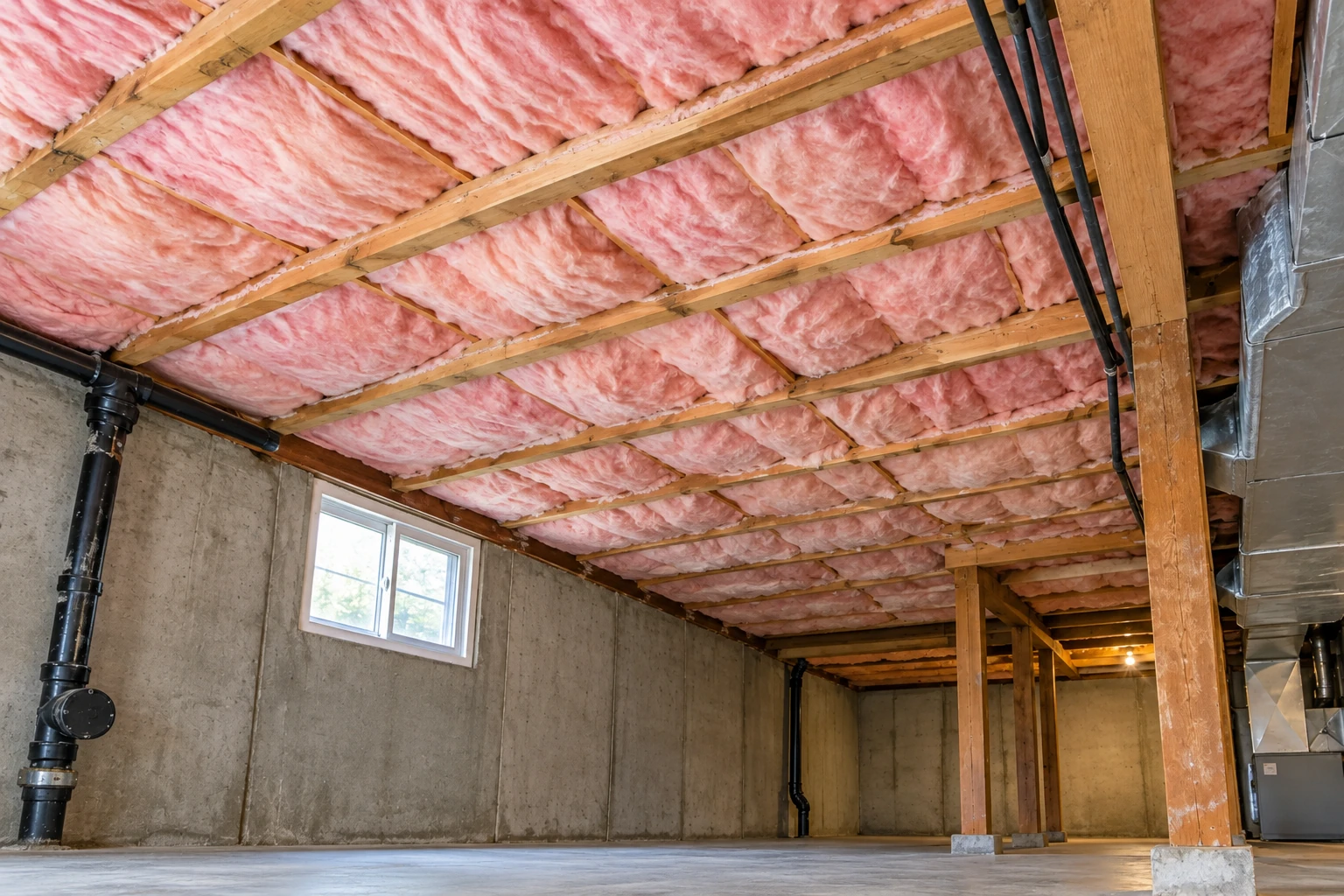
West Covina sits out in the San Gabriel Valley, where the summer sun beats on the roof all afternoon and the heat soaks down into the attic. So the calls usually start with a hot upstairs, a room over the garage nobody wants to use, or a power bill that jumps every summer. In older houses the insulation up there is often thin, packed down or kicked aside by years of cable and alarm installers, and the gaps around can lights, pipes and the attic hatch let hot air pour right past it.
What moves the price is the size of the attic, how much is already up there and whether it's clean enough to keep, how many gaps need sealing, and whether you go with loose fill or foam. Foam seals air while it insulates but costs more, so for most of these attics I'd seal the gaps and top up with blown-in, loose fill blown through a hose, unless your ductwork runs up there. The schedule mostly turns on whether old material has to come out first and whether a roof leak or old wiring needs fixing before we cover anything, and your written estimate spells that out.
We've been insulating homes out of Pico Rivera since 2020, and West Covina is one of the cities we drive out to, along with El Monte, Whittier and Fullerton.
I climb up and look before I quote, and you get photos of what I found with the written estimate, so you can see the problem yourself and judge any other bid against it.
If I find a roof leak or old wiring, I'll tell you to fix that first, because new insulation laid over it just hides the problem until it's a bigger one.
Our installers do the work, and I go over it with you before we call it done, including the edges and eave vents, where corners usually get cut.
Foam seals air while it insulates, which earns its higher cost when ductwork runs through the attic. Where it doesn't, I'll usually point you to sealing the gaps and loose fill instead.
We start by checking how many inches are already up there and whether it's clean, then seal the gaps and bring the coverage up evenly, full depth at the edges as well as the middle.
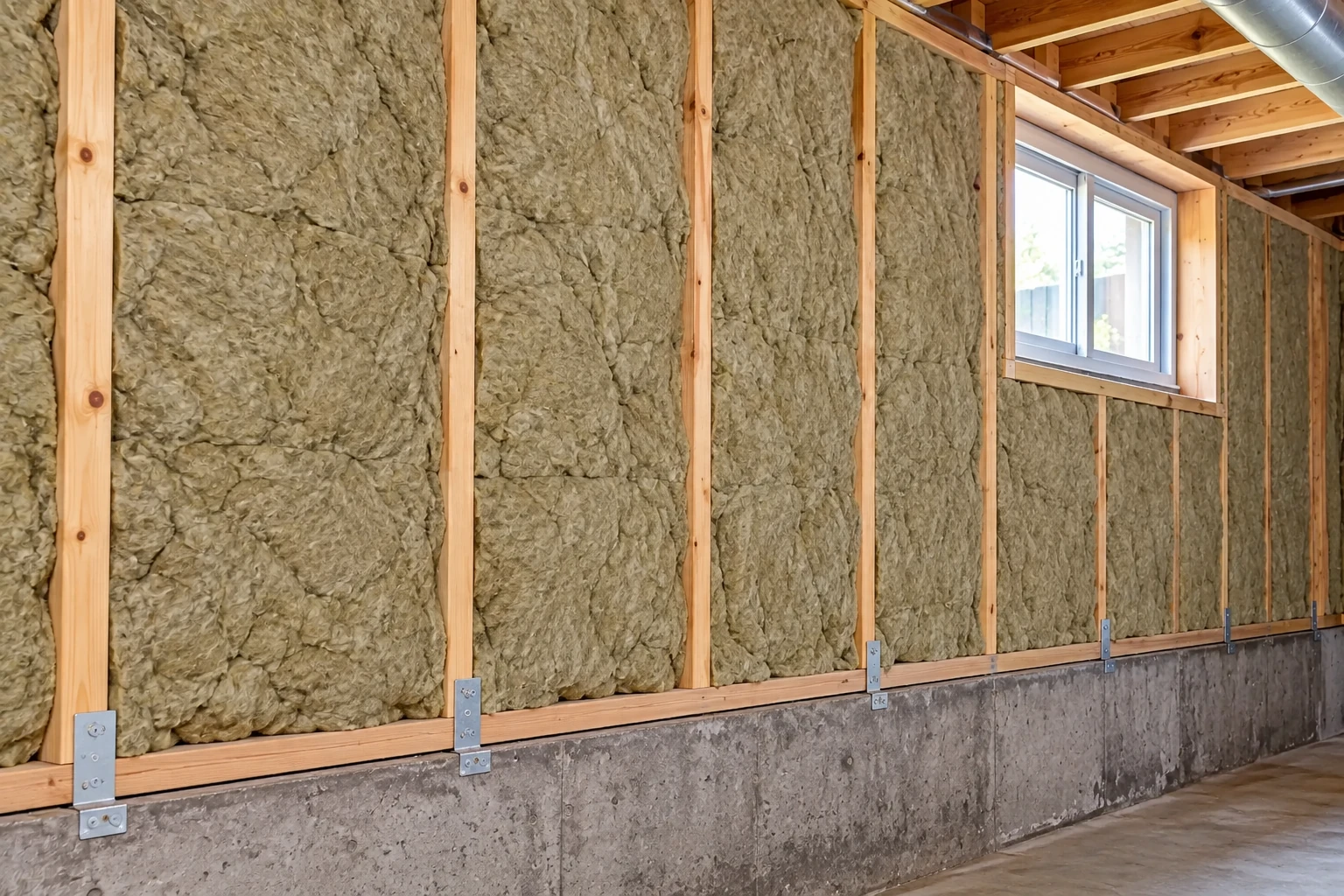
This is how we top up most attics here, because loose fill settles into the corners around joists and wiring that rolled batts usually leave open.
When several rooms run hot or cold, we look at the whole house, attic, walls and floors, and tell you which part to fix first for the money you want to spend.
Insulation that's been soaked by a roof leak or filled with rodent droppings has to come out, because laying fresh material over it keeps the smell and the problem.
Cold floors in winter often trace back to a bare crawl space, so we insulate under the floor and check for damp spots and pest damage before anything goes in.
Older houses often have little or nothing in the walls, so we fill the cavities through small holes and patch them, leaving your drywall in place.
Air sealing is closing the gaps before insulating, around can lights, pipes, wiring holes and the hatch, so the new insulation isn't fighting a draft that runs straight through it.
Basements are rare in houses around here, but where one exists we insulate the walls and the rim along the top of the foundation to keep the space drier and more comfortable.
Closed-cell foam is a dense foam that also blocks moisture, so we use it where water is the worry, like a damp crawl space wall or under a low-slope roof.
Open-cell foam is lighter and costs less than closed-cell, and it works well sprayed under the roof deck when you want the attic and its ductwork kept closer to room temperature.
We insulate offices, shops and rental buildings too, and we're used to working around tenants and staff, because I spent years doing upkeep in buildings where people were living.
A heavy plastic sheet laid over the dirt keeps ground moisture out of the floor framing, and we tape the seams and run it up the walls so it stays put.
We put up vapor barriers in walls, crawl spaces and attics where moisture is getting into the framing, and I'll explain which side of the insulation it belongs on in your house.
Before we add anything up top, we seal the attic floor around the hatch, can lights, pipes and wiring holes, because that's where hot attic air usually slips into your rooms.
Retrofit work is adding insulation to a house that's already finished, so we go in through the attic, the crawl space or small wall holes instead of opening up rooms.
Send the form and we'll reply within one business day to set a time. I'll come look at your house, then give you a written estimate with photos, free and with no obligation.
The person writing your estimate is the person who was up in your attic, so the price comes from what's actually there, not a guess from the square footage.
Mention the hot room, the cold floors or the high bill in the form, because that tells me where to look first once I'm up there.
We cover the floor under the hatch and clean up as we go, because I spent years working in homes where families were still living.
These are the questions West Covina homeowners usually ask before an insulation job, about permits, licenses and whether you need to leave the house.
Insulation isn't on West Covina's list of work that needs no building permit, so check with the city before you start. That list covers things like sheds, fences, decks, driveways and finish work such as painting and carpeting. Before we start, I check with the city's Building Division, and if your job needs a permit, we handle the paperwork and inspections.
You apply with the Building Division, either through its One Stop Building Permit Center or in person at the Building Counter, Monday through Thursday, 7:30 am to 5:30 pm. It no longer takes applications by email. For questions, the division's number is (626) 939-8425. If we're doing your insulation, you won't need to do this yourself.
Yes. The city requires any business operating in West Covina, from a corporation to a sole proprietor, to get a city business license within fifteen days of starting business there. The city's Finance Department handles business licensing. We're fully licensed and insured.
For blown-in or batts, you usually don't, though we'll ask you to keep kids and pets away from the hatch and the work area. Spray foam is different. Everyone, pets included, stays out until the re-entry time, the wait before it's safe to come back inside, has passed. I'll give you that time from the foam maker's instructions before we start.
Each city below has its own page about what we see on jobs there. If yours isn't listed, call or send the form with your address, because we work in more places than these.
Call (562) 271-1051 or use the form, and tell us how many inches you can see from the attic hatch so I know what to expect.