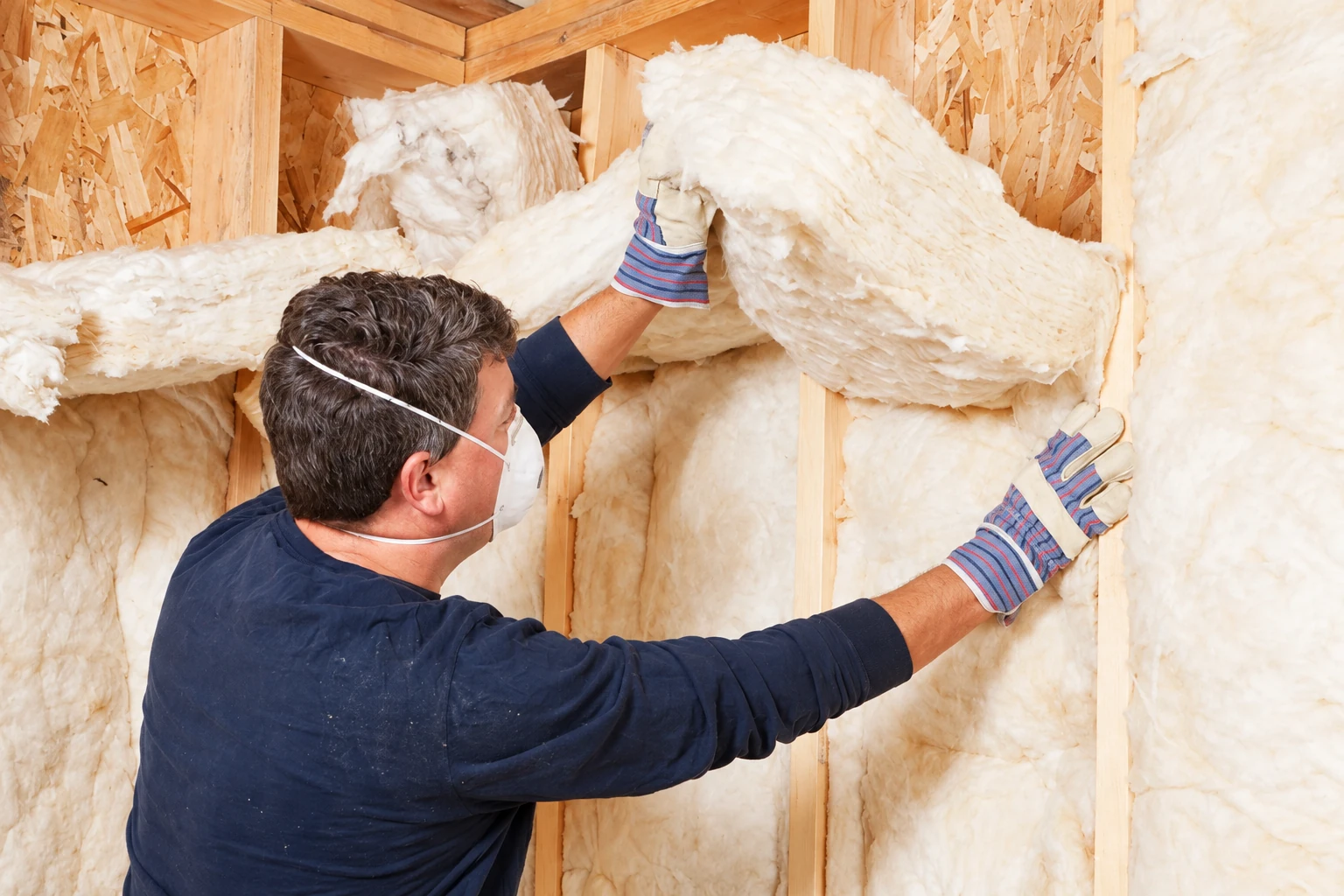
Soaked by a roof leak
Insulation that got wet usually stays matted and stained after it dries, and new material laid on top keeps the problem in your attic. Get the leak fixed, then the wet stuff comes out.
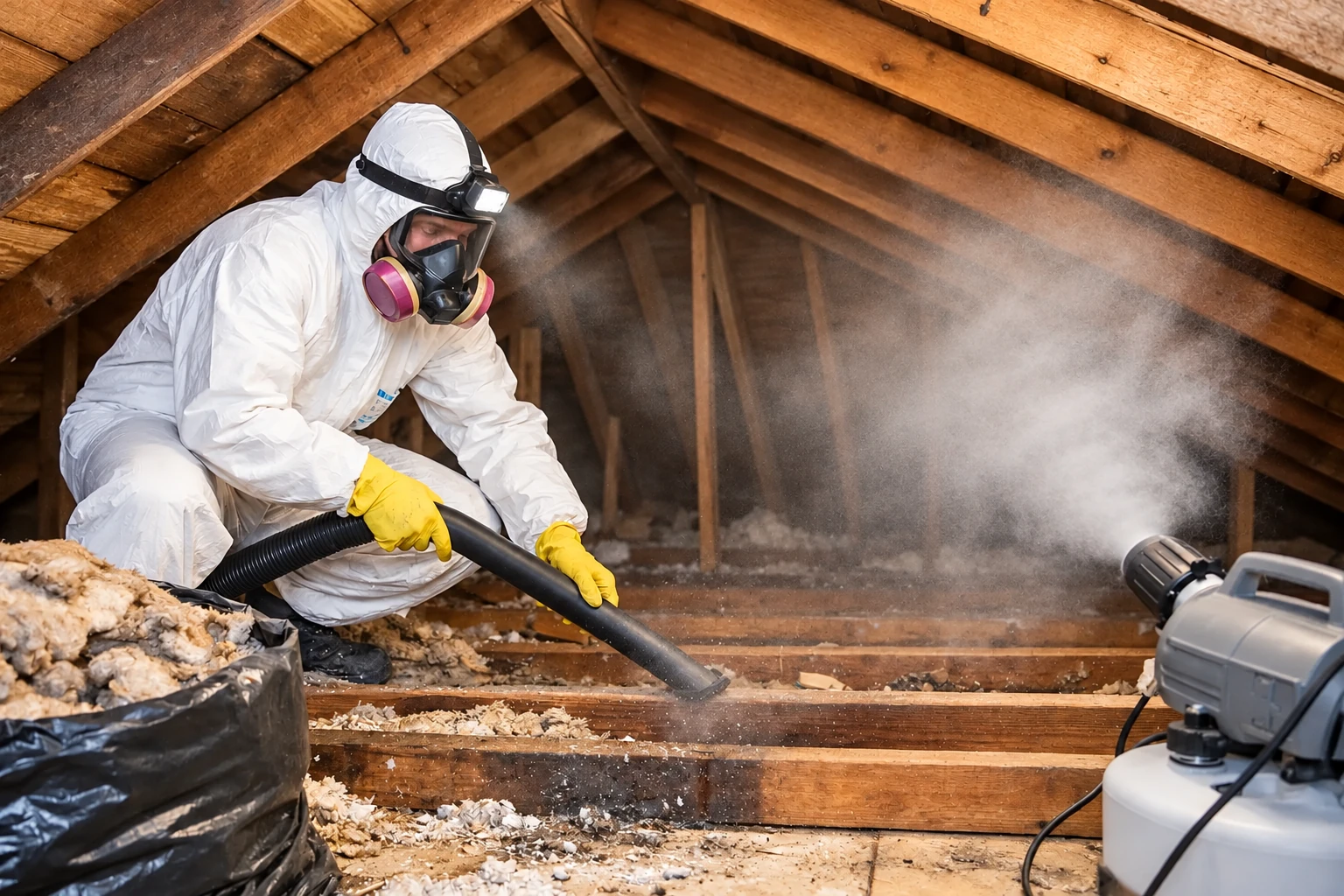
Old insulation that's soaked, full of droppings or flattened gets looked at, photographed and explained first, then cleared so new insulation can do its job.
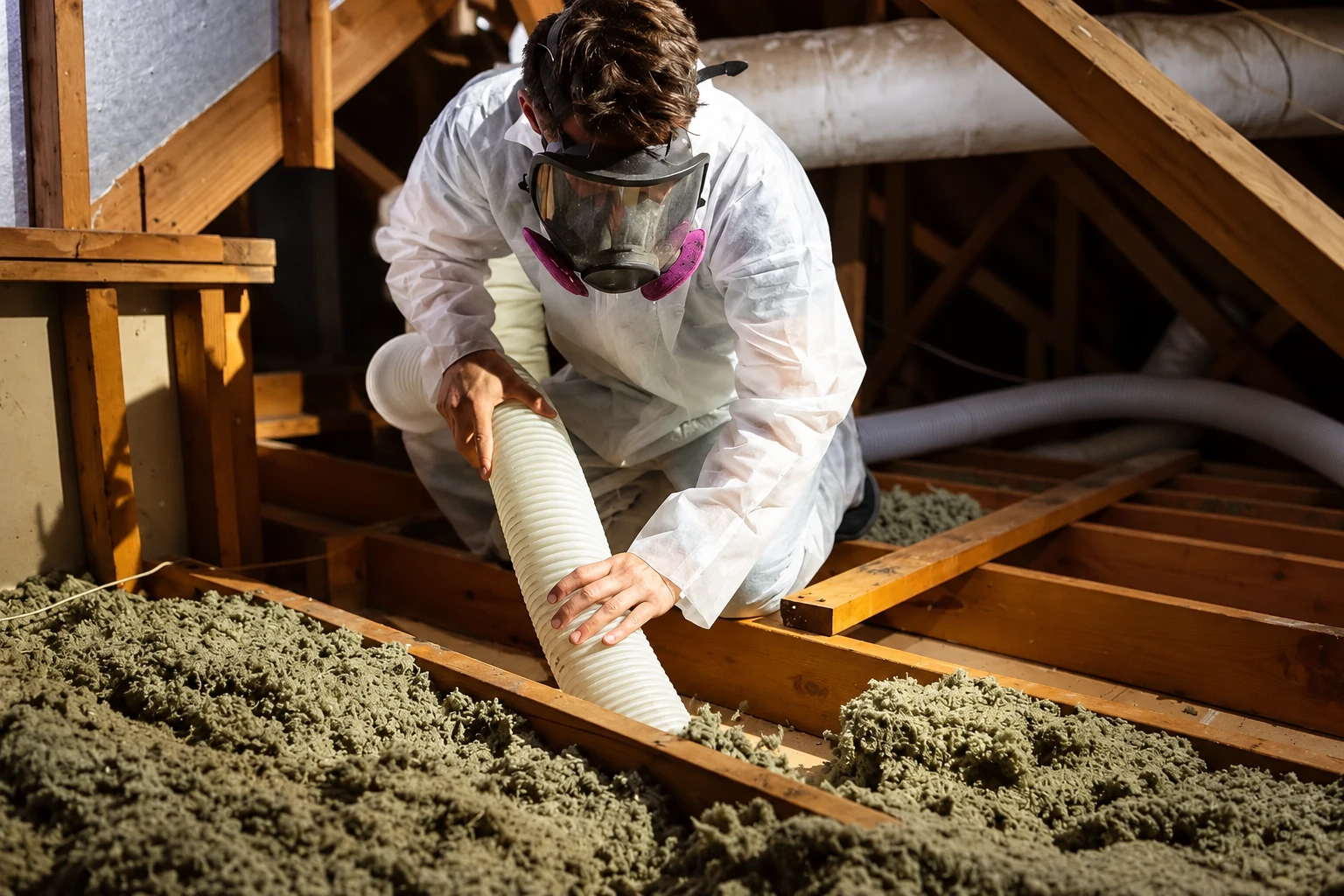
Insulation removal in Pico Rivera takes the old insulation out of your attic or walls so it's handled safely and the space is ready for something that works, and it starts with me looking at what's up there before anyone touches it.
The price moves with how big your attic is, how many inches are already up there, what's mixed into them, how easy the space is to reach and what you want put back. The schedule turns on what I find, because a roof leak, old wiring or possible vermiculite has to be sorted out before anything else happens. Before work starts, we check with the building office that covers your address, which here is the city's Building Division, and if the job calls for a permit we handle the paperwork and inspections. Your estimate gives you your own figure, with photos of what I found.
If your job uses a roll-off bin, the city's bin permit sets work hours from 7 A.M. to 7 P.M. and puts the bin on your property, in the legal part of the driveway, so we plan the day inside those hours. Asbestos jobs also fall under South Coast AQMD's own rule for renovation and demolition, with survey, notification and work practice steps, so it's worth asking any abatement contractor how they handle them. When new insulation goes back in, several of the state's energy standards for the shell of a house depend on the climate zone it sits in, so what goes back should suit this area. We're based in Pico Rivera and do the same work in Downey, Whittier, Montebello and many other cities around it, plus nearby county areas where the county handles building permits.
You get photos of what I found along with the written estimate, so you can see your own attic and judge the quote against it instead of taking my word.
I spent years doing upkeep for a property management company, crawling through attics between tenants, and started this business in 2020 to do that work carefully for homeowners.
I'm the one who comes out and writes the estimate, our installers do the work, and I go over it with you before we call it done.
I start by going up there myself with a light and a camera, because I want you to see what I see before you see a number. I'm checking how many inches are up there and what shape they're in, and I'm looking for a roof leak, old wiring or droppings, since those get fixed first instead of buried under new insulation. If anything looks like vermiculite, I stop and explain your choices, including leaving it alone, and I'll point you to an asbestos abatement contractor for any removal.
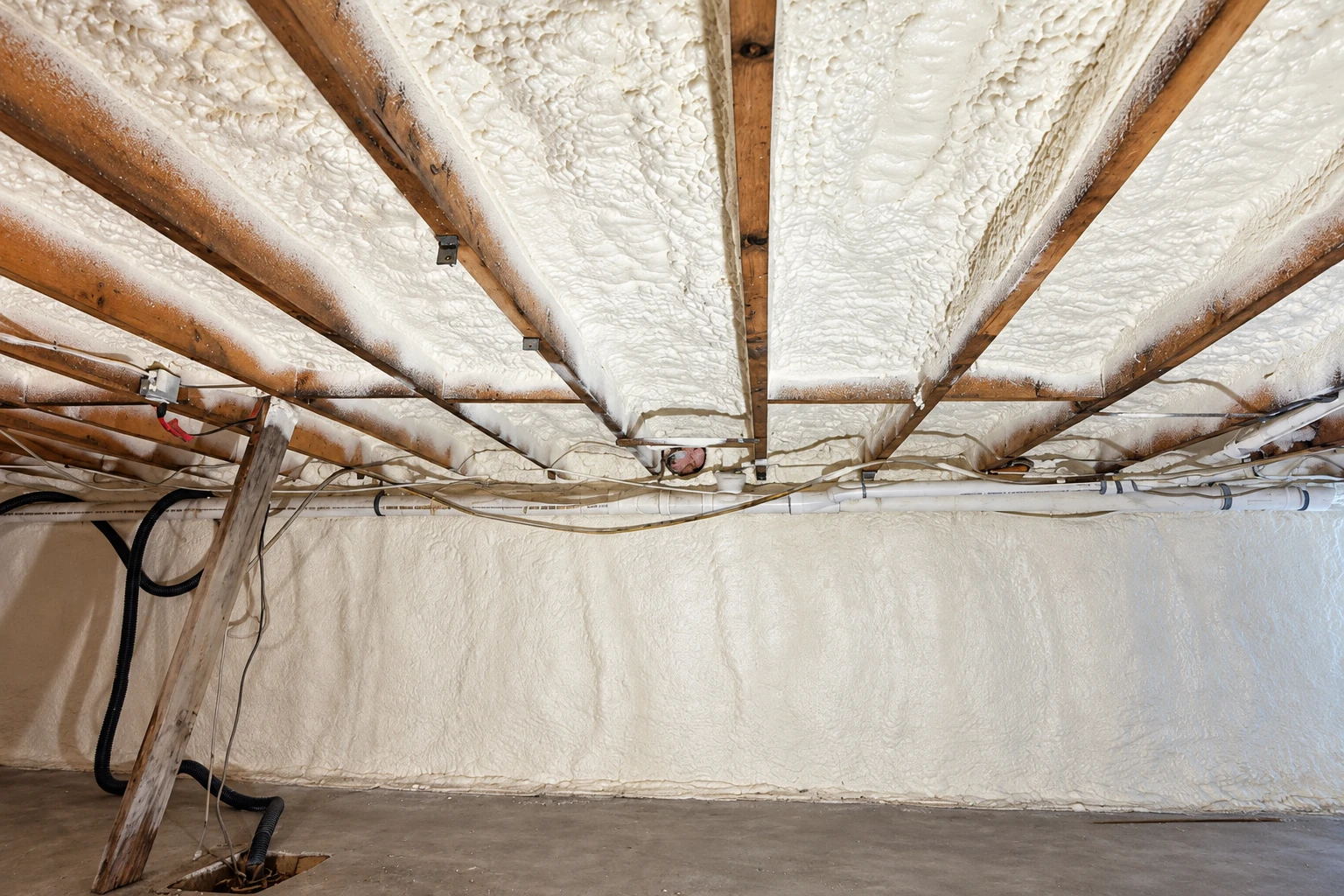
When it's material we can handle, our installers take it out and we talk through what should go back in. That usually means air sealing first, closing the gaps around can lights, pipes and the hatch so the new insulation isn't fighting a draft, then blown-in insulation, loose fill blown through a hose, carried out to the edges with the eave vents kept clear so the attic still breathes. Spray foam costs more and seals while it insulates, and I'd usually only pick it when your ductwork runs through the attic.
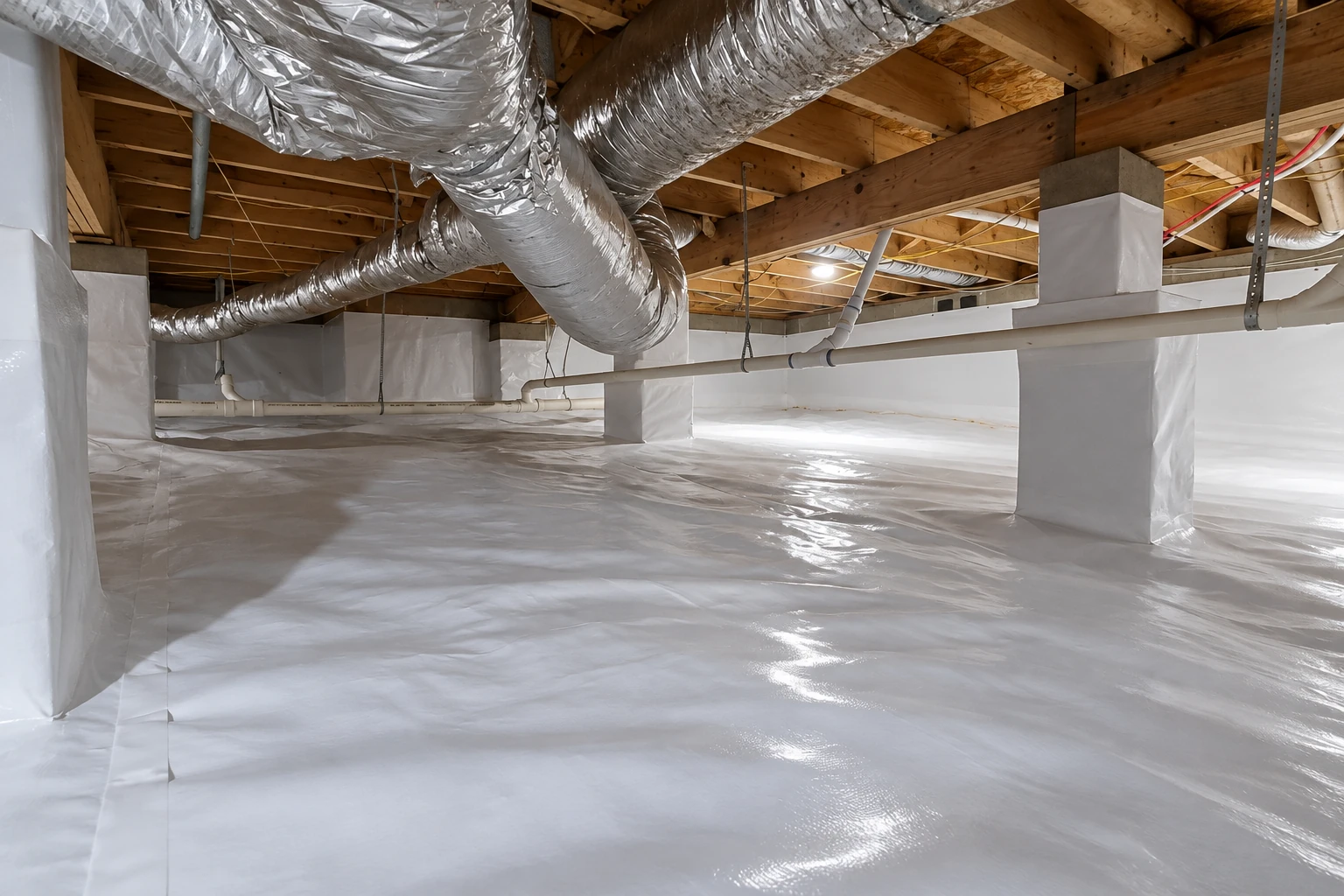
Removal isn't always just the attic. If a remodel has your walls open, that's the time to put wall insulation back properly, and if your floors run cold, the trouble usually sits under the house, where crawl space insulation does more than anything up top.
Insulation that got wet usually stays matted and stained after it dries, and new material laid on top keeps the problem in your attic. Get the leak fixed, then the wet stuff comes out.
Mice and rats tunnel through old insulation and leave droppings behind. Covering that just buries the mess and the smell, so it comes out before anything new goes in.
An electrician can't check old wiring under a thick layer, and a roofer chasing a leak needs to see the underside of the roof. We talk it over first, since some older material shouldn't be disturbed.
In older houses we often find a few packed-down inches, piled in the middle and bare at the edges. Sometimes starting clean makes more sense than topping up something that never covered right.
Send the form and we'll get back to you within one business day to set a time. I come out, look at your attic, and you get a free written estimate with photos and no obligation.
The square footage of the house gets me close, since the size of the attic drives most of the work and most of the price.
Tell us whether it's fluffy batts, loose fill or pebble-like granules, and roughly how deep it sits, so I know what to look for before I come out.
If walls are opening up or the roof or wiring is due, say so, because that changes the order of the work and some old material shouldn't be disturbed first.
These illustrative photos show bare joists, blown-in fill, batts and foam, so you can point to what you'd like back in your attic.
These are the questions people in Pico Rivera usually ask before old insulation comes out, answered the way I'd answer them in your driveway.
Vermiculite is a loose, pebble-like insulation that was poured in between the joists, and it's usually gray-brown or silver-gold. You can shine a flashlight across it from the hatch without touching it, then describe it when you call. If that's what you have, we'll talk it through on site before anything gets moved.
No. Federal EPA guidance says to treat vermiculite as if it contains asbestos, so either leave it undisturbed or have a trained professional take it out. Disturbing it, even by a contractor working on something else, may leave fibers in other parts of the house. Before a remodel that would disturb it, the EPA advises hiring a professional asbestos contractor instead of doing it yourself.
A trained, accredited asbestos abatement contractor, per EPA guidance, and one separate from whoever assessed it so there's no conflict of interest. State law requires a C-22 Asbestos Abatement classification, or a qualifier who passed the asbestos certification exam, for asbestos work on 100 square feet or more. We're fully licensed and insured, and we leave vermiculite removal to that contractor.
Attic insulation removal in the Los Angeles area usually costs about $2,000 to $6,000 per job. That's the going rate around here, not our quote, and where your house lands depends on the things I listed up top, mostly attic size and what's mixed into the old material. I'll put your own number on paper after I've seen the attic.
In California, installing insulation for heat or sound control is work for a contractor in the C-2 insulation and acoustical class, so it's a fair question to ask whoever you hire. We can put the new insulation in once the old material is out, and the written estimate lays out what we'd use and why.
Our phone hours run 7 AM to 11 PM every day, so call (562) 271-1051 or use the form whenever you've had a look up there.