Building insulation in roofs and walls
Insulation in the roof, walls and ceilings slows heat coming through the shell, so an office or shop stays cooler in summer and the cooling isn't working against a hot roof deck.
Hot offices, sweating ducts or a reroof coming up? We plan insulation around how your building is used so it stays comfortable and dry.
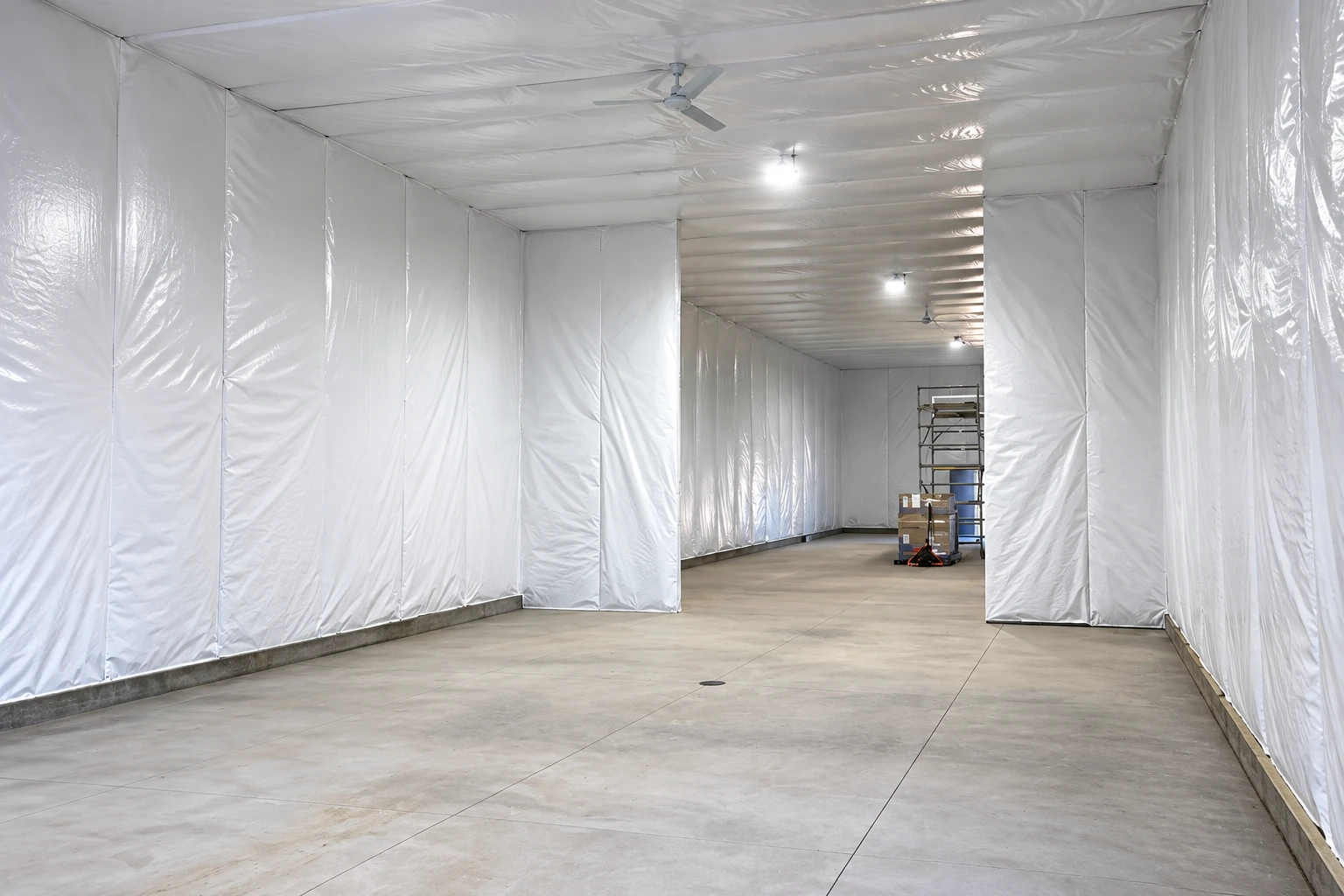
Commercial insulation in Pico Rivera means putting insulation in the roof, walls and ceilings of a shop, office or warehouse, and around its pipes and ducts, to control heat, noise or both so the building is easier to keep comfortable.
Most calls start with something you can feel or see: an office that bakes under a flat roof, a warehouse where the metal sweats, or a shop floor so loud the front office can't take a call. The price comes down mostly to how many square feet need covering, which product suits the space, how much prep it takes and whether old or wet material has to come out first. The schedule turns on the size of the job, whether roof work is coming and whether a permit and inspection are involved, and the written estimate, with photos of what I found, gives you your own figures.
We're based in Pico Rivera and work in many of the cities around it, plus nearby county areas where the county handles building permits. Before work starts, we check with the building office that covers your address, and if the job calls for a permit, we handle the paperwork and inspections.
I go up, look, and take pictures of what's there, then walk you through them in plain words so you know what you're paying for before you see a number.
If I find a leak in the roof or wiring that worries me, I'll tell you to fix it before we insulate, because new material over a problem only hides it.
I spent years doing upkeep in homes where people were living, so our installers keep dust and scraps to the work area and clean up as they go, not just at the end.
I start with what the space is used for and any roof work you have coming, because both shape the plan. A cold storage room, a retail floor and a back office each need something different, and if a reroof is on the calendar, it usually makes sense to insulate the roof in the same job instead of opening it twice.
Our installers start with air sealing, closing the gaps around pipes, conduit and openings, so the new insulation isn't fighting a draft. Anything soaked or full of droppings comes out instead of getting covered. Foam costs more and seals air while it insulates, so I'll recommend it under a roof deck with ductwork running through it, but elsewhere sealing the gaps and using batts or blown-in, loose fill blown through a hose, usually gets you more for your money.
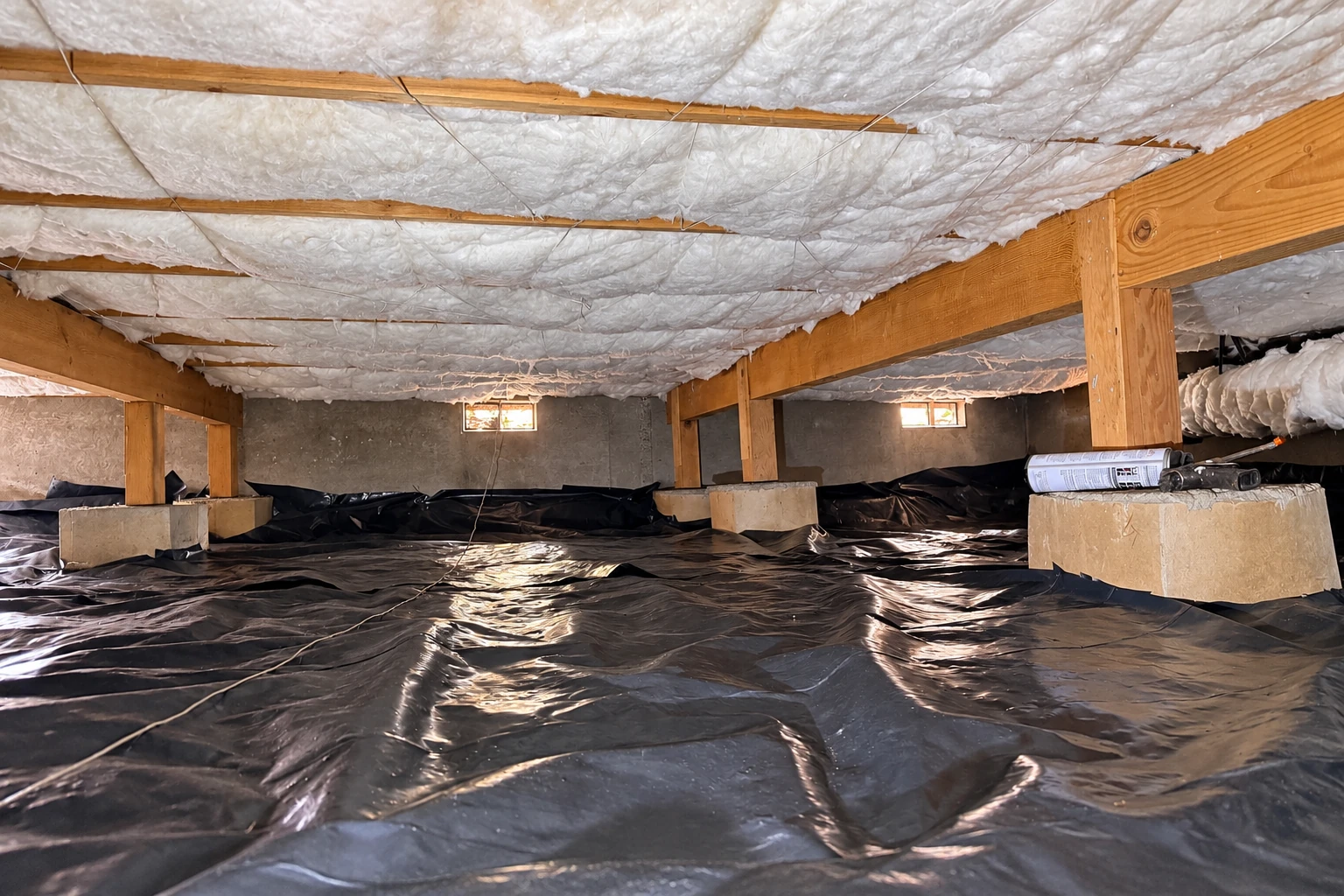
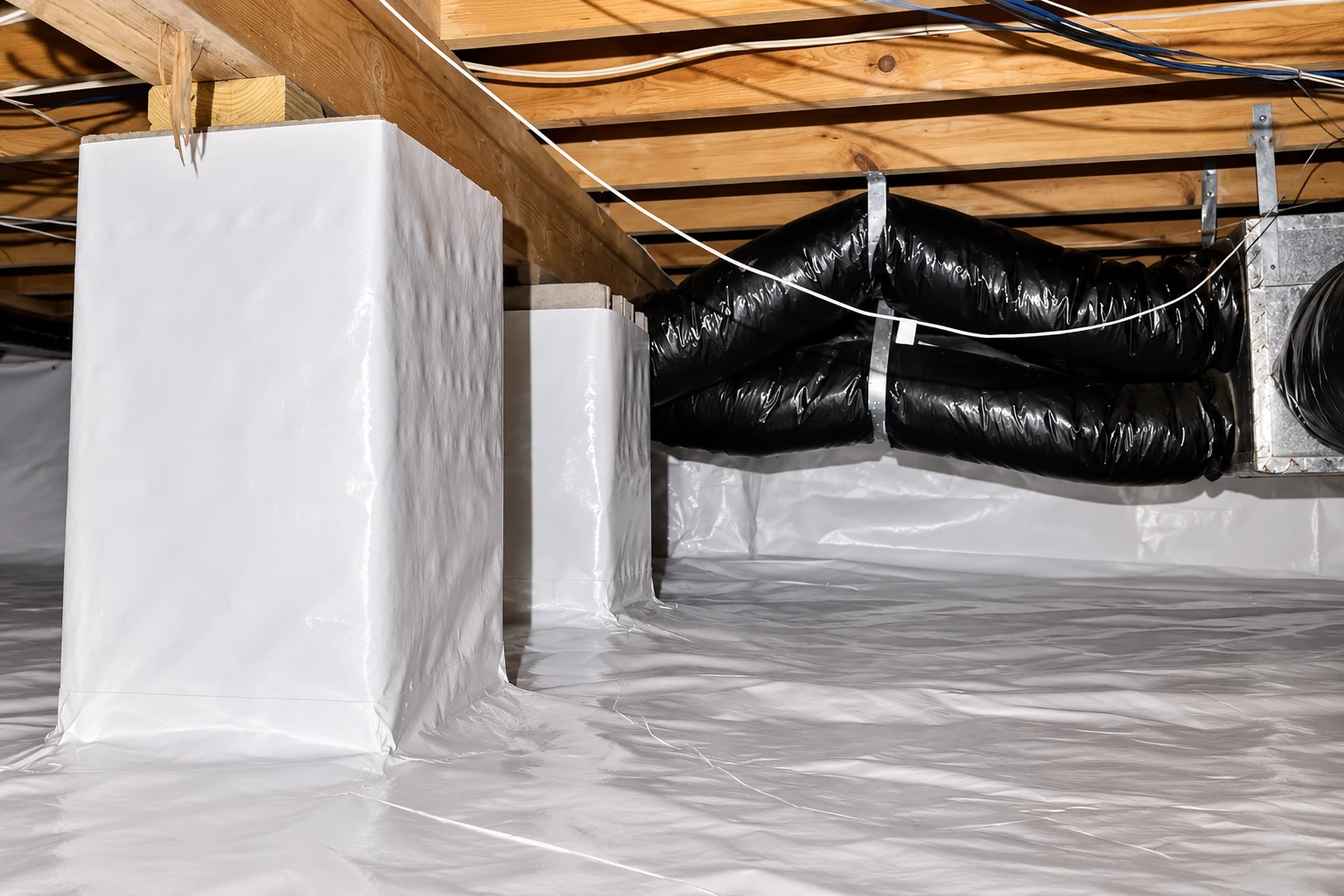
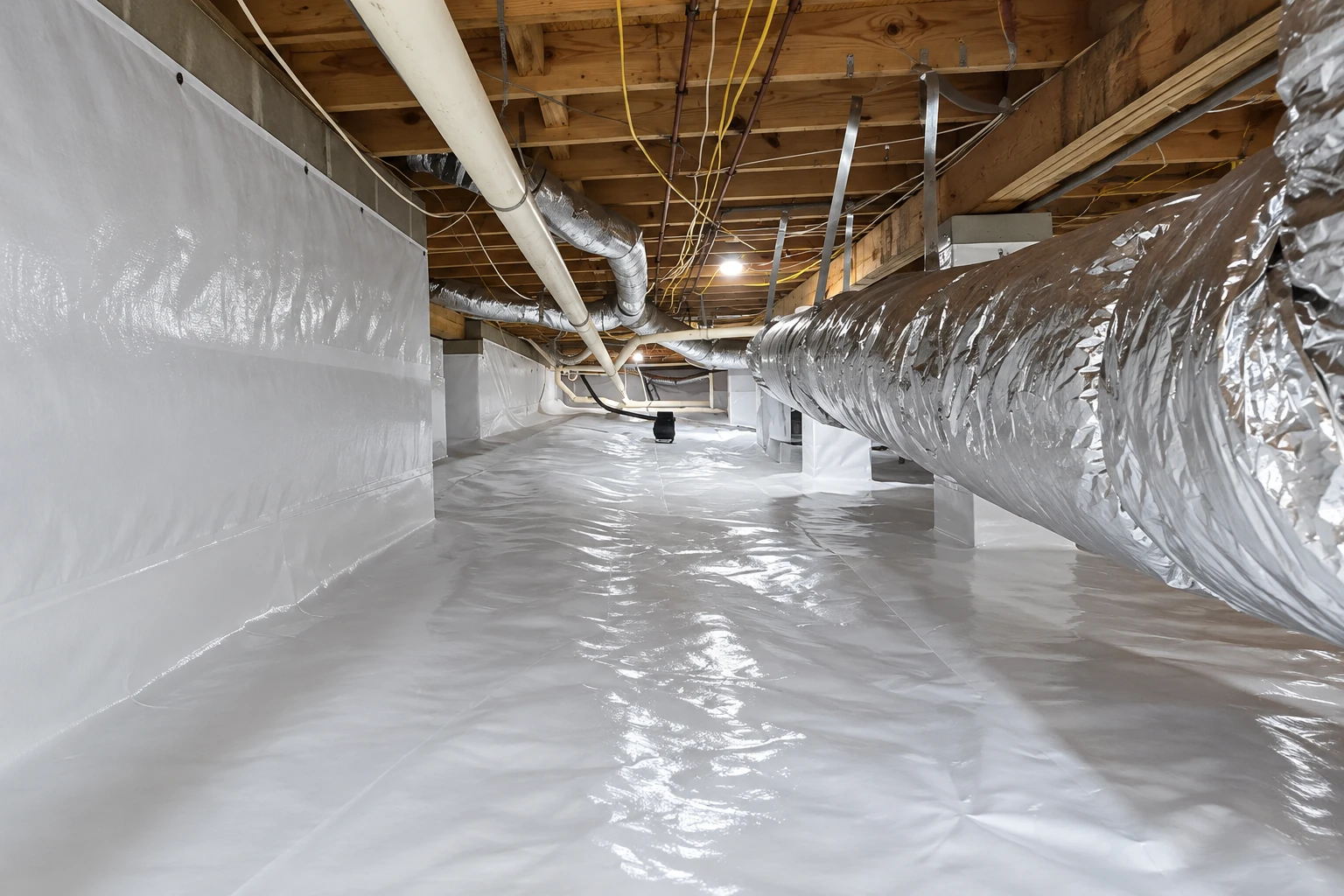
We show you the product information before work starts, so you know what's going into your building. When moisture is the bigger worry, vapor barrier installation may be the right place to start, and if the building sits over a crawl space, a crawl space vapor barrier slows the ground moisture coming up into the floor.
Insulation in the roof, walls and ceilings slows heat coming through the shell, so an office or shop stays cooler in summer and the cooling isn't working against a hot roof deck.
Wrapping pipes, ducts and equipment that run hotter or colder than the room keeps the heat where it belongs, and on cold lines it stops the sweating that drips onto ceilings and feeds mold.
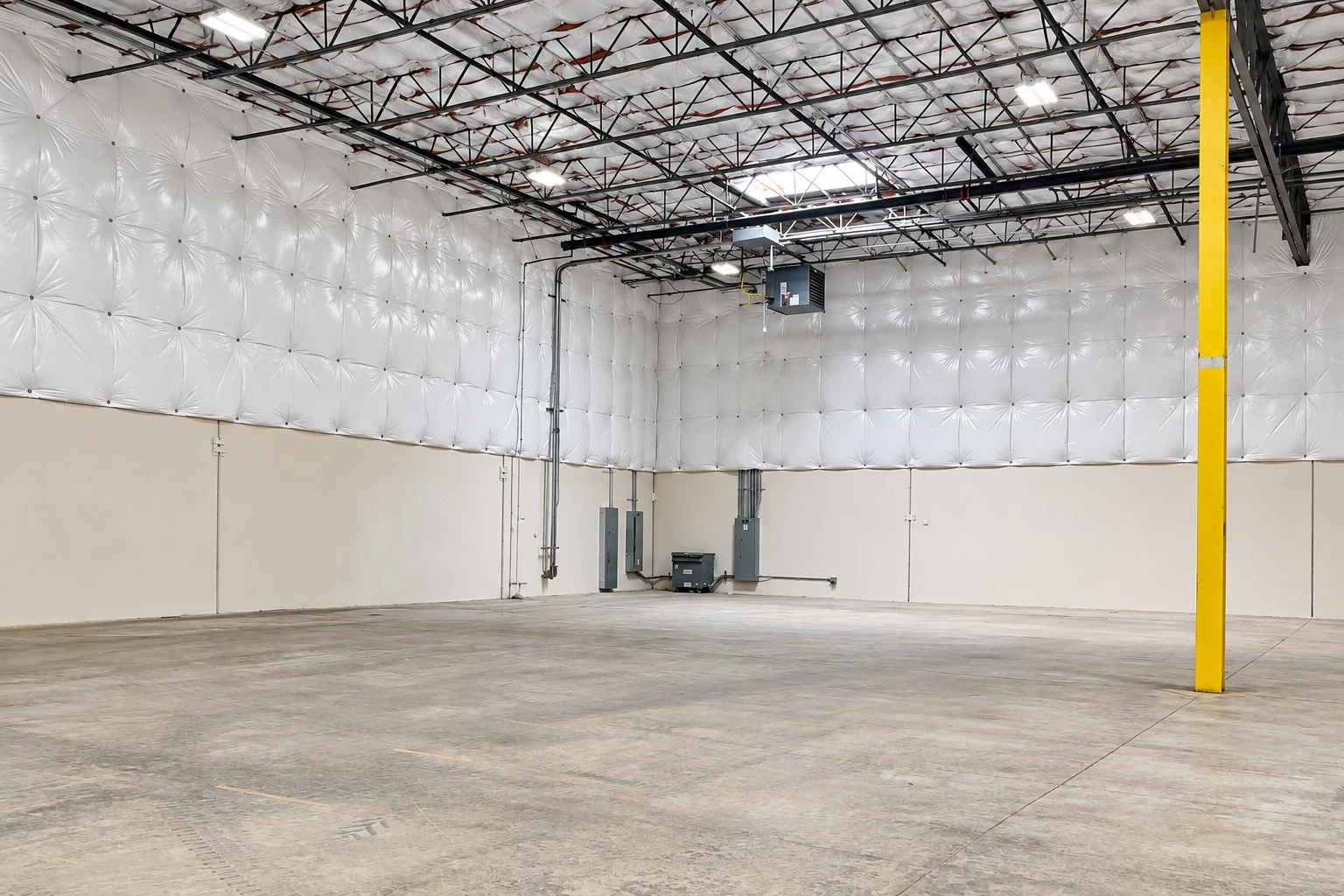
Bare metal walls and roofs can sweat on the inside and let in outside noise. Fiberglass made for metal buildings, put in properly with a vapor retarder, a layer that slows moisture, usually handles both.
Insulation in interior walls and ceilings cuts the noise that travels between a shop floor and an office, which matters when a phone desk or meeting room sits next to loud work.
Send the building type, the square footage to insulate and any roof work you have planned. We reply within one business day to set a time, and I come out for a free on-site estimate with no obligation.
I come out, look at the roof, walls and mechanical lines, and take photos, so the estimate is built on your building and not on a guess from a phone call.
You get the pictures of what I found along with the written estimate, so you can show them to a partner, an owner or whoever signs off on the spending.
Our installers do the work, and I go over it with you before we call it done, so you can ask about anything you see while we're still there. Satisfaction guaranteed.
Examples of faced batts, spray foam under roof decks and wrapped pipes and ducts, to help you picture options for your own building.
Straight answers on cost, permits, licenses and the state rules that shape a commercial insulation job in Pico Rivera.
Insulation installation in the Los Angeles area usually costs about $2 to $7 per square foot, and that's the market's range, not a quote from us. The size of the area is a big part of the total, and spray foam needs more prep than batts, which usually go in with little. Your written estimate gives your own number.
Pico Rivera's Building Division enforces the rules for building and occupying commercial, industrial and residential structures in the city. Projects have to meet the city's code and state codes, fire and energy rules included. You can call the division at (562) 801-4360, Monday through Thursday, 7:30 a.m. to 5:00 p.m.
It can. When a replaced or re-covered roof follows the state's prescriptive, or checklist, path for roofing products, the altered roof area has to be insulated to Energy Code levels. So if a reroof is coming, it makes sense to budget for both together and to tell me about it when I come out.
California's Contractors State License Board has a class for this work, the C-2 Insulation and Acoustical Contractor license, which covers installing insulating material. It's worth asking any contractor what license they hold before you sign. We're fully licensed and insured, and I'm glad to go over that when I come out to look at your building.
California's energy rules let builders install only insulating materials certified by the state Department of Consumer Affairs. Before work starts, you can ask your installer to confirm each product carries that certification, and we're glad to go through it with the product information we show you before we begin.
Insulation left in view needs the right facing. State quality standards require exposed mineral fiber insulation with a facing, the covering layer on batts, to use a fire-retardant facing tested and certified for flame spread and smoke. For an open warehouse ceiling or a back room wall, the facing matters as much as what's behind it.
Call (562) 271-1051 any day from 7 a.m. to 11 p.m., or email sales@picoriverainsulationcompany.com, and mention any roof work coming so we plan both.