A basement you're finishing
When a basement becomes a den or bedroom, the insulation ends up behind drywall for good, so it's worth getting the material right before the framing goes up.
Cold, damp basement walls and a power bill that climbs? We check for water first, then insulate with a material that keeps the wall dry.
Basement insulation in Pico Rivera covers your basement walls with foam, fiberglass or cellulose, inside or out, so the room holds its heat and, with the right material and a careful fit, the wall stays drier.
Most calls start with a cold, damp-smelling basement or a chilly floor in the room above it, and bare concrete walls are usually a big part of that. We're based in Pico Rivera and work in many of the cities around it, plus nearby county areas where the county handles building permits.
The price turns on how many square feet of wall you have, which material goes on, whether the walls are bare or already framed, and whether a leak or crack has to be fixed first. That repair is also what moves the schedule most, since nothing goes on a wet wall, and your own figure comes on the written estimate.
I'd rather tell you to fix a leak or crack first than cover it with new insulation. You hear about it before the quote, not after the drywall goes up.
I walk you through what I find on the wall and why it matters, so you understand your own basement and can spot a bad shortcut if someone offers one later.
Our installers do the work, and I go over the finished wall with you before we call it done, so the person who quoted the job sees it through.
Before I talk about materials, I look at the wall itself. I check for damp spots, white crusty residue and water lines on the concrete, plus cracks or bowing in the foundation, because a basement wall has to stay dry and sound once something covers it. If I find a leak or a structural problem, you'll hear about it before I price the insulation.
Once the wall is dry, we choose the material, and I'll explain why some hold dampness against the concrete and others don't. On most basement walls I lean toward closed-cell foam insulation, a dense spray foam that seals air while it insulates, because on concrete that can pick up moisture it's worth the extra cost. We also install open-cell foam insulation, and the questions below cover how the choices compare.
Our installers lay down floor protection, keep the work area closed off and clean up before they leave, because I spent years working in homes where people were living and I know what a mess costs you.
When a basement becomes a den or bedroom, the insulation ends up behind drywall for good, so it's worth getting the material right before the framing goes up.
A chilly floor over the basement often traces back to the rim joists, the wood band resting on top of the foundation, where gaps let outside air in around the edges.
If boxes come out damp or the basement smells musty, the water source gets found before anything else goes on. Once the wall is dry, the right insulation helps it stay that way.
Owners of older houses, landlords and property managers call us because a problem that gets covered up costs more later. We look closely at the old wall before suggesting anything goes over it.
Send the form and we'll get back to you within one business day to set a time. I come out, look at the walls and leave a written estimate with photos, free and with no obligation.
Add up the length of the basement walls and multiply by their height, so you have a rough square footage ready. It gives us a starting point before I come out.
Tell us about damp patches, puddles, musty smells or cracks you've noticed in the foundation. Those point me to the first thing I'll check, and they can change what the job includes.
Let us know whether the walls are bare concrete or already framed and drywalled, because finished walls change what I can see and how the insulation goes in.
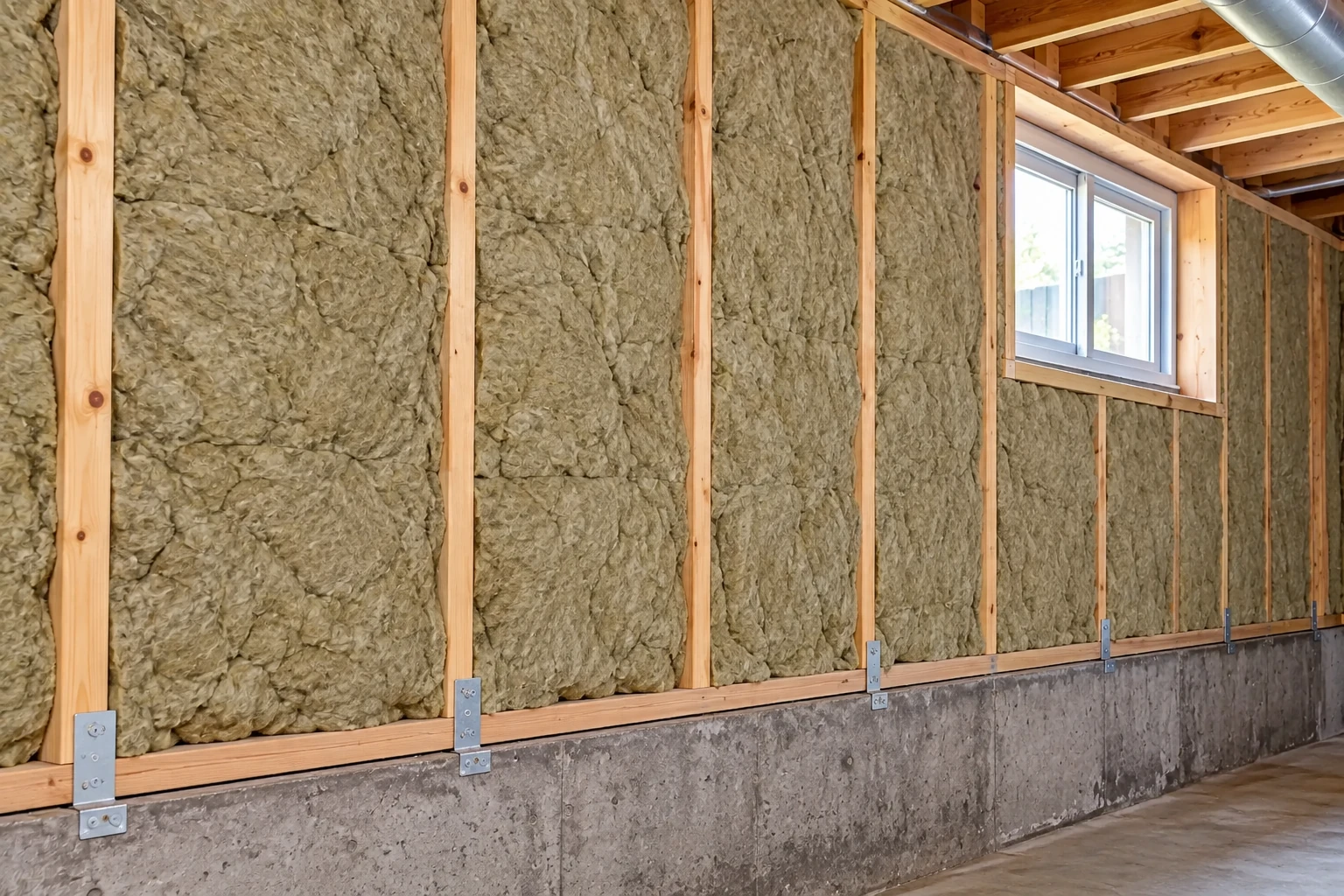
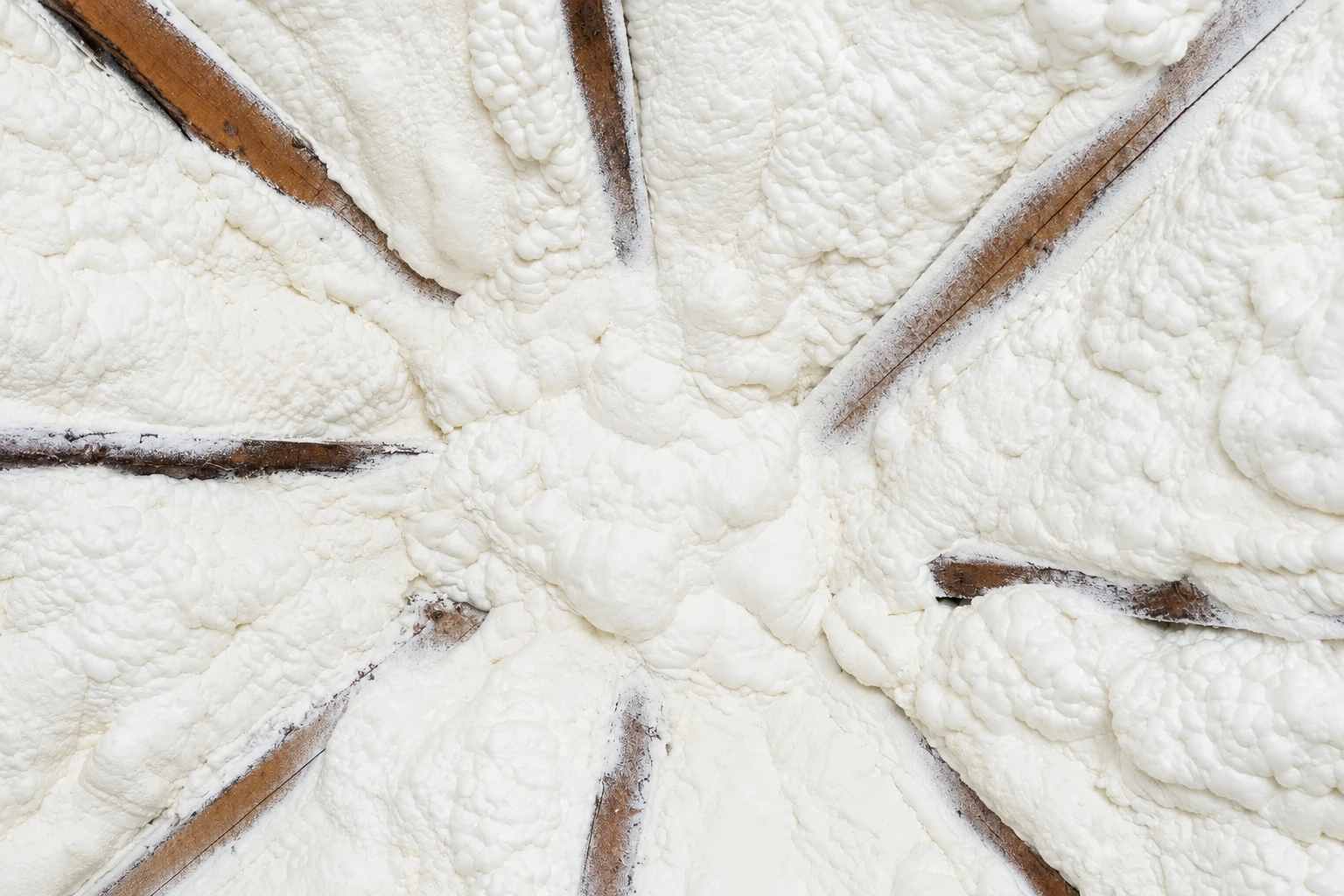
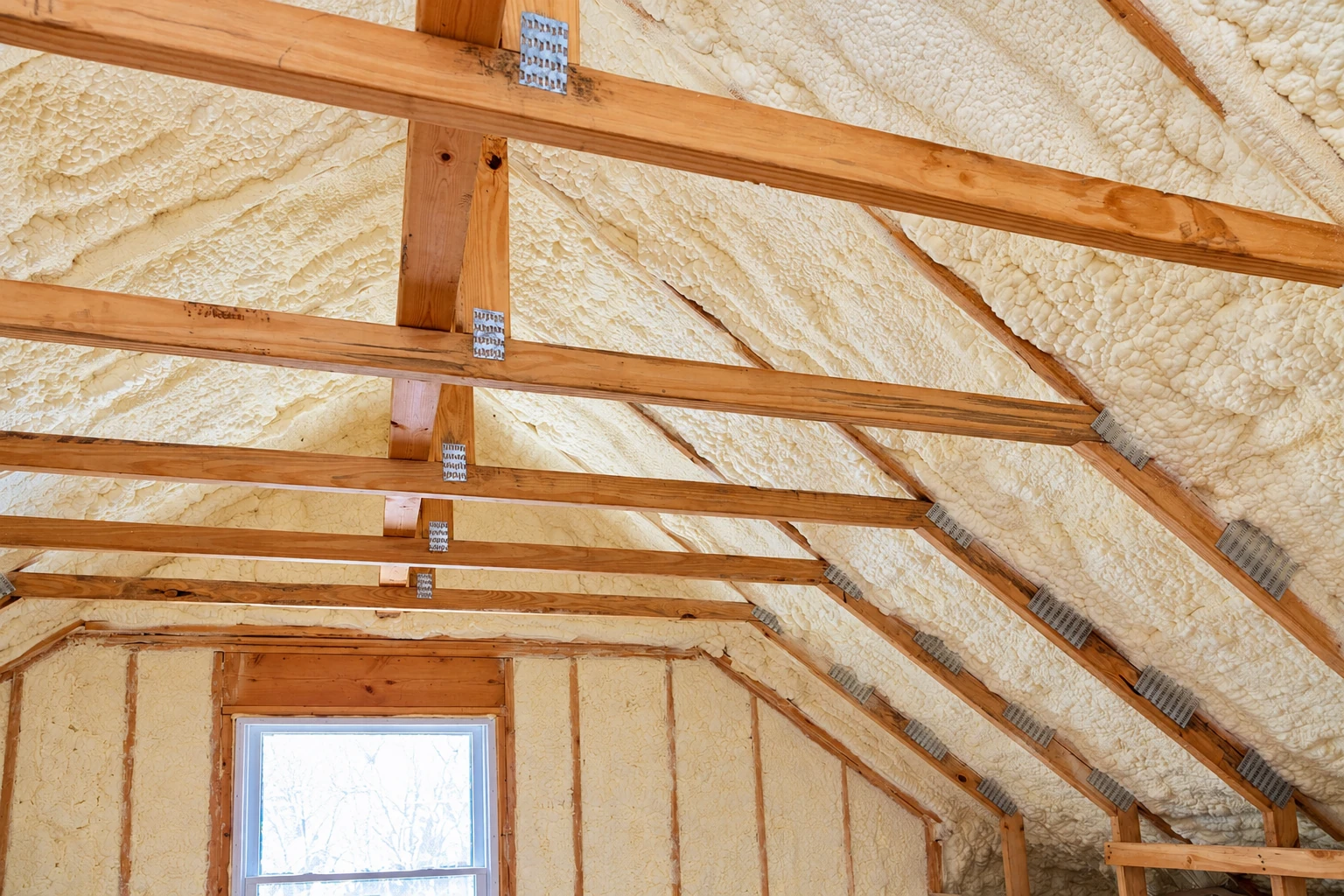
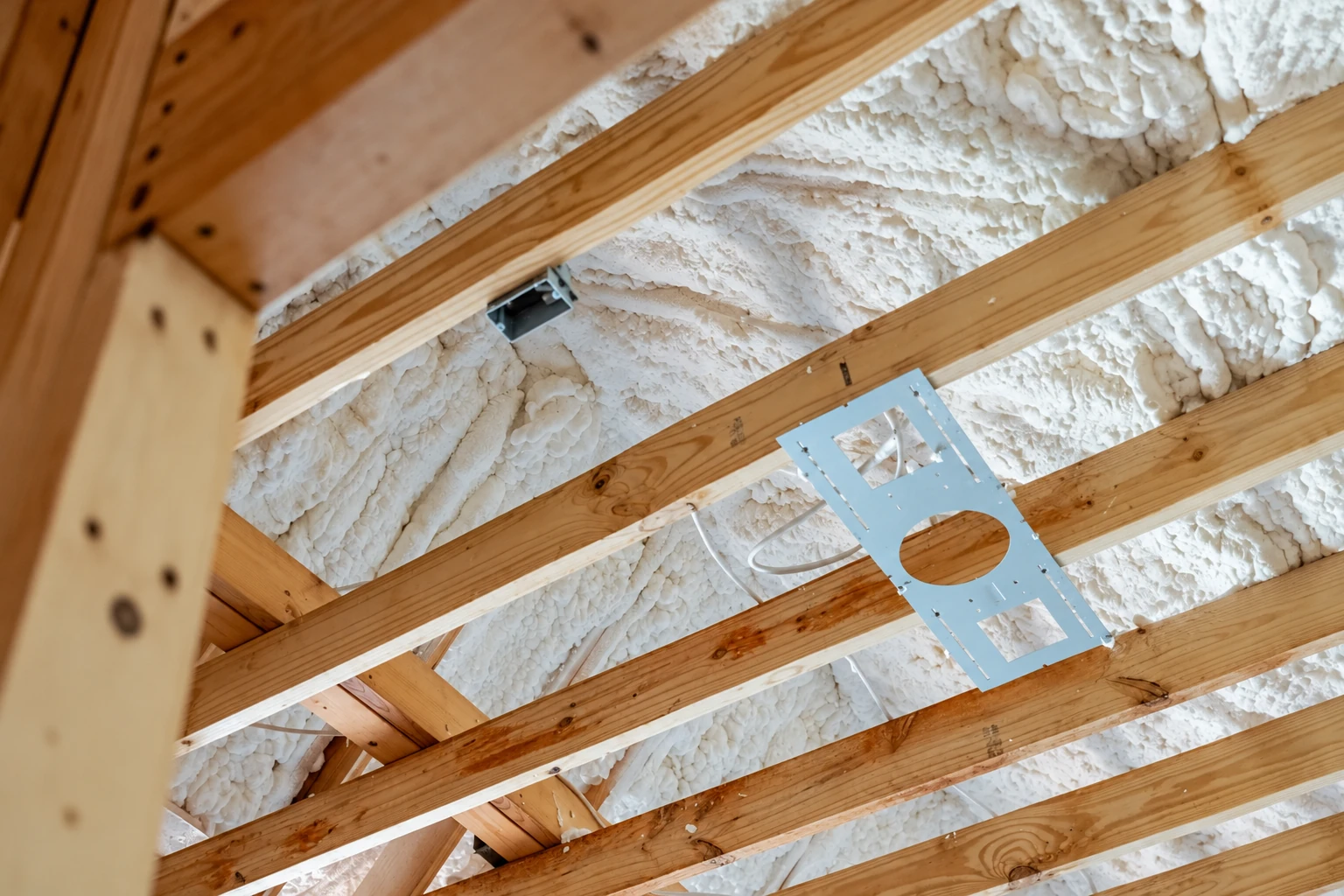
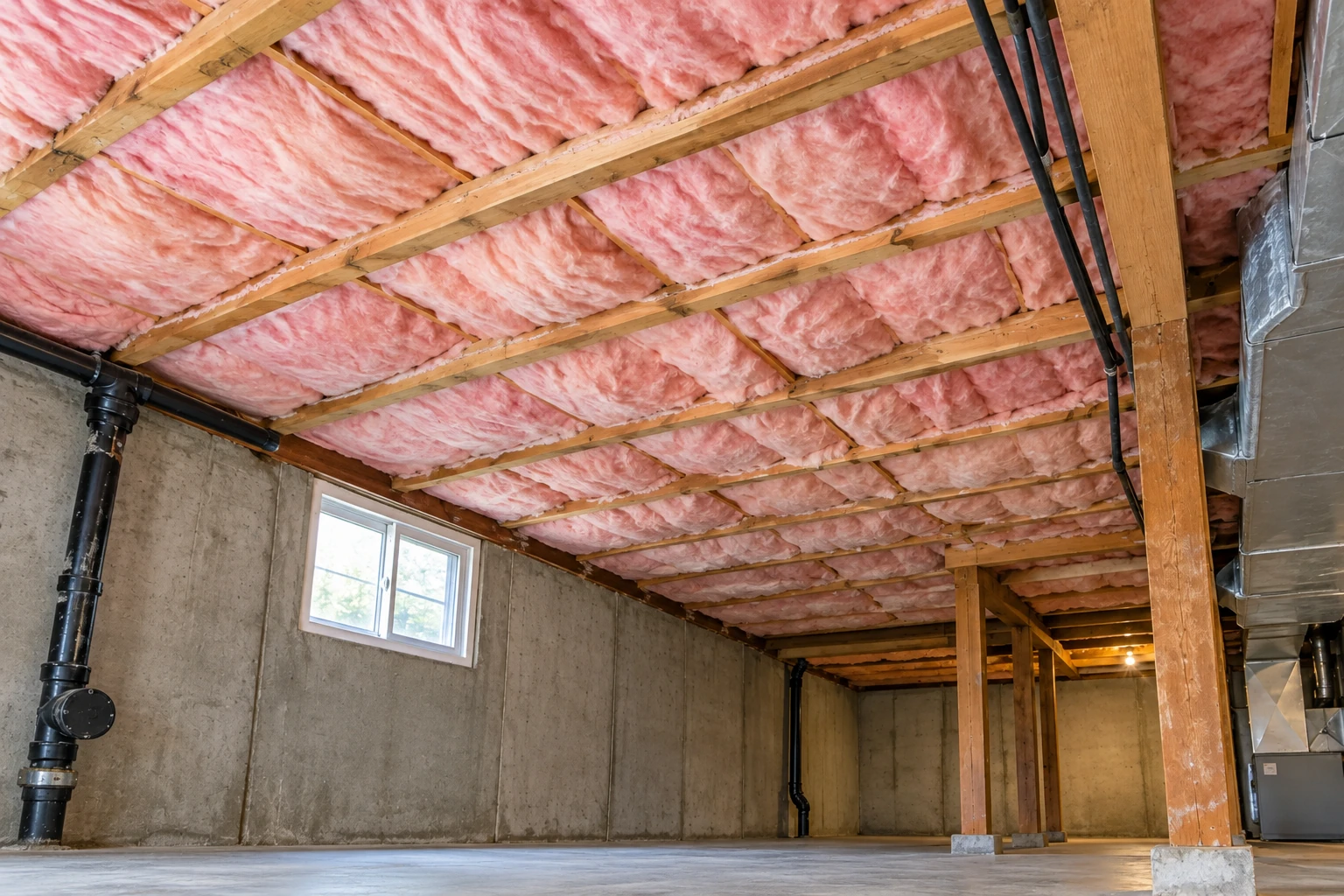
These illustrative photos show sprayed foam, foam board and finished basement walls, the kinds of materials and layouts we can talk through at your estimate.
Straight answers on cost, materials, what gets fixed first and who to call at the city about a basement job.
Basement insulation in the Los Angeles area usually costs about $1.50 to $4.50 per square foot, as a general guide for the area rather than our price. Your own figure comes on the written estimate after I've looked at your walls and checked them for water.
Closed-cell spray foam usually works best, because national guidance rates it the best moisture control of anything used inside basement walls. Fiberglass or cellulose against the wall can soak up moisture and stay damp, and plastic sheeting on the inside traps that dampness in the wall. Open-cell foam blocks air well but has to go on thicker to protect against vapor.
Any water coming through the wall and any structural problem in the foundation get fixed first. National guidance says to stop leaks and steer water away from the foundation walls before insulation goes in, and warns that insulating over a foundation with structural problems can hide them and sometimes make them worse. That's why the repair comes first, while the wall is still in plain view.
Yes, spray foam has to be covered, either with ignition-barrier paint, a coating that slows fire from reaching the foam, or with drywall. If you choose foam, plan on that cover as part of the same job, so it shows up on the estimate instead of as a surprise later.
California's contractor classes include one for this work, the C-2 Insulation and Acoustical class, which covers installing any insulating material for temperature or sound control. It's fair to ask any contractor what license they carry before you sign. We're fully licensed and insured.
Reach the City of Pico Rivera Building Division at (562) 801-4360, by email, or at its counter at 6615 Passons Boulevard, open 7:30 a.m. to 5:00 p.m. Monday through Thursday. It enforces the building rules for homes in the city, so before work starts we check with the office covering your address and, if the job calls for a permit, handle the paperwork and inspections.
If you're planning to frame the basement, call (562) 271-1051 or send the form while the bare wall is still easy to check.