
Bare dirt under the house
Plenty of older houses around here have nothing over the crawl space dirt at all. A ground cover is usually the first thing I'd suggest down there, before any insulation goes into the floor above.
Musty smell or bare dirt under the house? We cover the crawl space floor so moisture and soil gases have a harder time getting in.
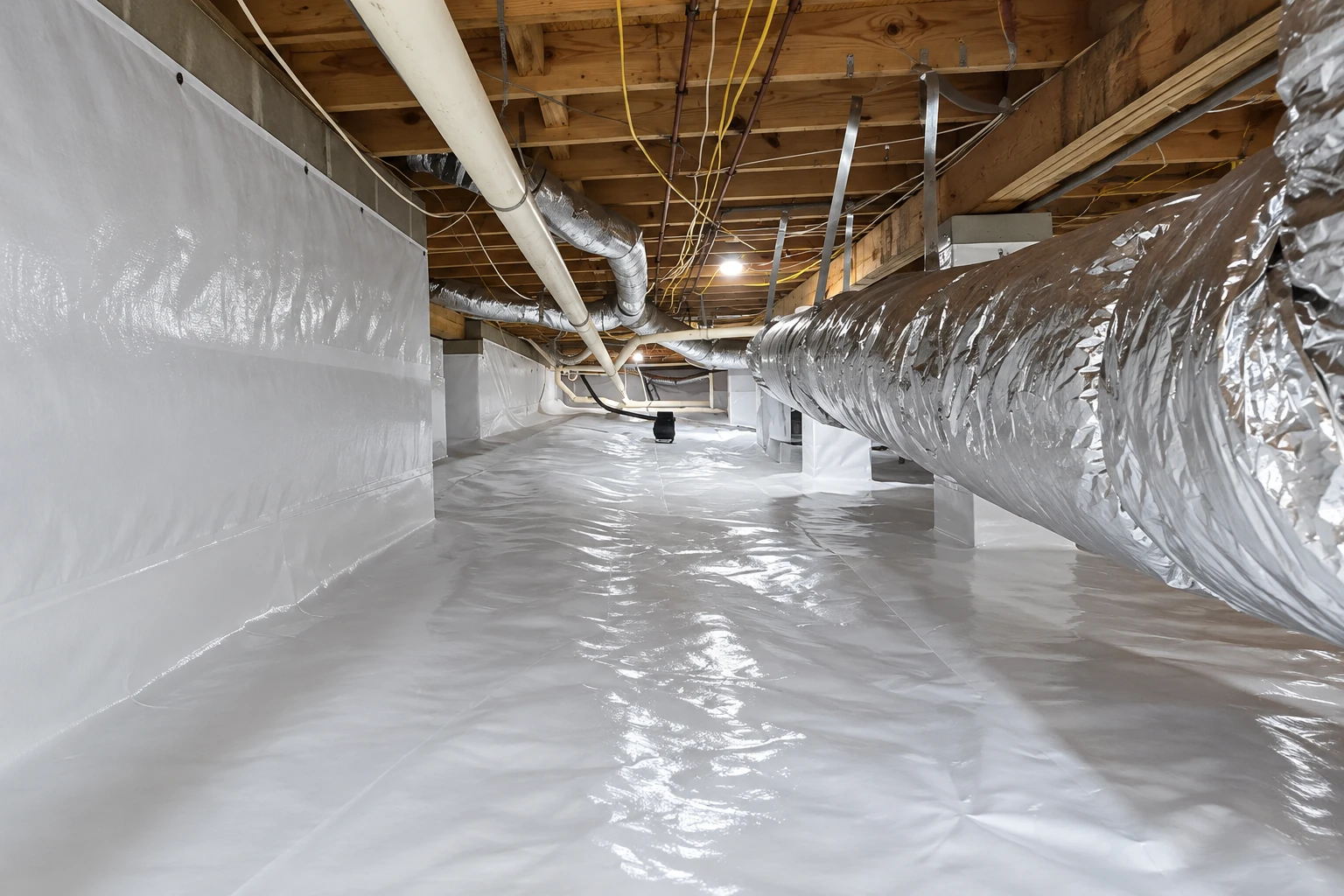
Vapor barrier installation in Pico Rivera means our crew lays a heavy plastic ground cover across the whole dirt floor of your crawl space, which slows moisture coming up from the soil and helps keep soil gases out of the house.
The price mostly turns on how big the crawl space is, how thick a cover you pick, how easy it is to get in and move around down there, and whether old plastic or junk has to come out first. The schedule turns on what I find, because a leak or other problem under the house gets fixed before the cover goes down. The written estimate, with photos of what I found, gives you your own number.
We're fully licensed and insured, and before work starts we check with the building office that covers your address, city or county, and handle the paperwork and inspections if the job calls for a permit.
I crawl under, take pictures of what's down there and hand them to you with the written estimate. You see the dirt, the old plastic and any damp spots for yourself.
If I see a plumbing leak, a soggy corner or old wiring, I tell you before we quote the cover. Burying a problem under plastic just means you find it later, at a worse price.
I spent years working in houses where people were living, so our installers keep the mess contained, watch the path to the crawl space opening and leave the area clean when they're done.
It starts with me under your house with a flashlight and a camera. I look at the dirt, any old plastic, the pipes and wiring, and any sign of water, and if something like a leaking pipe or old wiring worries me, I'll tell you to fix that first, because a new cover over a live problem only hides it.
Before install day, we ask you to clear out anything stored down there so the cover can reach every corner. Our installers rake out debris and sharp rocks, roll the sheet across the whole floor, overlap the seams and run it up the walls and around the piers so no dirt is left showing at the edges. They lay it so water under the house still drains the way it already does, and I go over the finished cover with you before we call it done.
Thickness is the one real choice you'll make, and I'll explain how a cheaper sheet compares with one that lasts longer, with the numbers in the questions below. A ground cover handles the ground, so if the house is still drafty or the power bill is still high, the fix is usually higher up, with attic air sealing to close the gaps where heated and cooled air escapes, or retrofit insulation added to the floors and walls of a house that's already built.
Plenty of older houses around here have nothing over the crawl space dirt at all. A ground cover is usually the first thing I'd suggest down there, before any insulation goes into the floor above.
Thin sheets get torn up over the years by plumbers, cable installers and pest crews crawling through. We pull out what's ruined and lay a new cover instead of patching holes that keep coming back.
Closing the vents and insulating the crawl space walls depends on a good ground cover underneath. We plan the two together so nothing gets done twice or torn out later.
Landlords and property managers often call us when a unit is empty, because that's the easiest time to get under the house. The photos with the estimate let you decide without driving over.
Send the form and we'll get back to you within one business day to set a time. I come out, look under the house and give you a free written estimate with photos, with no obligation.
The square footage of the house is close enough to start with. It tells me roughly how much material we're talking about and how long our installers will be under there.
Tell us where the access hatch or opening is and whether it's tight or blocked. Access decides how easily our installers can move material in and out, so it matters for the plan.
Mention musty smells, damp dirt, puddles after rain or a past plumbing leak. I'll check those spots first when I'm under the house, so the estimate covers what's really going on.
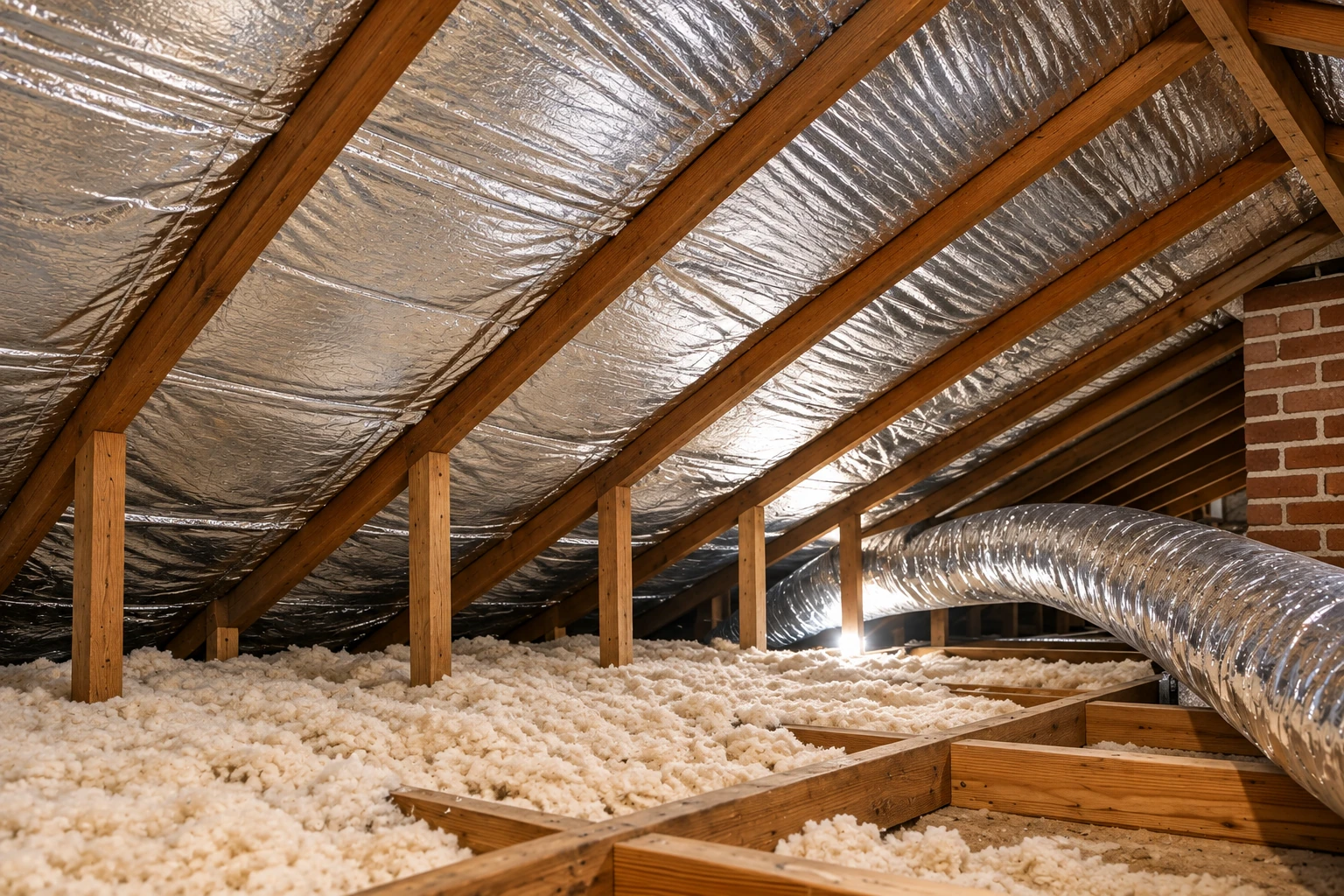
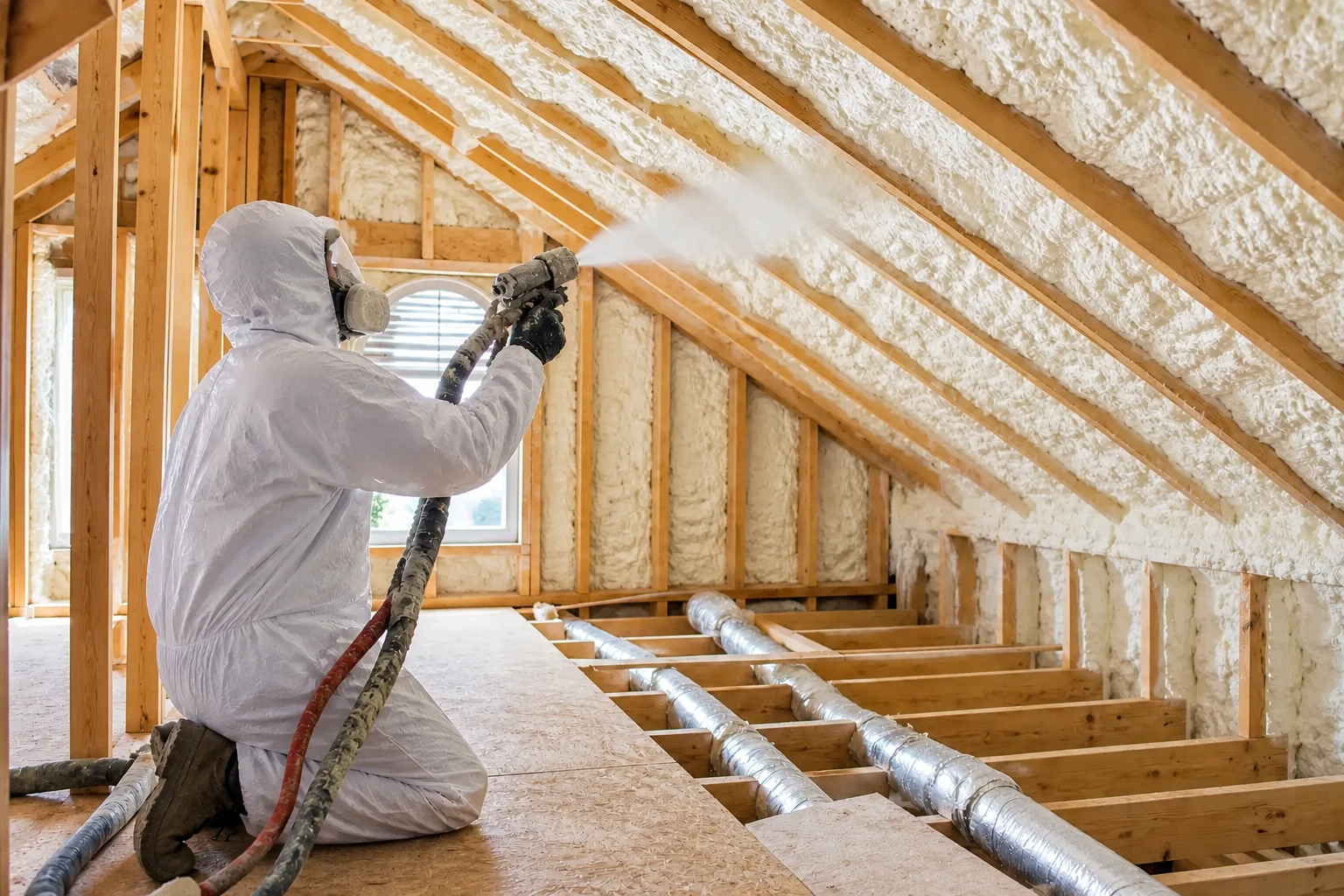
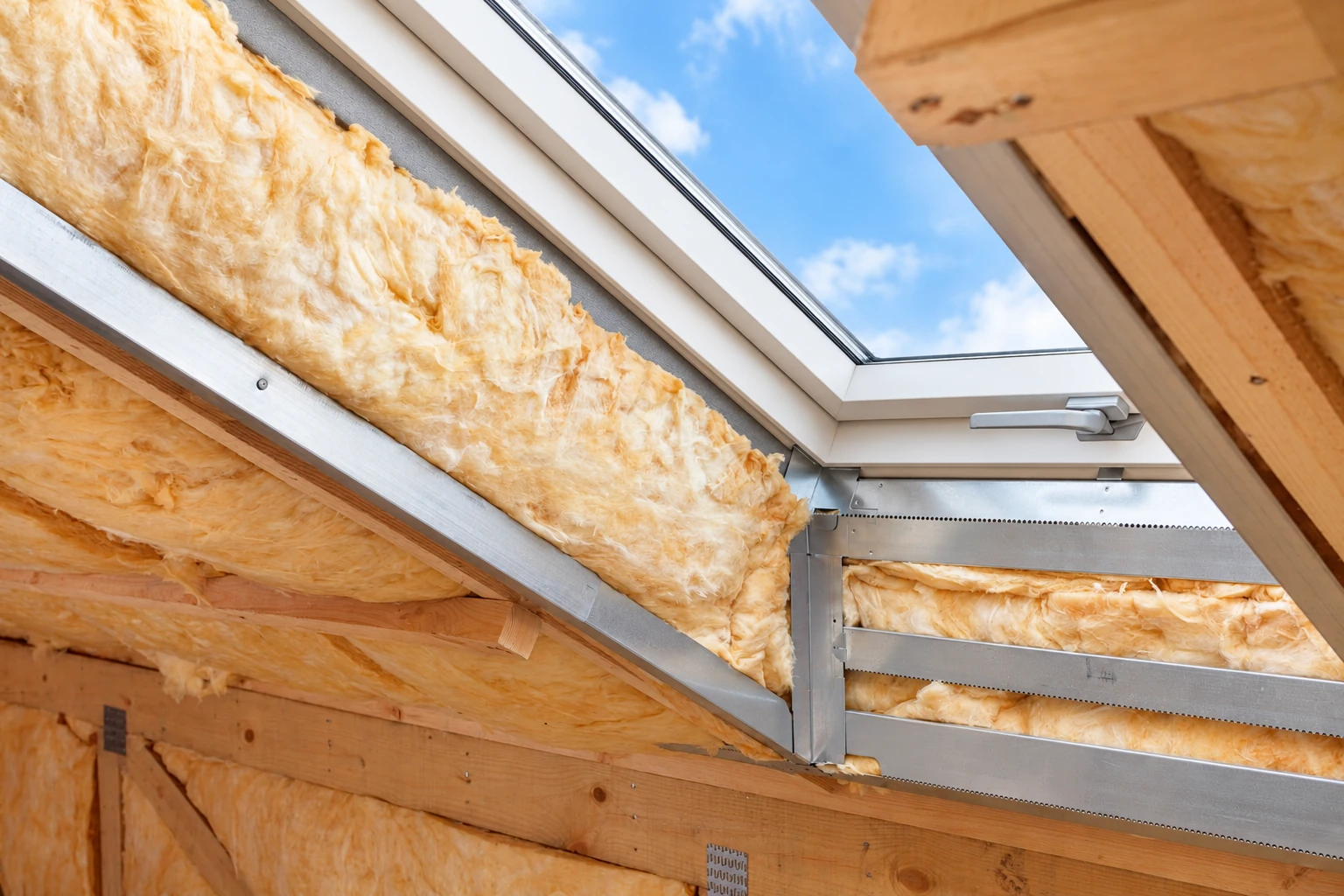
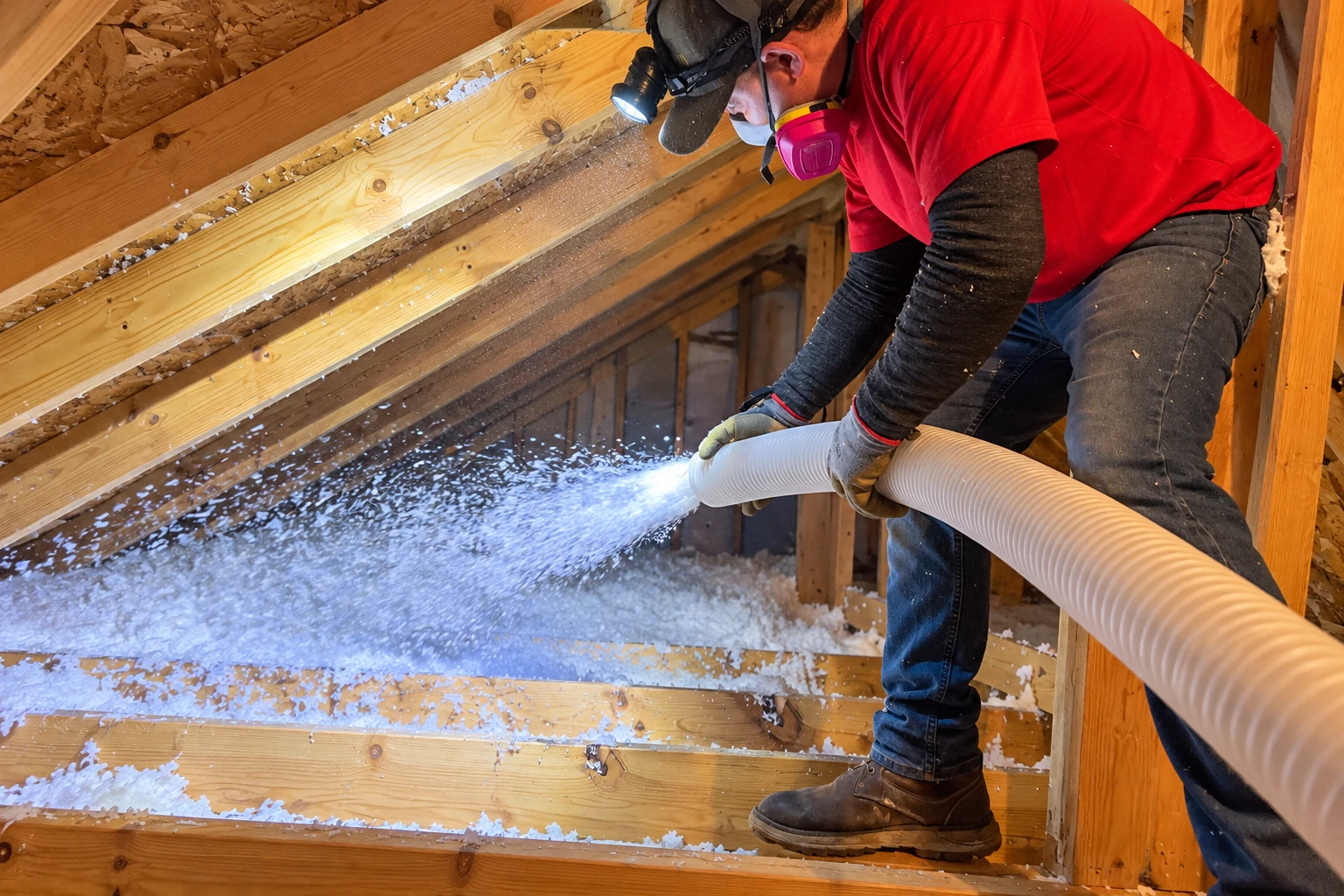
These photos show ground cover thicknesses, seam overlaps and wall edges we can talk through when choosing what goes under your house.
Straight answers on vented crawl spaces, thickness, water problems, permits and who's allowed to do this work in California.
Yes, a ground cover belongs in the crawl space whether you keep the vents open or seal the space. That comes from national Building America guidance for homes in general, not a city rule, and I agree with it, because the soil gives off moisture either way. Keeping or closing the vents is a separate choice we can talk through on site.
One cost guide says a 6-mil contractor grade sheet lasts 3 to 5 years and a 20-mil reinforced barrier lasts 25 years or more, and the thicker one costs more per square foot. Six mil is the thinnest a Department of Energy guide calls for. If you're staying in the house, I usually lean thicker, so you aren't paying for the labor twice.
Water comes first. Building America guidance says drainage and other moisture problems have to be handled before a vented crawl space is sealed and insulated, so leaks or standing water go at the front of the job. If you have a pest control company, ENERGY STAR advises working with them too, so sealing the space doesn't affect their treatment or warranty.
Anyone altering a structure in California needs a license from the California Contractors State License Board when the job needs a permit, uses hired workers or costs $1,000 or more. For small jobs, the board says to make sure an unlicensed person uses no workers and the job needs no building permits before you hire them.
The city's permit list doesn't settle it, since it names work like plumbing and fencing but not vapor barriers, so we ask the city's Building Division about your job before we start. Electrical or plumbing work almost always needs a permit in Pico Rivera, even one new outlet, so adding power under the house changes the answer.
Call (562) 271-1051 any day from 7 AM to 11 PM, or use the contact form, and I'll come take a look under your house.