
Before new insulation goes in
When an existing vented attic gets new insulation, the attic floor gets sealed first, because the gaps are easiest to reach before fresh material covers them. Plan both as one project.
Hot upstairs rooms and a high power bill often trace back to gaps in your ceiling. We find them, fix what comes first, then seal.
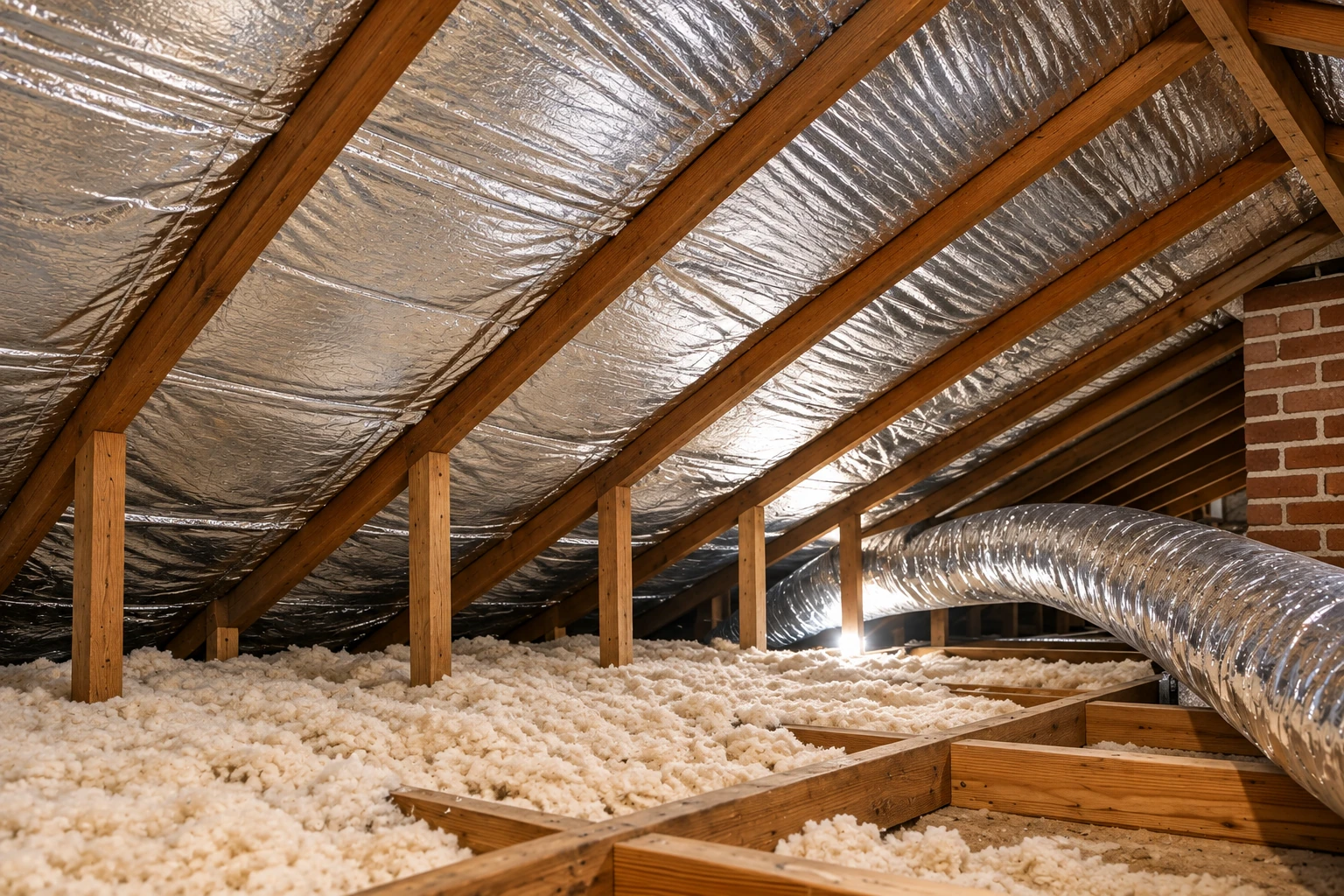
Attic air sealing in Pico Rivera closes the gaps through your ceiling with caulk-type sealant, one-part spray foam or rigid blocking, so attic air stays in the attic. That saves energy, lowers the power bill and helps keep moisture problems out of the attic.
If your upstairs runs hot, the room over the garage never feels right or the power bill climbs every summer, your ceiling is often letting house air and attic air trade places. The price turns on how many openings there are, how easy the attic is to move around in, what your recessed lights need and whether old insulation has to come out first. The schedule turns mostly on anything that has to be fixed before we seal, which the questions below cover, and on whether your address needs a permit. Your own number comes in the written estimate, along with photos of what I found.
We're based in Pico Rivera and work in many of the cities around it, including Downey, Whittier and Montebello, plus nearby county areas where the county handles building permits. A lot of the houses we see around here are older, with decades of wiring and plumbing holes cut through the ceiling and never closed.
I come out myself, go up in the attic and take photos, so you can see the gaps, the wiring and the old insulation in your own house before you decide anything.
If your roof leaks or the wiring is old, I'll tell you to fix that first. Sealing over a problem only hides it until it costs more to fix.
I spent years working in homes where people were living. Our installers step only on joists or boards, keep the dust contained and clean up before they leave.
I start in the attic with a flashlight and a camera, looking at the wiring, the underside of the roof, the bathroom fans and how many inches of insulation are already up there. If something has to be fixed first, you hear it from me before you see a price, because new work over a leak or soaked insulation just covers the problem.
Our installers then seal along the tops of the walls and around wiring holes, plumbing vent pipes, exhaust fans, the chimney, duct openings and the attic hatch. They also close off stairwells, dropped ceilings and dropped soffits, the boxed-down spots over cabinets that often hide the biggest gaps. We leave the soffit, ridge and gable vents open, along with any duct that feeds air to a gas appliance, because those need moving air to do their job.
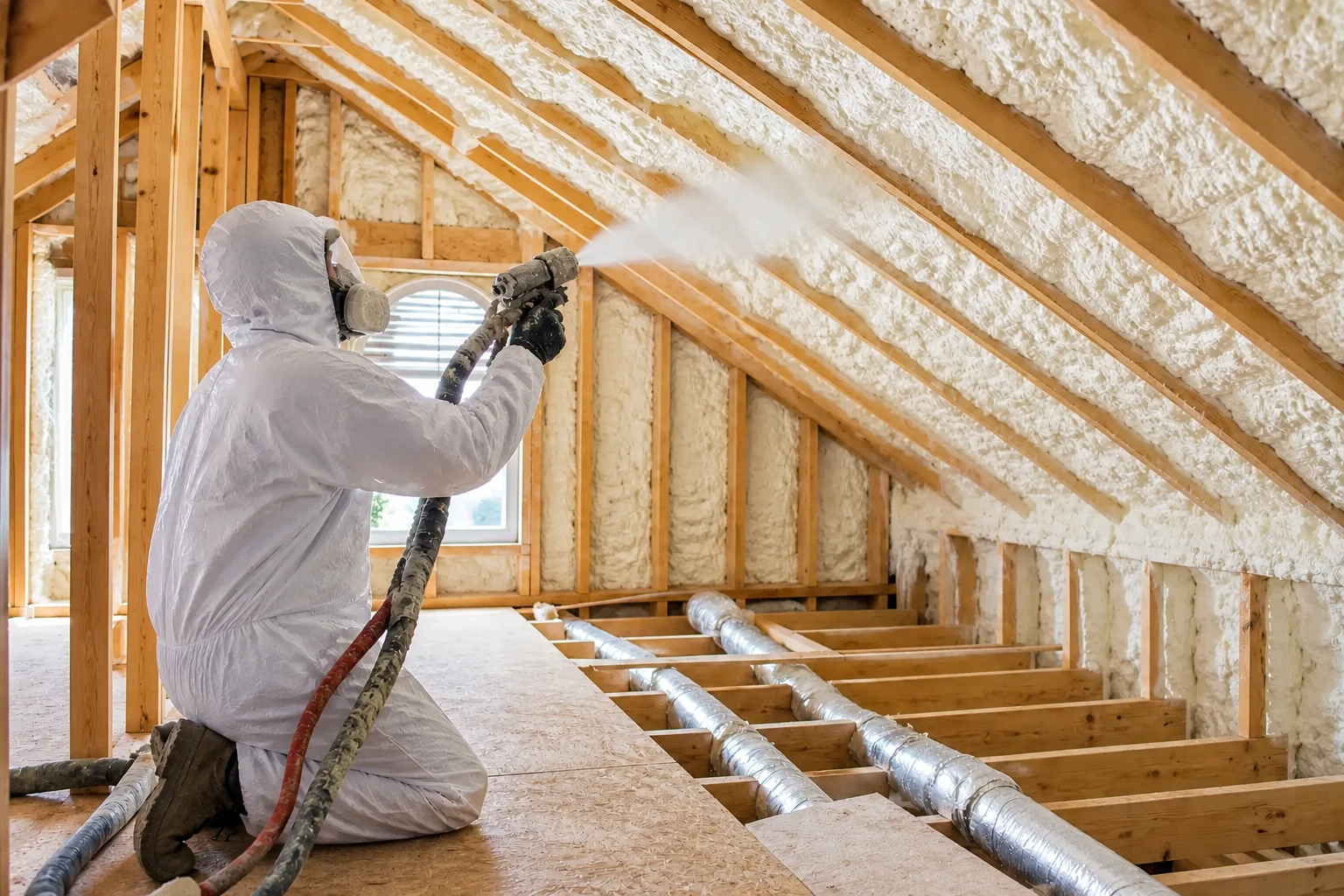
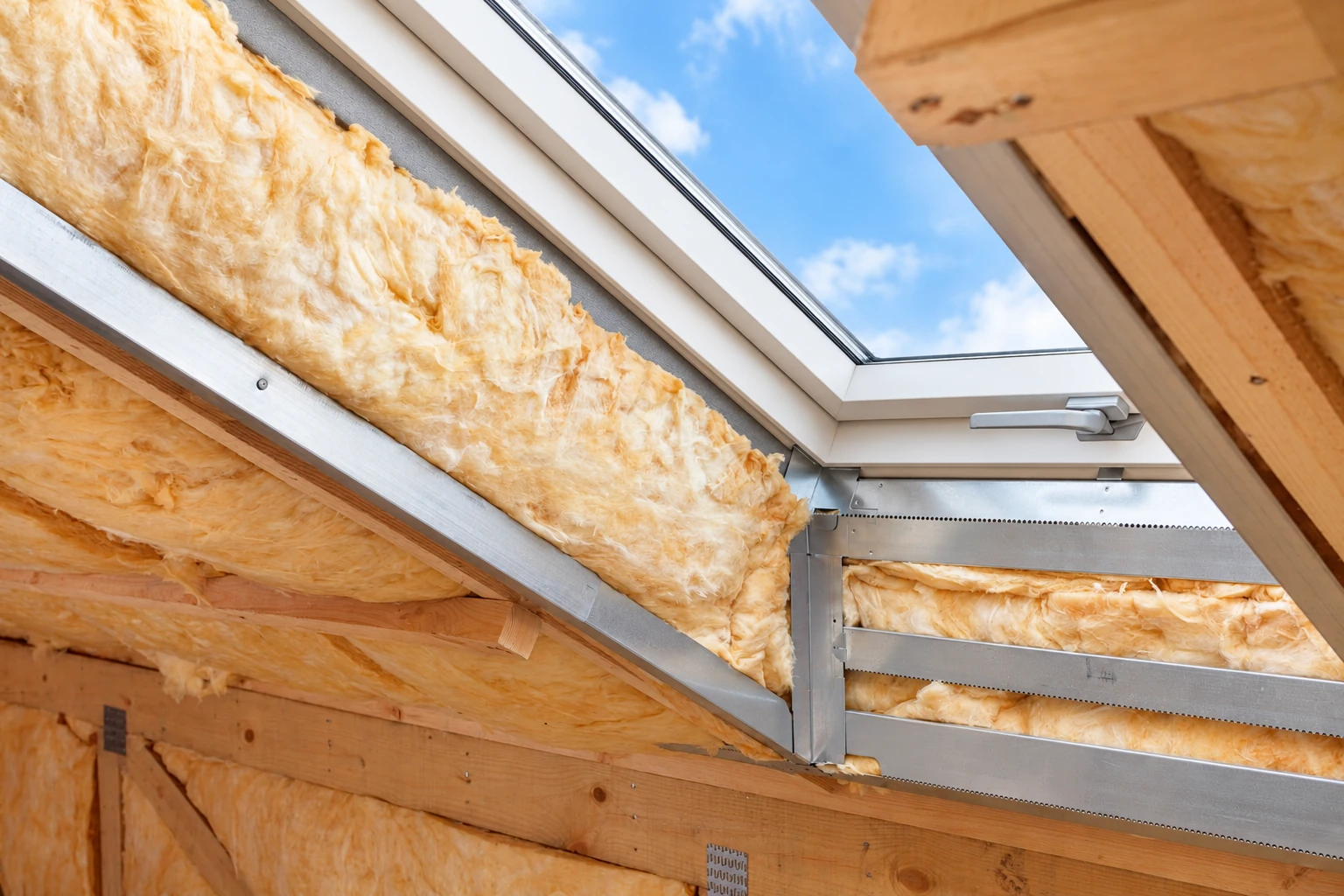
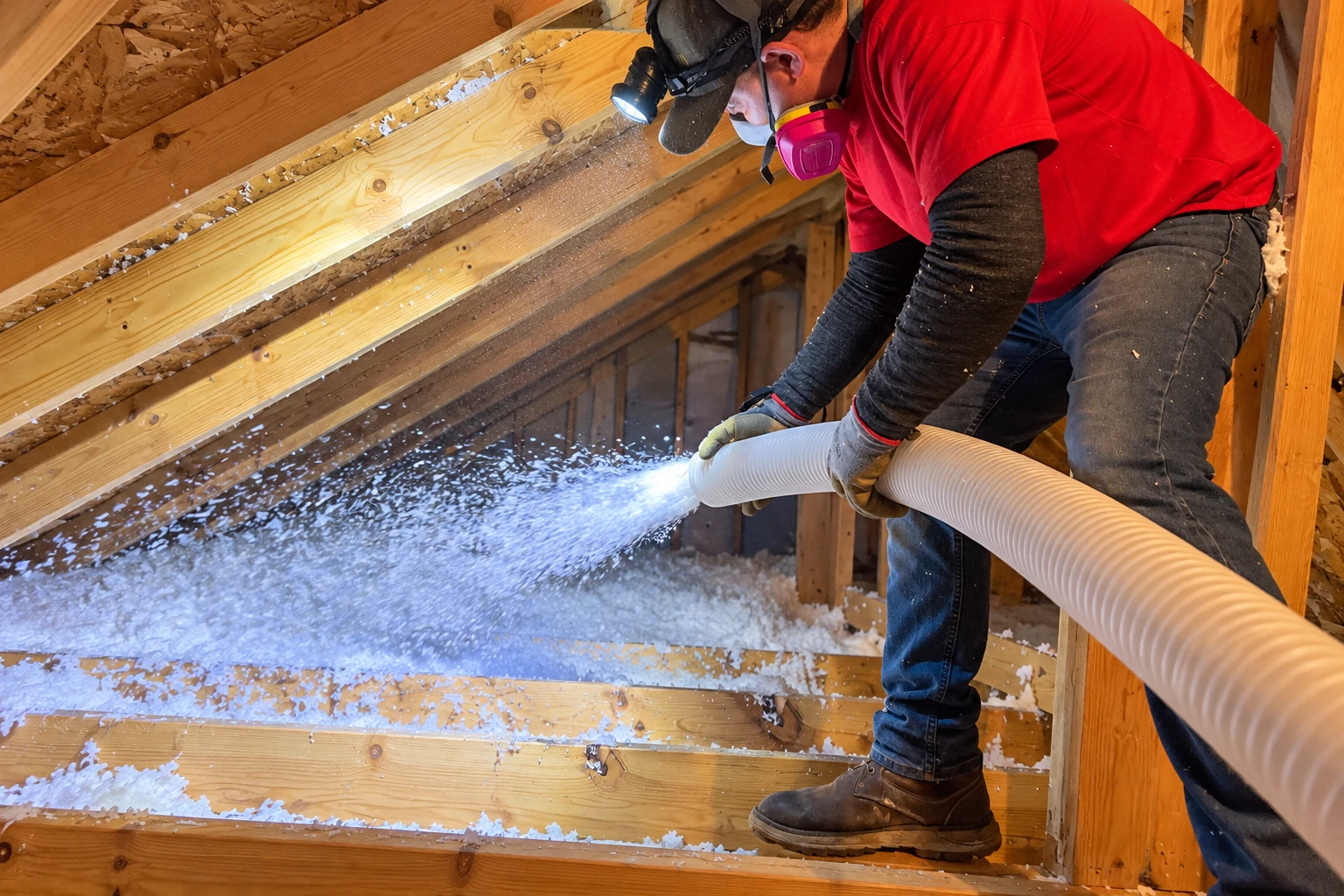
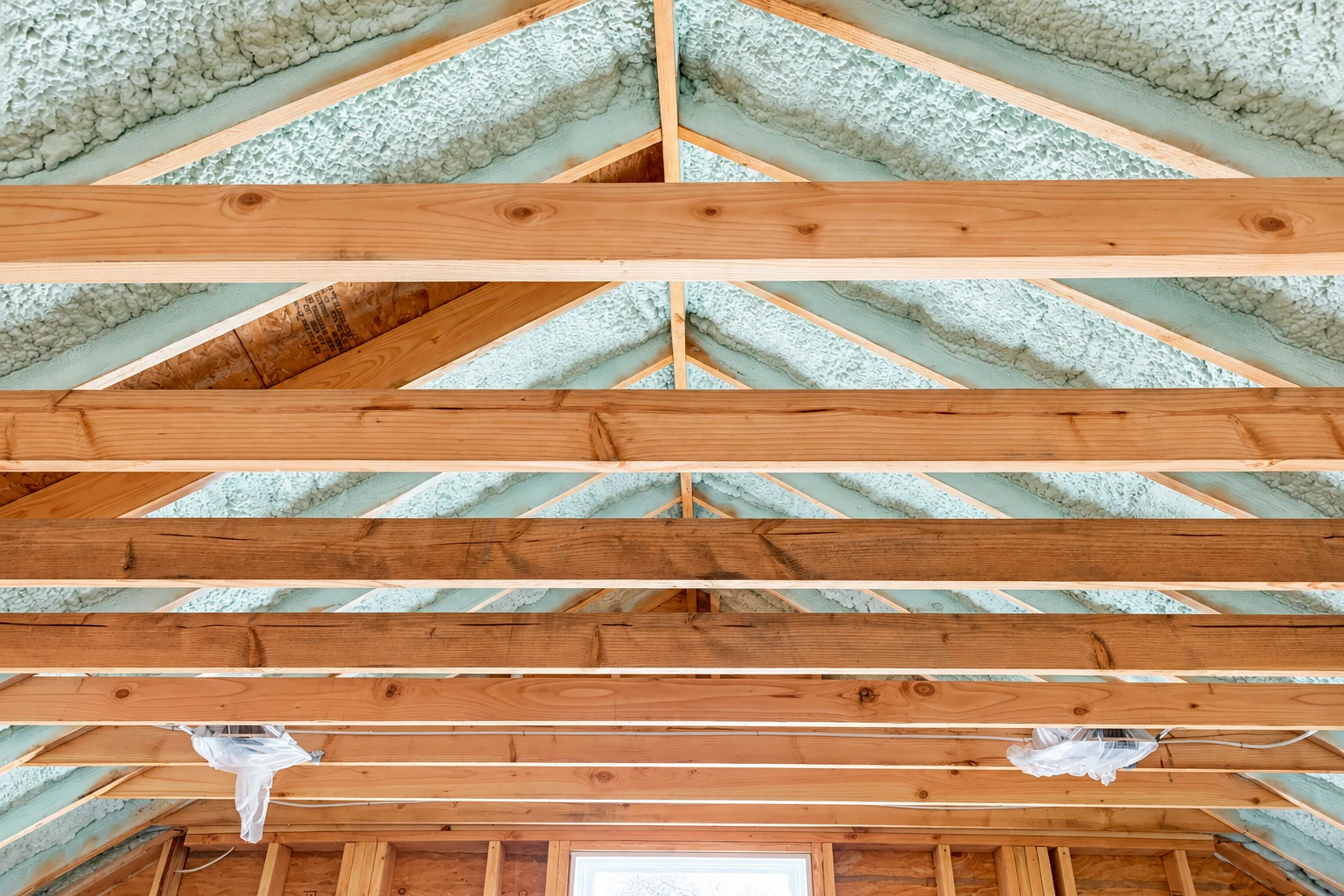
Recessed lights get extra attention. Older cans that aren't ICAT-rated, the label for fixtures safe against insulation and airtight, are a fire hazard when insulation touches them. A fire-rated cover can box each one in, but a new ICAT fixture is usually the better choice, and we talk through both with you before work starts. If you're adding insulation too, sealing the gaps and topping up loose fill through retrofit insulation usually wins. Spray foam insulation seals while it insulates but costs more, so I recommend it mainly when your ductwork runs through the attic.
When an existing vented attic gets new insulation, the attic floor gets sealed first, because the gaps are easiest to reach before fresh material covers them. Plan both as one project.
A room that runs hot while the rest of the house is fine often sits under a ceiling full of gaps. Sealing them keeps attic heat where it belongs.
Every rewire, new fan or plumbing job over the years can leave another hole in the ceiling. Older houses usually have the most of them, so sealing tends to matter more there.
Landlords and property managers call us when a unit sits empty, because the attic is easy to work in and problems get found before the next tenant moves in.
Send the form and we'll get back to you within one business day to set a time. I come out, look in the attic and leave you photos and a free written estimate, with no obligation.
I look at the job and write the estimate, so the person explaining your price is the same person who was up in your attic looking at it.
You get pictures with the estimate, so you understand your own attic, can weigh the choices now and can spot a bad suggestion later from anyone.
Our installers do the work, and I go over it with you before we call it done, so you know what was sealed and what was left open on purpose.
These sample photos show sealed wire holes, light covers, foam around pipes and open eave vents, the kinds of details we can go over together.
Straight answers to what Pico Rivera homeowners ask before attic air sealing, from what gets fixed first to permits, licenses and price.
Active knob and tube wiring, the old cloth-wrapped kind on porcelain knobs, comes first, along with vermiculite insulation, bathroom fans venting into the attic, a roof leak and any unvented kerosene heater or gas fireplace. Sealing over those hides the problem instead of fixing it. If I find one, you'll see it in the photos and we'll talk about who should handle it.
You might, if a gas or oil appliance that vents by natural draft, relying on rising hot air, has no outside air supply, because the guidance calls for a qualified mechanical or plumbing contractor to add one. It also calls for carbon monoxide detectors in homes with fuel-burning appliances. Plan for that work alongside the sealing, and I'll point out what I see.
In the Los Angeles area, a budget attic insulation job with blown-in fiberglass, loose fill blown through a hose, plus air sealing at the obvious gaps usually runs about $1,200 to $1,500 per job. That's what the work usually costs around here, not a price for sealing alone and not our quote. Your own figure comes in the free written estimate.
Ask before you start, because the city's Building Division issues permits at its counter and its list names jobs like water heater change-outs and electrical upgrades, not attic air sealing. Before work starts, we check with the building office that covers your address, city or county, and if the job calls for a permit we handle the paperwork and inspections.
A licensed contractor, unless the job fits California's minor work exemption, which has a $1,000 limit and only covers jobs that need no permit, done by someone who employs no one. A job done by a crew falls outside that, so it calls for a license. We're fully licensed and insured.
Call (562) 271-1051 any day, 7 AM to 11 PM, with a note on your recessed lights, gas appliances, bath fans and any roof leaks.